
Hockey is a fast-paced, thrilling sport that captivates millions. But have you ever wondered about the structure of the game? How many periods in hockey dictate its rhythm and flow? Whether you’re a seasoned fan or just getting into the action, understanding these segments can enhance your viewing experience. Join us as we break down what makes each period unique and how they shape player strategies and game outcomes. Dive into the world of hockey with us!
Understanding the Game: How Many Periods Are There in Hockey?
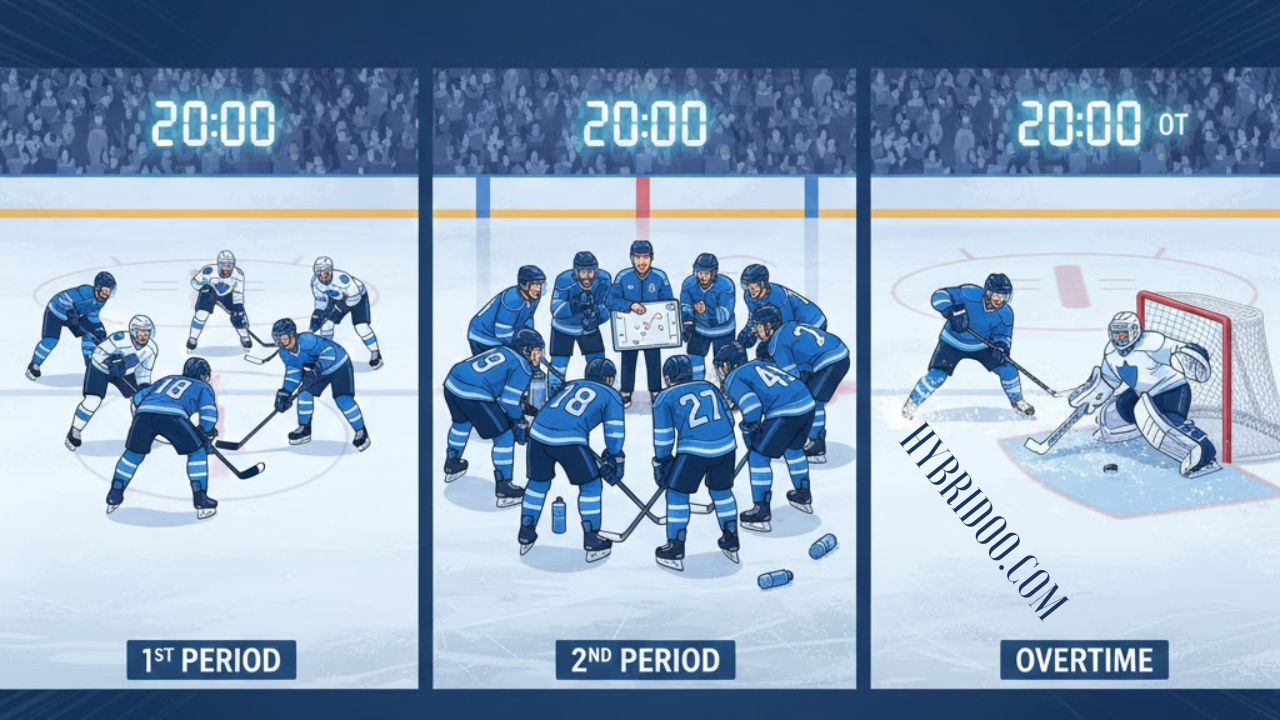
Hockey is typically played in three distinct periods. Each period lasts 20 minutes, creating a total game time of 60 minutes. This structure is part of what makes hockey so exciting and unpredictable.
Unlike other sports that might have halves or quarters, these three segments allow teams to regroup and strategize frequently. Coaches can adjust their tactics based on how the game unfolds during each period.
Fans eagerly anticipate the intensity that builds as players battle for supremacy on the ice. The clock ticking down adds to the suspense, making every second count in this exhilarating sport.
The Structure of the Game
Hockey is an exhilarating sport structured around a specific framework. It consists of three periods, each designed to keep players and fans on their toes. This format leads to an intense atmosphere, where every second counts.
Each period allows teams to showcase their strategies and skills while battling for supremacy on the ice. The break between periods offers coaches a chance to regroup, adjust tactics, and motivate players for the next round.
The rhythm of these periods builds excitement as momentum shifts can occur in just moments. Whether it’s a swift goal or a crucial penalty, the structure keeps everyone engaged from puck drop to final buzzer. Each game unfolds like a thrilling story waiting for its climax!
Duration of Periods and Intermissions
Each hockey game is divided into three distinct periods. In the NHL, each period lasts for 20 minutes of actual playtime. But here’s the twist: that clock runs only when the puck is in motion. When play stops for any reason, like a player getting injured or a penalty being called, the timer pauses.
Now, what happens between these intense bursts of action? Enter intermissions! After each period comes a break lasting about 15 to 18 minutes. This gives players time to regroup and strategize while fans can indulge in snacks or stretch their legs.
These intermissions are not just filler; they’re critical moments where momentum can shift dramatically based on what teams discuss and how well they recharge before hitting the ice again.
Impact of Periods on Player Strategy
The structure of periods in hockey significantly influences player strategy. With three distinct segments, teams must adapt their tactics as the game progresses. The first period often focuses on establishing momentum and testing opponents’ weaknesses.
As the clock ticks down to the end of each period, players shift into high gear. They become more aggressive, trying to score before intermission ends. This urgency creates exciting plays that keep fans on edge.
Coaches also play a crucial role in adjusting strategies between periods. They analyze performance and capitalize on opportunities for improvement or exploitation based on the game’s flow. The interplay of time and tactics makes hockey a thrilling sport to watch and understand!
Overtime and Sudden Death
Overtime in hockey is a thrilling twist that adds extra excitement to the game. When teams are tied after three periods, they enter this intense phase. Fans hold their breath as every second counts.
In most leagues, overtime features a sudden death format. The first team to score wins the game instantly. This creates an electrifying atmosphere where players push their limits, knowing one moment can change everything.
Strategies shift dramatically during this time. Teams often adopt more aggressive tactics while trying to secure that elusive goal. Goalies become heroes or villains in these high-stakes moments, making spectacular saves or facing nail-biting shots from determined opponents.
Shootouts and Tiebreakers
When a hockey game ends in a tie after regulation and overtime, the excitement isn’t over. Enter the shootout, a thrilling spectacle that keeps fans on the edge of their seats. Each team selects three players to take penalty shots against the opposing goalie.
What makes shootouts so fascinating? It’s all about skill under pressure. Players showcase their best moves, aiming to outsmart goalies while fans hold their breath with every shot taken.
If teams remain tied after these initial attempts, it gets even more intense! The format shifts to sudden death—a single round where any scored goal wins the match. This high-stakes moment can turn heroes into legends instantly!
Penalties and Power Plays
Penalties in hockey can be a game-changer. When players commit infractions like tripping or slashing, they often find themselves sitting in the penalty box. This gives the opposing team a chance to capitalize on their absence.
During these moments, teams enter what’s known as a power play. With one player sidelined, the opposing team has an extra skater on the ice, creating exciting scoring opportunities. Fans love this intense shift in momentum.
But it’s not just about having more players; strategy plays a crucial role here. Coaches design specific formations and plays to maximize their chances of scoring while shorthanded teams focus on defensive tactics to withstand the pressure. Each moment is filled with anticipation!
Special Game Conditions
Hockey can be full of surprises, especially when special game conditions come into play. Imagine a blizzard sweeping through the arena or unexpected equipment failures during an intense match—these unique situations can alter how the game unfolds.
Sometimes, games are played under specific circumstances like outdoor rinks or tournament formats that affect rules and periods. For example, international competitions may use different lengths for each period compared to NHL standards.
Then there are playoff scenarios where every second counts more than usual. The intensity ramps up as teams battle for survival in their quest for victory. These unique elements make hockey even more exhilarating and unpredictable!
Conclusion
Hockey is a dynamic sport with intricate rules and structures. Understanding how many periods are in hockey can enhance your viewing experience, but it’s just the tip of the iceberg. The strategic elements that come into play during these periods create an exciting atmosphere you won’t want to miss.
Have you ever wondered how teams adjust their strategies as time ticks away? Or what happens when games extend beyond regulation? There’s so much more beneath the surface of those three periods. The unique conditions like penalties, power plays, and overtime add layers to this thrilling game.
Next time you watch a match, pay attention to not only how many periods there are but also how they influence gameplay. You might find yourself appreciating every moment even more!