
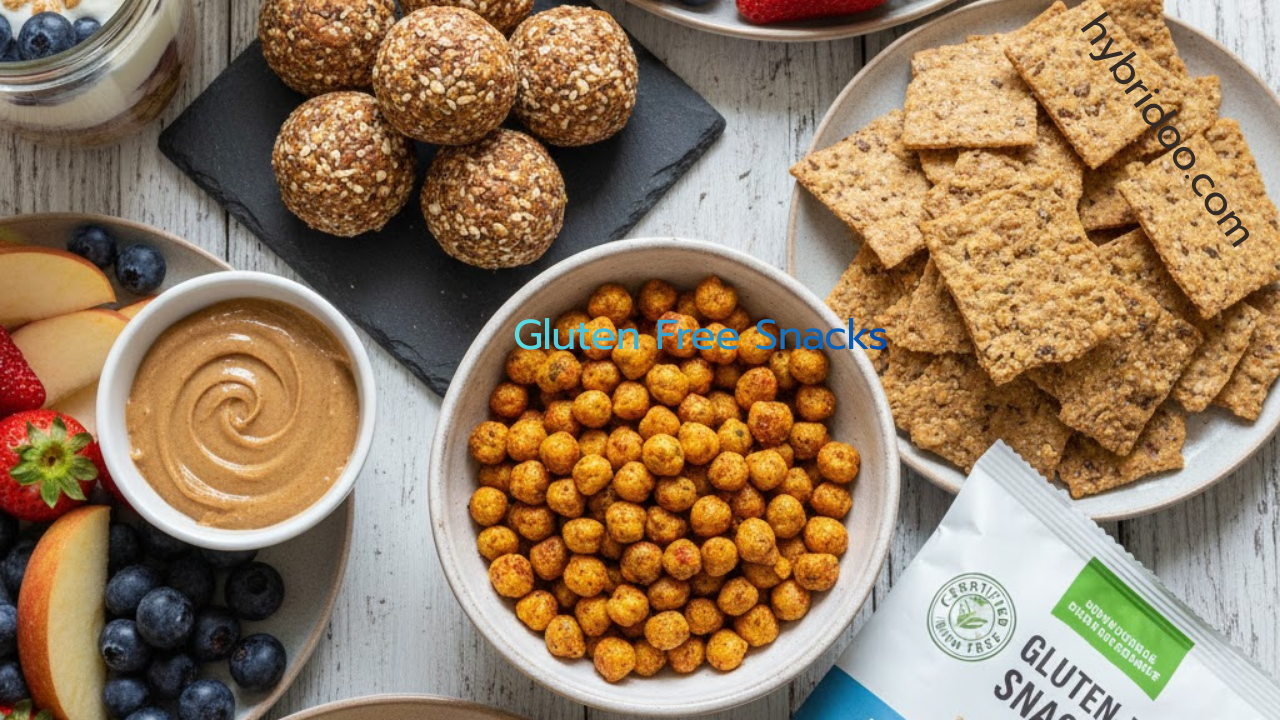
The world of gluten-free snacks has transformed. No longer defined by dry, crumbly alternatives, today’s market is bursting with delicious, innovative, and nutritious options for everyone—whether you’re managing celiac disease, gluten sensitivity, or simply exploring a new way of eating. With the global gluten-free food market valued at over $7 billion and projected for continued strong growth, the availability and quality of products have never been better.
This guide will walk you through everything you need to know about smart gluten-free snacking, from understanding the “why” behind the diet to discovering the best store-bought finds and easy homemade recipes.
Understanding Gluten and Who Needs to Avoid It
Gluten is a family of proteins found in grains like wheat, barley, rye, and triticale. It acts as a binder, giving bread and baked goods their stretchy, chewy texture.
For most people, gluten is harmless. However, for a significant portion of the population, consuming it leads to health issues:
-
Celiac Disease: An autoimmune disorder where gluten ingestion damages the lining of the small intestine, impairing nutrient absorption.
-
Non-Celiac Gluten Sensitivity: Causes symptoms similar to celiac disease (like bloating, headache, and fatigue) without the intestinal damage.
-
Wheat Allergy: An allergic reaction to proteins in wheat, which requires avoiding wheat but not necessarily barley or rye.
Beyond medical necessity, many choose a gluten-free diet for perceived benefits like improved energy or digestive wellness, though more research is needed in this area. Regardless of the reason, the foundational rule is the same: strictly avoid gluten-containing grains and seek out certified gluten-free products to prevent cross-contamination.
The Art of a Healthy Gluten-Free Snack
Snacking gets a bad rap, but when done right, it’s a powerful tool for maintaining energy, focus, and overall nutrition. The key is to think of snacks as mini meals designed to fuel your body.
A balanced gluten-free snack should pair macronutrients to promote satiety and stable blood sugar. Aim for a combination of:
-
Fiber: Supports digestion and prolongs fullness. Look for it in fruits, vegetables, nuts, seeds, and gluten-free whole grains like quinoa and buckwheat.
-
Protein: Essential for muscle repair and sustained energy. Great sources include nuts, seeds, legumes, eggs, dairy (if tolerated), and lean meats.
-
Healthy Fats: Provides long-lasting energy and helps absorb vitamins. Find them in avocado, olive oil, nuts, and seeds.
This balanced approach turns a simple bite into a strategic part of your healthful diet.
Top-Tier Gluten-Free Store-Bought Snacks
Thanks to booming demand, supermarket shelves are stocked with fantastic gluten-free options. Here are some standout categories and products, based on detailed reviews and market trends.
Savory & Satisfying
-
Crackers & Chips: Innovation is thriving here. Brands are using bases like buckwheat, cassava, and even green banana flour to create flavorful, sturdy crackers perfect for cheese boards or soup. Look for Maine Crisp buckwheat crackers or Craize corn crackers for exceptional taste and clean ingredients.
-
Crunchy Legumes: For a protein-packed crunch, crispy chickpeas from brands like Saffron Road are a favorite. They come in various flavors, from mild to spicy.
-
Pretzels & Bagel Chips: You don’t have to miss out on these classic shapes. Savor By Suzie offers excellent gluten-free pretzels, and The Greater Knead makes deliciously crunchy bagel chips.
Sweet & Wholesome
-
Cookies & Bars: The quality leap here is remarkable. Brands like Mom’s Munchies and Outside the Breadbox offer cookies that rival their gluten-filled counterparts in flavor and texture. For a functional sweet treat, Mid-Day Squares combine chocolatey flavor with added protein and fiber.
-
Granola: A reliable snack staple. Brands like Purely Elizabeth and Michele’s offer certified gluten-free granolas made with oats, seeds, and ancient grains that are far from the sugary “boulders” of the past.
-
Fruit Snacks: For a pure, sweet bite, seek out brands like Peaceful Fruits, which make chews and tapes from 100% fruit with no added sugars or dyes.
Table: Gluten-Free Snack Categories and Brand Examples
| Category | What to Look For | Example Brands |
|---|---|---|
| Savory Crackers | Buckwheat, seed-based, cassava | Maine Crisp, Craize, Better With Buckwheat |
| Sweet Treats | Clean ingredients, almond/coconut flour | Mom’s Munchies, Real Cookies, Emmy’s Organics |
| On-the-Go Bars/Bites | High protein/fiber, low added sugar | Mid-Day Squares, Bobo’s Oat Bites, Midi Bites |
| Classic Snacks | Certified GF to avoid cross-contamination | Savor By Suzie (Pretzels), The Greater Knead (Bagel Chips) |
Simple & Delicious Homemade Gluten-Free Snack Ideas
Creating snacks at home gives you complete control over ingredients and is often more economical. Here are some easy, nutrient-dense ideas:
-
Apple or Celery with Nut Butter: A timeless combo. Slice an apple and pair it with almond or peanut butter, or fill celery stalks for a satisfying crunch.
-
Veggies and Dip: Cut up bell peppers, carrots, and cucumber and dip them in homemade hummus, guacamole, or a herbed feta dip.
-
Energy Balls: No baking required. Blend dates, nuts, cocoa powder, and gluten-free oats in a food processor, roll into balls, and chill.
-
Spiced Nuts & Seeds: Toss raw walnuts or pumpkin seeds with olive oil, rosemary, and a pinch of salt, then roast until fragrant.
-
Yogurt Parfait: Layer plain yogurt with fresh berries, gluten-free granola, and a drizzle of honey.
-
Homemade Popcorn: Air-pop popcorn and season with nutritional yeast, chili powder, or a dash of cinnamon and sugar for kettle corn.
Navigating Labels and Avoiding Hidden Gluten
Vigilance with labels is non-negotiable, especially for those with celiac disease. In the U.S., a product labeled “gluten-free” must contain less than 20 parts per million of gluten, a threshold considered safe for most with celiac disease.
Always read the full ingredient list. Be wary of terms like malt (usually from barley), soy sauce (unless specified as gluten-free), and modified food starch (if source isn’t specified). Additionally, look for certification seals from organizations like the Gluten-Free Certification Organization (GFCO), which often have stricter standards.
Cross-contamination is a critical risk. This can occur in facilities that also process wheat, or even in your own kitchen through shared toasters, condiment jars, or cooking utensils. At home, dedicate separate equipment and cleaning practices for gluten-free food prep.
The Future of Gluten-Free Snacking
The industry is rapidly evolving beyond just removing gluten. The biggest trends shaping the future include:
-
Functional Nutrition: Consumers now want snacks that are not just gluten-free but also high in protein, fiber, and gut-friendly ingredients.
-
Ingredient Innovation: Ancient, nutrient-dense grains like sorghum, teff, and amaranth are being rediscovered as gluten-free powerhouses.
-
Clean Labels & Value: There’s a strong push for simpler ingredients and more competitive pricing as private-label brands improve in quality.
-
Dietary Convergence: Products that are gluten-free, dairy-free, and plant-based are meeting multiple dietary needs at once.
Your Gluten-Free Snacking Journey Starts Now
Embracing a gluten-free lifestyle, whether by choice or necessity, no longer means sacrificing flavor or convenience. From sophisticated store-bought crackers to quick and wholesome homemade bites, the options for delicious, safe, and nutritious snacking are truly abundant.
We’d love to hear from you! What’s your all-time favorite gluten-free snack discovery? Do you have a go-to homemade recipe that never fails? Share your tips and finds in the comments below to help build a community resource for everyone exploring the world of gluten-free living.