
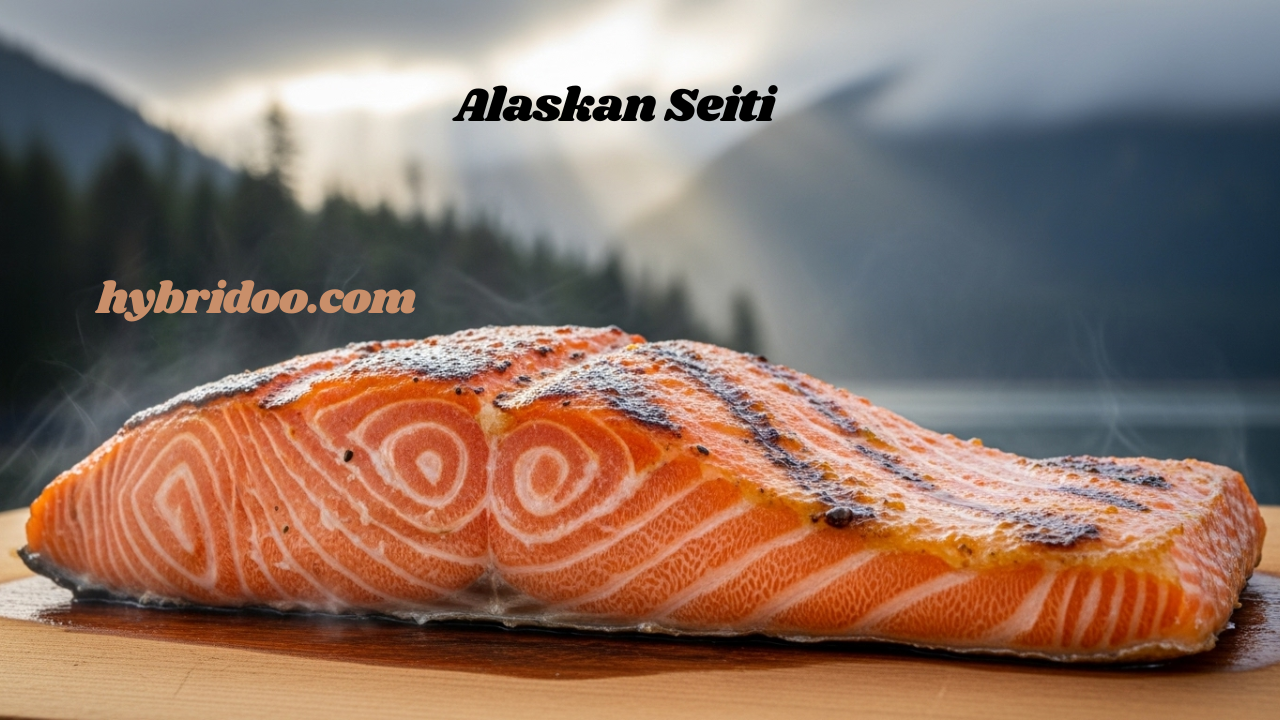
For centuries, the icy, pristine waters of Alaska have nurtured one of the planet’s most vital and majestic natural lifecycles: the great salmon run. Among the five Pacific salmon species, one stands out not for its size at maturity, but for its profound nutritional legacy and culinary versatility. It’s known by many names—keta, chum, dog salmon—but in the heart of its most esteemed harvest, it carries a name that speaks to tradition and purity: Alaskan Seiti. This isn’t just another salmon; it’s a testament to sustainable bounty, a nutritional powerhouse often overshadowed by its famous cousins. This article dives deep into the world of Alaskan Seiti salmon, exploring its unique identity, unparalleled benefits, and how to bring this Alaskan treasure to your table.
What is Alaskan Seiti Salmon?
Let’s first demystify the name. “Seiti” (pronounced say-ee-tee) is a term primarily used by one of Alaska’s leading and most respected sustainable seafood companies, Seafood Producers Cooperative (SPC), based in Sitka. It refers specifically to their premium harvest of Chum Salmon (Oncorhynchus keta) caught in the wild waters of Southeast Alaska.
The choice to use “Seiti” is deliberate. It moves the product away from the less glamorous moniker “chum” or “keta” and positions it on its own merits. SPC’s Alaskan Seiti is renowned for its exceptional handling practices—salmon are caught, bled, and iced immediately upon harvest, a process that preserves the pristine quality, firm texture, and mild flavor of the fish. This isn’t an industrial bycatch; it’s a carefully curated product from some of the most well-managed fisheries in the world.
The Lifecycle: A Journey of Strength
Alaskan Seiti salmon begin their life in freshwater streams before migrating to the ocean. They spend 3-4 years maturing in the North Pacific, building strength and nutrient density from a rich, natural diet. Their return to their natal streams to spawn is the completion of an epic journey, and it is during this return that they are harvested at the peak of their ocean life, ensuring optimal fat content and flavor.
Why Alaskan Seiti Deserves a Spot on Your Plate
While King (Chinook) and Sockeye salmon often steal the spotlight, here’s why the discerning eater and health-conscious consumer should pay attention to Alaskan Seiti.
1. A Nutritional Powerhouse
All wild Alaskan salmon are rich in omega-3 fatty acids (EPA and DHA), high-quality protein, and essential vitamins. Alaskan Seiti holds its own with a impressive nutritional profile:
-
High in Protein, Leaner in Fat: Compared to King salmon, Seiti has a firmer texture and a lower fat content, making it an excellent choice for those seeking a high-protein, leaner option. This doesn’t mean it lacks omega-3s; it provides a substantial amount in a less calorically dense package.
-
Rich in Antioxidants: Wild salmon, including Alaskan Seiti, are a prime source of astaxanthin, a potent antioxidant that gives the flesh its reddish-pink hue. This compound supports skin health, reduces inflammation, and boosts the immune system.
-
Packed with Essential Nutrients: It is a fantastic source of Vitamin B12, Vitamin D, selenium, and niacin, supporting everything from neurological function to bone health.
2. The Gold Standard in Sustainability
Sustainability isn’t just a buzzword in Alaska; it’s a constitutional mandate. Alaskan fisheries are managed for long-term health, not short-term gain.
-
Wild & Sustainable: Every Alaskan Seiti salmon is wild-caught. There are no ocean pen farms in Alaska, preventing the pollution, disease, and ecological damage associated with aquaculture.
-
Science-Based Management: The Alaska Department of Fish and Game uses in-season, real-time data to set strict harvest limits, ensuring escapement goals are met so that plenty of fish return to spawn, guaranteeing future runs.
-
MSC Certification: Many fisheries supplying Alaskan Seiti are Marine Stewardship Council (MSC) certified, the global benchmark for sustainable wild seafood.
3. Mild Flavor and Supreme Versatility
This is where Alaskan Seiti truly shines for home cooks. Its flavor is often described as milder and more delicate than richer salmon species. It has a clean, classic “salmon” taste without an overpowering fishiness. Its firm, large-flaked texture holds up beautifully to a variety of cooking methods, making it incredibly versatile:
-
Grilling and Broiling: Its firmness means it won’t fall apart on the grill.
-
Baking and Roasting: Perfect for simple herb-crusted preparations or sheet-pan dinners.
-
Poaching: Results in a tender, moist fillet ideal for salads.
-
Raw Applications: When handled with the extreme care of a brand like SPC (sushi-grade), it is exceptional for sashimi, poké bowls, or ceviche.
How to Source and Prepare Alaskan Seiti Salmon
Finding true Alaskan Seiti means looking for trusted sources. The term is proprietary to SPC, so seeking out brands or retailers that feature their products is key. Many online sustainable seafood suppliers carry it, especially during the summer harvest season (typically June through September). Look for clear labeling: “Wild Alaskan Seiti Salmon,” often noting its origin in Sitka or Southeast Alaska.
Cooking Tips for Perfect Results
-
Don’t Overcook It: This is the cardinal rule for all salmon. Alaskan Seiti is best when cooked to a medium (130°F to 135°F internal temperature). It will continue to cook after removed from heat. The flesh should be opaque and flake easily.
-
Season Simply: Let the natural flavor of the fish be the star. A sprinkle of sea salt, fresh cracked pepper, a drizzle of olive oil, and a squeeze of lemon is often all you need.
-
Skin-On is Your Friend: Cooking fillets skin-side down on a hot skillet or grill creates a delicious, crispy barrier that protects the delicate flesh and makes flipping easier.
A Simple Recipe to Showcase Alaskan Seiti: Pan-Seared with Lemon-Herb Butter
Experience the quality of Alaskan Seiti with this straightforward, elegant recipe.
Ingredients:
-
2 Alaskan Seiti salmon fillets (6-8 oz each), skin-on
-
Salt and freshly ground black pepper
-
1 tbsp high-heat oil (avocado or grapeseed)
-
2 tbsp unsalted butter
-
2 cloves garlic, minced
-
Zest and juice of 1/2 lemon
-
2 tbsp fresh parsley, chopped
-
1 tsp fresh dill, chopped
Instructions:
-
Pat the Alaskan Seiti fillets completely dry with a paper towel. Season generously on all sides with salt and pepper.
-
Heat the oil in a heavy skillet (cast iron is ideal) over medium-high heat until shimmering.
-
Place the fillets skin-side down in the skillet. Press gently for a few seconds to ensure even contact. Cook undisturbed for 4-5 minutes, until the skin is very crispy and the flesh is cooked about two-thirds of the way up.
-
Carefully flip the fillets. Add the butter to the pan. Cook for another 2-3 minutes, basting the fillets constantly with the melted butter using a spoon.
-
In the last 30 seconds, add the minced garlic, lemon zest, and herbs to the butter, swirling to combine. Immediately remove the pan from heat.
-
Transfer the salmon to plates. Add the lemon juice to the pan butter, swirl, and pour the lemon-herb butter sauce over the fillets. Serve immediately.
The Bottom Line: A Choice for Health, Palate, and Planet
Choosing Alaskan Seiti salmon is a multifaceted decision. You are selecting a product that supports your health with lean protein and essential fats. You are treating your palate to a clean, versatile, and delicious seafood experience. Most importantly, you are casting a vote for a food system that prioritizes the environment. You are supporting the fishermen of Southeast Alaska, rigorous science-based management, and the enduring health of our oceans.
In a world of confusing food labels and ecological concerns, Alaskan Seiti stands out as a transparent, responsible, and profoundly nutritious choice. It’s time this unsung hero of the North received its due recognition.