
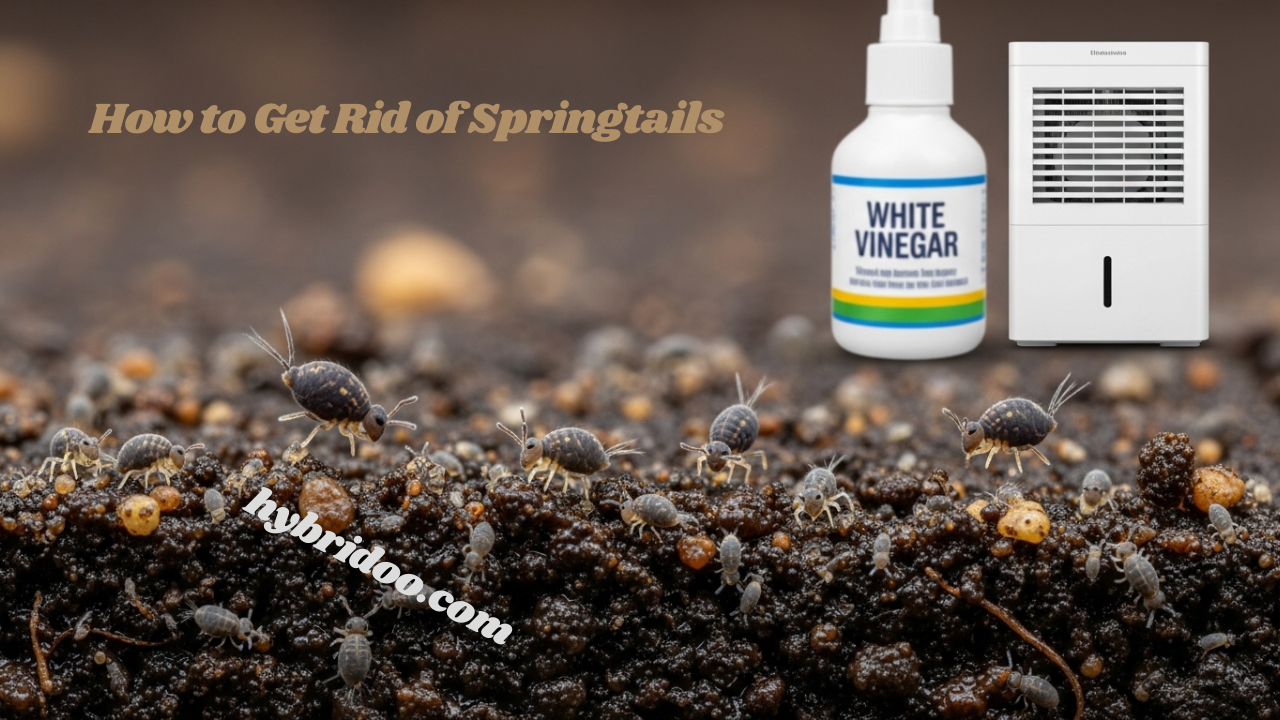
If you’ve spotted tiny, jumping insects in your sink, bathtub, or around moist soil in your houseplants, you’ve likely encountered springtails. While harmless to humans and pets, these minute pests can be unsettling and indicate excess moisture in your home. This comprehensive, 1500-word guide will walk you through how to get rid of springtails using proven, effective methods—focusing on natural solutions and addressing the root causes of your infestation.
What Are Springtails?
Before we dive into elimination, let’s identify the enemy. Springtails (Collembola) are not insects; they are tiny, wingless arthropods, usually less than 1/16th of an inch long. Their most distinctive feature is a forked appendage (the furcula) tucked under their abdomen. When released, it snaps down, allowing them to “spring” or jump several inches—hence their name.
They thrive in damp, humid environments with abundant organic matter, such as soil, leaf litter, and mulch. Indoors, they are attracted to moisture and can often be found in bathrooms, kitchens, basements, and around leaky pipes or overwatered houseplants.
Why Do I Suddenly Have Springtails?
This is a critical first question. A sudden appearance of springtails is almost always a symptom of a moisture problem. They don’t infest dry, well-ventilated spaces. Here are the most common reasons for a springtail invasion:
-
Excess Moisture: This is the number one attractant. Persistent dampness from leaks, condensation, poor ventilation, or recent flooding creates an ideal habitat.
-
High Humidity: Homes in naturally humid climates or with poor dehumidification can become hospitable.
-
Organic Debris: They feed on mold, fungi, algae, and decaying plant matter. Overwatered houseplants, moldy shower grout, or damp woodpiles are prime targets.
-
Seasonal Changes: They often become more noticeable in early spring (hence the name) or during periods of heavy, sustained rain as their outdoor habitats become saturated, driving them to seek drier shelter—which sometimes ends up being your home.
-
Accidental Introduction: They can hitch a ride indoors via potted plants, fresh firewood, or even on damp gardening tools.
Understanding the “why” is the first step toward a permanent solution. Pest control is not just about killing what you see; it’s about making your environment inhospitable for their return.
Step-by-Step: How to Get Rid of Springtails Naturally
Chemical pesticides are often unnecessary and ineffective against springtails because they don’t target the source. The following natural, integrated approach is more sustainable and safer for your family and pets.
Phase 1: Inspection and Identification
-
Locate the Source: Grab a flashlight and inspect areas of high moisture. Check under sinks, around toilet bases, in basement corners, window sills, and the soil of all houseplants.
-
Confirm the Pest: Ensure they are springtails. They will jump erratically when disturbed. If they don’t jump, you may be dealing with another pest, like fleas or booklice.
Phase 2: Immediate Reduction and Natural Remedies
For visible clusters, you can use several safe, natural substances to reduce numbers quickly.
-
Vinegar Solution: A popular question is, “Does vinegar keep away springtails?” Yes, it can. The acetic acid in vinegar disrupts their nervous system and can kill them on contact.
-
How to use it: Mix equal parts white vinegar and water in a spray bottle. Spray directly onto springtails you see on surfaces, in showers, or around windows. Important: Vinegar is a temporary knockdown solution, not a long-term fix. It does not address the moisture source. Also, test on surfaces first, as vinegar can damage some stones and finishes.
-
-
Diatomaceous Earth (DE): This is a powerhouse natural insecticide. Food-grade DE is a fine powder made from fossilized algae. Its microscopic sharp edges pierce the waxy outer layer of springtails, causing them to dehydrate and die.
-
How to use it: Lightly dust DE in dry areas where you’ve seen activity: along baseboards, under appliances, and in crawl spaces. Crucial: DE only works when dry. Reapply if it gets damp. Wear a mask during application to avoid inhalation.
-
-
Soap and Water: A simple mixture of dish soap and water can suffocate springtails by breaking down their protective coating.
-
How to use it: Add a few tablespoons of liquid dish soap to a spray bottle filled with water. Spray directly on pests.
-
Phase 3: The Crucial Step – Moisture Control and Elimination
This is the most important part of getting rid of springtails for good. Without moisture, they cannot survive.
-
Fix Leaks: Repair any leaky faucets, pipes, or faulty appliances immediately.
-
Improve Ventilation: Use exhaust fans in bathrooms and kitchens. Ensure your attic and crawl spaces are properly vented. Open windows when weather permits.
-
Use a Dehumidifier: This is a game-changer, especially for basements, bathrooms, and other damp areas. Aim to keep indoor humidity below 50%.
-
Address Water Intrusion: Check for and seal cracks in your foundation where moisture can seep in. Ensure gutters and downspouts direct water away from your home’s perimeter.
-
Adjust Watering Habits: Let the soil of your houseplants dry out completely between waterings. Remove any saucers that hold standing water. Consider using a soil moisture meter.
Phase 4: Sanitation and Exclusion
-
Clean Thoroughly: Use a vinegar or mild bleach solution (1 part bleach to 10 parts water) to scrub away mold and mildew from shower tiles, grout, and sink overflows—their food sources.
-
Remove Organic Debris: Clear leaf litter, mulch, and woodpiles from directly against your home’s foundation. Store firewood off the ground and away from the house.
-
Seal Entry Points: Caulk gaps around windows, doors, and where utility pipes enter your home. Install door sweeps.
How Long Until Springtails Go Away?
Patience is key. The timeline for getting rid of springtails depends entirely on the severity of the moisture problem and how diligently you implement the steps above.
-
With Aggressive Action: If you tackle moisture sources immediately (fixing a major leak, running a dehumidifier 24/7), you can see a dramatic reduction in visible springtails within 24-48 hours. They will dehydrate and die without their humid environment.
-
Moderate Infestations: For common household dampness, consistent moisture control over 1-2 weeks should eliminate the population.
-
Persistent or Severe Problems: If the source is deep-seated (like a chronically wet basement or slab leak), it may take several weeks to a month of sustained dehumidification and repair work to fully resolve the issue.
Remember, you may see an increase in activity initially as you disturb their habitat (e.g., when you start drying out a plant), causing them to jump and move. This is normal and a sign your methods are working. Stay the course.
When to Call a Professional
While the methods above are highly effective for most homeowners, consider calling a professional pest control or waterproofing company if:
-
The infestation is overwhelming and you cannot locate the primary moisture source.
-
You suspect hidden mold or water damage behind walls or under floors.
-
You have recurring moisture issues despite your best efforts (e.g., a high water table, chronic basement flooding).
A pro can conduct a thorough inspection, identify hidden problems, and apply targeted, EPA-approved treatments if absolutely necessary.
Prevention: Keeping Springtails Away for Good
The best treatment is prevention. Make these practices part of your regular home maintenance:
-
Monitor Humidity: Keep a hygrometer in prone areas and run dehumidifiers as needed.
-
Maintain Landscaping: Keep mulch thin and several inches away from your foundation.
-
Inspect New Plants: Before bringing new potted plants inside, check the soil for signs of pests.
-
Perform Seasonal Checks: Before rainy seasons, inspect your home’s exterior for cracks and ensure gutters are clean.
Conclusion: A Dry Home is a Springtail-Free Home
Getting rid of springtails boils down to one fundamental principle: moisture control. While natural remedies like vinegar, diatomaceous earth, and soap can provide immediate relief, they are mere bandaids without addressing the underlying dampness. By adopting a strategy focused on drying out your environment, fixing leaks, and improving ventilation, you don’t just eliminate the current problem—you create a home that is permanently resistant to these and other moisture-loving pests.