
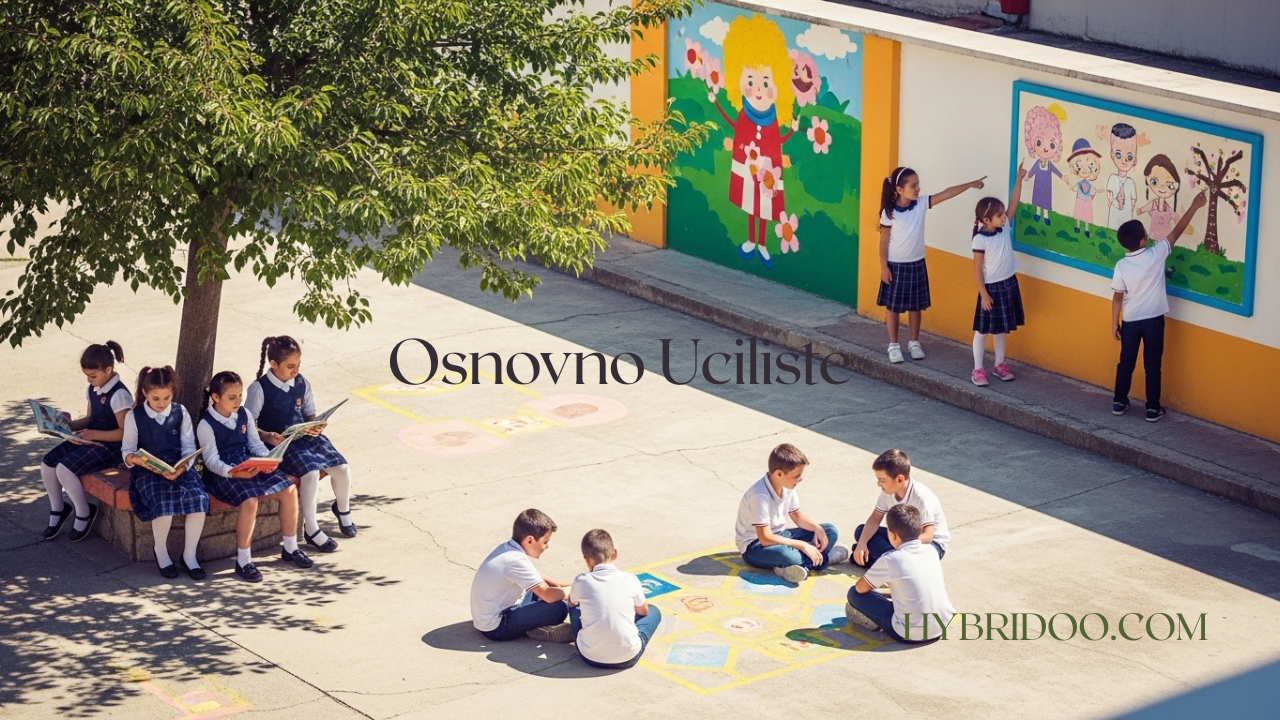
Every person’s life is a journey marked by distinct phases of physical, emotional, and intellectual growth. If we imagine the core of childhood as a vast, intricate mosaic, then osnovno uciliste is not merely one tile within it. It is the entire backing, the essential foundation upon which one of life’s most critical transformations is carefully assembled. It represents the transition from a child to a student, from free play to structured learning, from the safety of the family circle to the first profound social interactions with the wider world. This process transcends basic literacy and numeracy; it is the fundamental construction of a person. This comprehensive guide explores the immense importance, structure, goals, and beautiful challenges inherent in a child’s path through osnovno uciliste.
What is Osnovno Uciliste? Defining the Foundation
Osnovno uciliste is the first and mandatory stage of formal education. In many educational systems, including that of North Macedonia, it typically spans nine grades, catering to children from approximately age 6 to age 15. Its primary role, as defined by law and pedagogy, is to provide all children with the core competencies necessary for life. It aims to foster personal identity, critical thinking skills, and a sense of responsibility, shaping young individuals into active and conscientious members of society.
To view osnovno uciliste solely through the lens of curricula and grades is to miss its true essence. It is a microcosm of society itself. Here, for the first time, a child learns to navigate relationships with peers outside the family, understand community rules, develop empathy, and build resilience.
The Multifaceted Goals of Osnovno Uciliste
The mission of osnovno uciliste is beautifully complex and extends far beyond academic benchmarks. Its goals are multifaceted:
-
Academic Foundation: Imparting essential knowledge in core subjects like the native language, mathematics, science, history, and arts. This is the cornerstone of all future education.
-
Social-Emotional Learning (SEL): This is arguably where osnovno uciliste makes one of its most profound impacts. Children learn to cooperate, resolve conflicts, express emotions healthily, and develop self-awareness and self-confidence.
-
Civic and Ethical Development: Instilling basic values of respect, tolerance, honesty, and fairness. Students begin to understand their role in a community and the importance of democratic principles.
-
Identification and Nurturing of Talents: Through a variety of subjects and extracurricular activities, osnovno uciliste plays a key role in discovering a child’s innate talents—be it in sports, music, painting, writing, or logical reasoning.
-
Developing Learning Skills: Teaching children how to learn—how to research, analyze information, solve problems, and think critically—is a gift that serves them for a lifetime.
The Structural Framework: Inside the Osnovno Uciliste
Understanding the typical structure of osnovno uciliste helps demystify the journey for parents and highlights its developmental logic.
The Three Key Cycles
Many systems, including the nine-year model, are divided into cycles that align with child development:
-
Initial Cycle (Grades 1-3): The focus here is on adaptation. The primary goal is mastering basic literacy and numeracy, but equally important is fostering a positive attitude toward school.The class teacher is a central, nurturing figure.
-
Middle Cycle (Grades 4-6): This phase builds upon the foundation. Knowledge becomes more structured and subject-specific. Students start to develop more independent work habits, and their social dynamics become more complex. The exploration of individual interests deepens.
-
Final Cycle (Grades 7-9): This cycle prepares students for the next educational step. The curriculum becomes more demanding and specialized. It is a period of significant personal maturation, where students begin to form their own worldviews and make more choices regarding their educational path.
The Heart of the Process: Teachers and Pedagogy
The quality of an osnovno uciliste is inextricably linked to its teachers. A dedicated teacher in these formative years is not just an instructor; they are a mentor, a guide, and sometimes a second parent. Modern pedagogy in osnovno uciliste increasingly emphasizes:
-
Student-centered learning: Tailoring approaches to different learning styles.
-
Interactive methods: Using projects, group work, and technology to engage students actively.
-
Formative assessment: Focusing on feedback and growth rather than just final grades.
-
Inclusive education: Ensuring every child, regardless of ability or background, feels valued and supported.
The Challenges and Opportunities in Modern Osnovno Uciliste
The landscape of osnovno uciliste is not static; it evolves with society. Today, it faces distinct challenges that also present opportunities for growth.
-
Integrating Technology: Balancing the immense benefits of digital tools with the risks of screen overexposure and cyberbullying. The goal is to create digitally literate citizens who can use technology responsibly and creatively.
-
Promoting Inclusivity: Creating a school environment that truly celebrates diversity—in learning abilities, cultural backgrounds, and socioeconomic status—is an ongoing mission. An effective osnovno uciliste is one where every child feels they belong.
-
Partnering with Parents: The most successful outcomes occur when osnovno uciliste and the family function as a true team. Regular, open communication and shared goals between teachers and parents are crucial for a child’s stability and progress.
-
Focusing on Well-being: Addressing increasing concerns about student anxiety and stress by prioritizing mental health, fostering a supportive climate, and ensuring that the joy of learning is not lost under pressure.
A Guide for Parents: Supporting Your Child’s Osnovno Uciliste Journey
As a parent, you are your child’s first and most important teacher. Your role complements that of the osnovno uciliste. Here’s how you can provide effective support:
-
Foster a Positive Attitude: Speak about school and learning with excitement and curiosity. Show interest in what they are doing, not just what grades they received.
-
Establish Routines: Consistent routines for sleep, meals, homework, and play provide the security and structure children need to thrive.
-
Create a Learning-Friendly Environment: Have a quiet, well-lit space for homework and keep books and creative materials accessible at home.
-
Communicate, Don’t Interrogate: Instead of “What did you learn today?” try “What was the most interesting thing you discovered?” or “Did you help anyone today?”
-
Maintain a Strong Partnership with Teachers: Attend meetings, be proactive in communication, and view teachers as allies in your child’s development.
Conclusion: More Than a School, A Foundational World
Osnovno uciliste is far more than a mandatory institution or a series of classrooms. It is a child’s first major foray into society, a laboratory for life, and a workshop where the raw materials of personality, intellect, and character are thoughtfully shaped. It is where friendships are forged, challenges are overcome, and the flame of lifelong curiosity is kindled. The investment we make—as educators, parents, and a society—in strengthening and nurturing our osnovno uciliste system is, in essence, a direct investment in our shared future.