
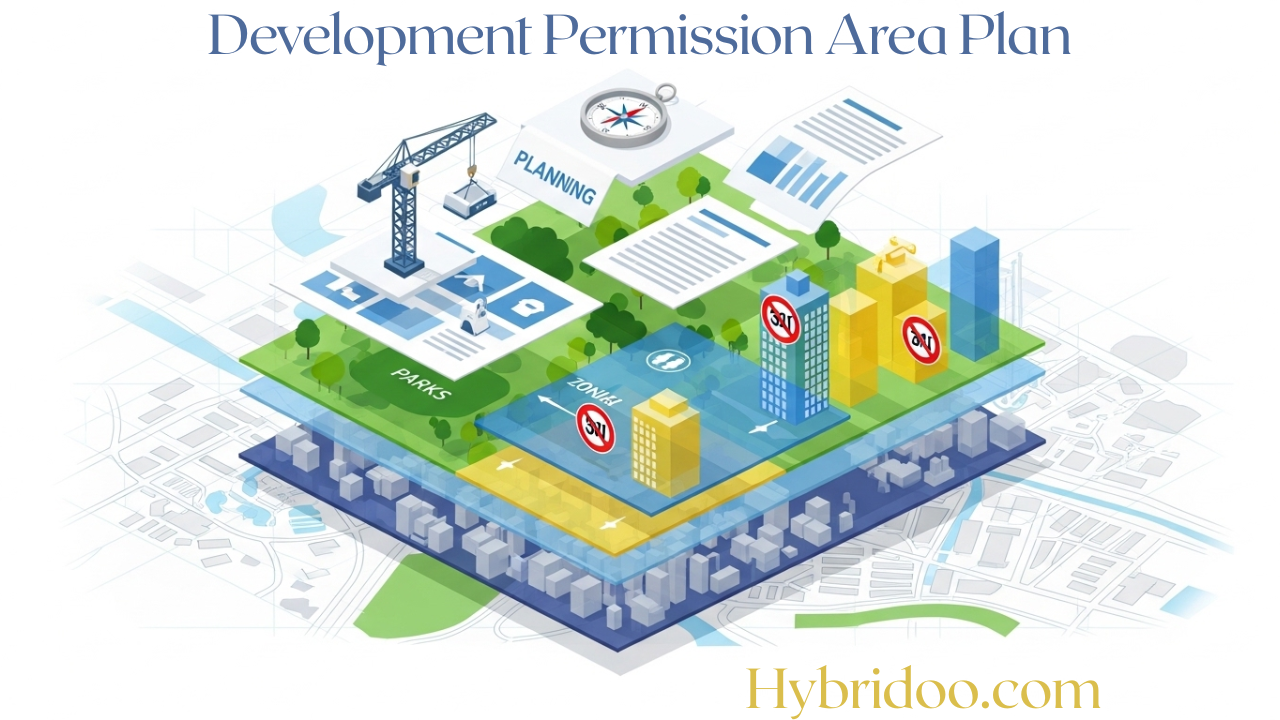
Introduction to Development Permission Area Plans
Navigating the world of urban planning can feel overwhelming, especially when it comes to understanding development permission area plans. These essential frameworks guide how our cities grow and evolve, ensuring that development aligns with community needs and environmental considerations. Whether you’re a developer, a resident curious about local planning strategies, or someone passionate about sustainable growth, grasping these concepts is crucial. This comprehensive guide will break down the various components of development permission area plans and help you understand their significance in shaping vibrant communities for generations to come. Let’s dive in!
Overview of Outline Zoning Plans
Outline zoning plans serve as a framework for land use within specific areas. They define the intended development patterns, guiding how land can be used and what types of projects are permissible. These plans ensure that growth is orderly, sustainable, and aligns with community goals.
Typically established by local authorities, outline zoning plans consider various factors like infrastructure capacity and environmental impact. By laying out regulations for density, height restrictions, and usage types, these plans help maintain harmony in urban settings while promoting efficient resource use.
Exploring Urban Renewal Authority Development Scheme Plans
Urban Renewal Authority Development Scheme Plans play a crucial role in revitalizing urban areas. These plans focus on transforming underdeveloped regions into vibrant communities, enhancing both livability and economic opportunities.
By integrating residential, commercial, and recreational spaces, these schemes aim to create well-balanced neighborhoods. They often involve collaboration with various stakeholders, ensuring that the needs of local residents are prioritized while fostering sustainable development practices. Engaging design elements further contribute to the aesthetic appeal of these renewed urban landscapes.
Understanding Regulated Area Plans
Regulated Area Plans are crucial in managing land use within designated regions. These plans ensure that development aligns with local regulations, preserving the character and functionality of neighborhoods. By setting specific guidelines, they help control building heights, densities, and types of activities allowed.
These plans often involve public input to reflect community needs and preferences. Engaging stakeholders fosters transparency and encourages a collaborative approach to urban planning. Regulated Area Plans play a vital role in sustainable growth while protecting valuable resources and amenities for future generations.
Navigating through Development Permission Area Plans
Navigating through Development Permission Area Plans can be complex. Understanding the regulations and guidelines is crucial for anyone involved in development projects. These plans dictate land use, zoning requirements, and environmental considerations.
To start, familiarize yourself with local policies that shape these areas. Engage with planning authorities early on to clarify any uncertainties. This proactive approach ensures smoother project progression and compliance with established standards throughout the development lifecycle. Always stay informed about updates or changes to relevant legislation that may affect your plans as well.
Schedule of Statutory Plans
A Schedule of Statutory Plans outlines the various planning documents and proposals that govern land use in a specific area. These plans include development permission area plans, zoning regulations, and urban renewal strategies designed to ensure organized growth.
These schedules are essential for developers, planners, and policymakers. They provide clarity on what is permissible within designated zones while guiding decision-making processes. Understanding this schedule helps stakeholders navigate regulatory frameworks effectively.
Enforcing Development Permission Area Plans
Enforcing Development Permission Area Plans is crucial for maintaining urban development standards. Authorities monitor compliance through inspections and assessments, ensuring that projects align with approved plans.
When violations occur, penalties may be imposed to deter non-compliance. This enforcement not only protects community interests but also fosters sustainable growth by regulating how land is used and developed over time. Stakeholders must stay informed about the consequences of breaching these plans to avoid potential legal issues or project delays.
Key Elements of Development Permission Area Plans
Development Permission Area Plans consist of several key elements that guide urban growth. These plans typically outline land use, zoning regulations, and infrastructure requirements. They ensure a balanced approach to development while catering to community needs.
Additionally, stakeholder engagement is crucial in shaping these plans. Public input helps address concerns and enhances transparency throughout the planning process. This collaborative effort fosters a sense of ownership among residents, ultimately leading to more successful implementation of the plan’s objectives.
FAQs
Questions about development permission area plans are common. Understanding the intricacies can be challenging, but clarity is essential for effective urban planning.
Common queries include the five stages of the development plan process and what constitutes an area plan. Knowing these details helps navigate regulations and ensures compliance with zoning laws. If you’re unsure about any aspect, seeking professional advice can further illuminate your path forward in this complex field.
What are the 5 stages of the development plan process?
The development plan process typically unfolds in five essential stages. First, there is the formulation stage, where initial ideas and objectives are established. This sets the groundwork for future decisions.
Next comes public consultation, allowing stakeholders to provide input and feedback on proposed plans. Following that is the examination phase, during which authorities review documentation closely. The fourth stage involves approval of the plan before implementation begins. Monitoring ensures adherence to regulations and assesses outcomes over time.
What is an area plan?
An area plan is a strategic framework used in urban and regional planning. It outlines the vision for land use, transportation, housing, and community amenities within a specific geographic location.
These plans often address local needs and priorities while considering broader development goals. Area plans guide decision-making for zoning changes and infrastructure investments, ensuring that growth aligns with sustainable practices and enhances quality of life for residents.
What is the development plan?
A development plan is a strategic framework that guides land use and urban growth within a specific area. It outlines policies and regulations to ensure organized, sustainable development while addressing community needs.
These plans typically cover various aspects such as housing, transportation, infrastructure, and environmental protection. By establishing clear objectives and guidelines, they help local authorities make informed decisions about zoning and land management for the future of their communities.
What is a development plan in urban planning?
A development plan in urban planning serves as a blueprint for future growth and development within a specific area. It outlines policies, regulations, and strategies to manage land use effectively while addressing community needs. This plan often includes zoning classifications, infrastructure proposals, and environmental considerations. By integrating these elements, urban planners aim to create sustainable communities that balance economic development with social equity. A well-crafted development plan is essential for fostering vibrant neighborhoods that can adapt to changing demands over time.