
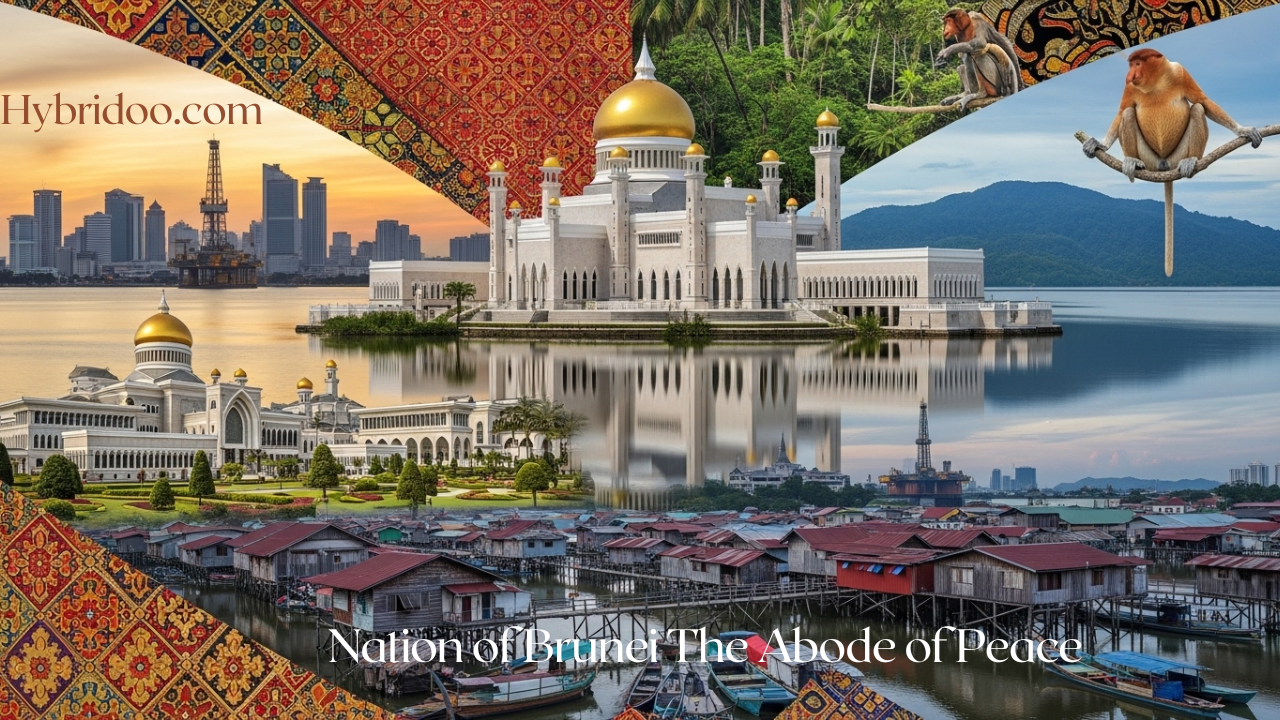
Welcome to the enchanting nation of Brunei, often referred to as the “Abode of Peace.” Nestled on the island of Borneo, this small but vibrant kingdom is a treasure trove of rich traditions and modern advancements. From its lush rainforests to opulent mosques, Brunei beautifully blends ancient customs with contemporary life. Join us as we embark on an exploration through its fascinating history, governance structures, and commitment to sustainability while uncovering what makes this unique enclave truly special. Let’s dive into the heart and soul of Brunei!
Nation of Brunei, Abode of Peace: Exploring Traditions and Modernity
Brunei, the Abode of Peace, is a captivating blend of tradition and modernity. The nation’s cultural identity shines through its vibrant festivals, traditional music, and exquisite handicrafts. Visitors can witness age-old customs celebrated with passion in this serene landscape.
Simultaneously, Brunei embraces modernity with impressive infrastructure and advancements in technology. Skyscrapers rise alongside historical mosques, showcasing the harmonious coexistence of past and present. This balance creates a unique atmosphere that invites exploration at every turn.
Overview of Brunei’s History and Cultural Identity
Brunei’s history is rich and layered, tracing back to the 14th century when it was a vital trading hub in Southeast Asia. The sultanate flourished under the influence of Islam, which became a cornerstone of its cultural identity.
The nation embraces its heritage through traditional arts, music, and festivals. Bruneians take pride in their customs, reflecting a harmonious blend of Malay culture and Islamic values. This unique tapestry shapes their way of life today while fostering deep connections to both past and present traditions.
Governance and Socioeconomic Wellbeing in Brunei
Brunei’s governance is characterized by a unique blend of monarchy and modernity. The Sultan, as both head of state and government, wields significant power while ensuring stability and continuity. This centralized authority fosters effective decision-making that aligns with the nation’s values.
Socioeconomic wellbeing in Brunei is notably high. Thanks to rich natural resources, citizens enjoy free healthcare, education, and generous welfare benefits. Such provisions contribute to a prosperous quality of life, where individuals can thrive within this tranquil haven known as the Abode of Peace.
Environmental Sustainability and Peaceful Coexistence in Brunei
Brunei prioritizes environmental sustainability, ensuring a harmonious relationship with nature. Its lush rainforests and diverse ecosystems thrive under careful conservation efforts. The government emphasizes eco-friendly practices and promotes awareness among citizens about ecological preservation.
In this serene nation, peaceful coexistence is evident in its commitment to maintain biodiversity while supporting economic growth. Initiatives like the establishment of protected areas reflect Brunei’s dedication to safeguarding its natural heritage for future generations. This balance reinforces the country’s identity as an oasis of peace amid modern challenges.
Challenges and Future Prospects
Brunei faces several challenges that could affect its future trajectory. The reliance on oil and gas revenues leaves the economy vulnerable to global market fluctuations. Diversifying into other sectors is crucial for sustainable growth.
Additionally, there’s a need to balance tradition with modernity. As globalization influences local culture, preserving Brunei’s unique identity becomes essential. Education and technology can play pivotal roles in fostering innovation while maintaining cultural integrity. Addressing these issues will shape Brunei’s path forward as the Abode of Peace navigates change.
Conclusion: Embracing Tradition and Progress
Brunei stands as a testament to the harmonious blend of tradition and modernity. Its rich cultural tapestry, woven from centuries of history, continues to shape its national identity today. The embrace of Islamic values alongside contemporary advancements showcases how Brunei navigates the complexities of a globalized world.
As this nation forges ahead, it remains committed to preserving its heritage while fostering growth and sustainability. This balance ensures that Brunei not only cherishes its past but also looks forward with optimism toward a vibrant future.
Brunei: A Historical and Contemporary Perspective
Brunei’s rich history dates back over a thousand years, marked by trade and cultural exchanges that shaped its identity. The kingdom flourished as a regional power during the 15th century, establishing itself as an influential trading hub in Southeast Asia.
Today, Brunei strikes a balance between maintaining its royal heritage and embracing modernity. With significant oil reserves driving economic growth, the nation invests in infrastructure while preserving traditions and values that define its unique character on the global stage.
Early Civilization to Independence: Evolution of Brunei
Brunei’s early civilization dates back to the 14th century when it thrived as a significant trading hub in Southeast Asia. The strategic location along maritime trade routes allowed Brunei to flourish, attracting merchants from various regions. This period saw the emergence of Islam, which transformed its cultural landscape.
By the late 19th century, British influence began to shape Brunei’s governance. The discovery of oil in the 1920s brought newfound wealth and stability. Brunei gained independence on January 1, 1984, marking a pivotal moment in its history.
Modern Governance and Socioeconomic Development
Brunei’s governance structure reflects its unique royal heritage, with Sultan Hassanal Bolkiah at the helm. The political system promotes stability and unity, allowing for effective policy implementation. This centralized approach facilitates swift decisions that drive national development.
The nation’s wealth stems from its rich oil and gas reserves, which fund extensive social services like healthcare and education. Brunei’s investment in infrastructure enhances connectivity and quality of life for citizens, ensuring a balanced blend of tradition with modern socioeconomic strategies.
Cultural Heritage and National Identity
Brunei’s cultural heritage is a vibrant tapestry woven through centuries. Traditional arts, music, and dance reflect the nation’s Islamic influences and Malay roots. Events like the Sultan’s birthday or Hari Raya bring communities together, showcasing age-old customs that foster national pride.
National identity in Brunei is closely tied to its monarchy. The royal family symbolizes unity and continuity amid rapid modernization. As citizens embrace both traditional values and contemporary practices, they forge a unique identity that honors their past while looking toward the future.
Global Relations and Defense Strategies
Brunei maintains a neutral stance in international affairs, focusing on diplomacy and cooperation. Its strategic location in Southeast Asia makes it vital for trade routes. The nation strengthens ties with neighboring countries through various regional organizations like ASEAN.
Defense strategies emphasize maintaining peace and stability. Brunei invests in modernizing its military while prioritizing humanitarian efforts. This balanced approach reflects the nation’s commitment to security without compromising its core values of harmony and respect among nations.
Infrastructure, Religion, and Language in Brunei
Brunei boasts robust infrastructure that supports its status as an economic hub. Modern highways, efficient public transport, and advanced telecommunications connect the nation’s regions seamlessly. The capital, Bandar Seri Begawan, is a striking blend of contemporary architecture and traditional designs.
Religion plays a pivotal role in Bruneian life. Islam is the state religion, shaping laws and daily practices. Malay is the official language, reflecting cultural identity while English serves as a vital communication tool for business and education in this diverse society.
FAQs
Curious about the nation of Brunei, often referred to as the “Abode of Peace”? You might wonder which country claims this title. It’s Brunei, a small but rich nation on Borneo Island.
You may also be curious about its cultural practices, such as why Islam is predominant here or if pork can be eaten in this Islamic state. These questions reflect common interests and highlight the unique blend of tradition and modernity that defines Brunei today.
Which country is called the Abode of Peace?
The title “Abode of Peace” refers to the nation of Brunei. Nestled on the island of Borneo in Southeast Asia, this small yet prosperous country is known for its serene landscape and harmonious society. The phrase highlights Brunei’s commitment to peace and stability within its borders.
Brunei has a rich cultural heritage deeply rooted in Islamic traditions, which contribute to its peaceful identity. With strict laws that promote harmony among its people, it stands out as a unique blend of tradition and modernity in today’s world.
Why did Brunei convert to Islam?
Brunei’s conversion to Islam in the 15th century was pivotal for its cultural identity. The influence of traders and missionaries from the Arabian Peninsula introduced Islamic teachings, which resonated with local beliefs. Sultan Muhammad Shah embraced Islam, marking a significant shift in governance and society.
This transition led to the establishment of Islamic law as central to Bruneian life. It shaped traditions, values, and community structures that remain integral today. As a result, Brunei became deeply rooted in Islamic culture while maintaining its unique heritage.
What is the national motto of Brunei?
Brunei’s national motto is “Always in Service with God’s Guidance.” This phrase reflects the deep-rooted Islamic values that permeate Bruneian society. It emphasizes a commitment to serving the nation, its leaders, and fellow citizens under divine guidance.
The motto serves as a reminder of the importance of faith and duty in everyday life. It embodies the spirit of unity within diversity while promoting peace and harmony among its people. This guiding principle shapes not only governance but also social interactions across this serene nation.
Can I eat pork in Brunei?
Brunei is a unique nation where cultural values intertwine with modern governance. The country adheres to Islamic principles, which significantly influence its dietary laws. As a result, pork consumption is strictly prohibited in Brunei. This regulation aligns with the nation’s identity as a Muslim-majority state.
Visitors should respect these customs and seek alternatives when dining out or shopping for food. Many local dishes showcase Brunei’s culinary diversity without including pork. Exploring these options can lead to delightful gastronomic experiences that reflect the rich culture of this peaceful abode.