
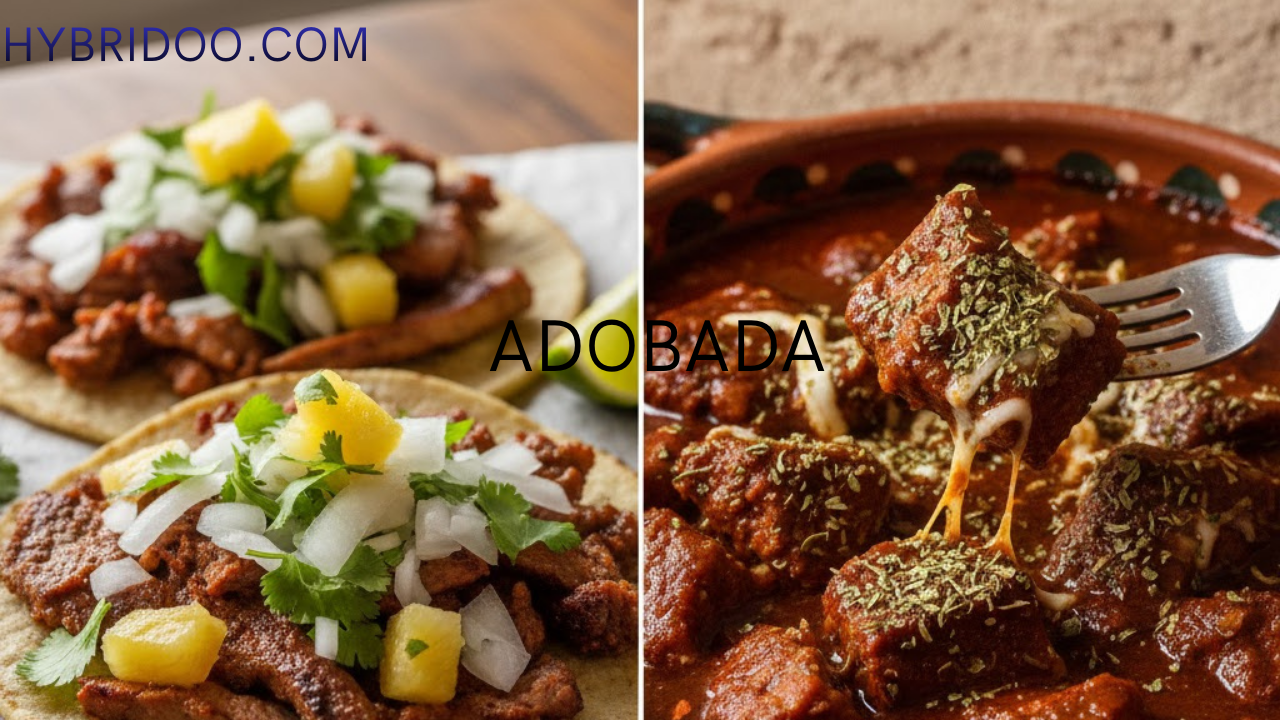
For many food lovers, few things spark immediate craving like the words “marinated pork.” But when that pork is described as adobada, confusion often follows. Is it the sizzling, spice-rubbed meat sliced from a vertical spit for tacos? Or is it the fork-tender pork swimming in a rich, ruddy chile stew? The answer is yes—to both. The term adobada (and its cousin, adovada) represents two distinct, beloved dishes born from a shared linguistic root but separated by geography, technique, and tradition.
This guide cuts through the confusion. We’ll explore the vibrant world of adobada, clarifying the critical differences between the grilled Mexican marvel and the slow-simmered New Mexican classic. You’ll learn their unique histories, master their key ingredients, and discover how to bring authentic versions of both to your table.
A Tale of Two Dishes: Mexican Adobada vs. New Mexican Carne Adovada
The core of the confusion lies in a simple linguistic twist. The Spanish verb adobar means “to marinate”. In Main
Cross the border into the American Southwest, and the story evolves. In New Mexico, the dish is spelled carne adovada (sometimes shortened to just adovada). Here, it transforms from a quick-grilled street food into a hearty, slow-cooked stew where pork simmers for hours in a luxurious sauce made from local red chiles.
The table below outlines the fundamental differences that define each dish:
| Feature | Mexican Adobada | New Mexican Carne Adovada |
|---|---|---|
| Core Definition | Marinated, grilled pork. | Pork stewed in red chile sauce. |
| Primary Cooking Method | Grilled, pan-fried, or smoked over high heat. | Slow-simmered or baked for 2+ hours. |
| Key Characteristic | Tangy, with charred edges from quick cooking. | Extremely tender, with pork that’s “nearly falling apart”. |
| Signature Ingredients | Vinegar, guajillo/ancho chiles, achiote paste, pineapple. | New Mexico red chiles, garlic, oregano, cumin; often includes coffee or raisins. |
| Typical Serving Style | Sliced for tacos with onions, cilantro, and pineapple. | Over rice, stuffed in sopaipillas or enchiladas, or in a burrito. |
| Flavor Profile | Bright, acidic, smoky, with a touch of sweetness. | Earthy, deeply savory, mild to medium heat, with complex sweetness. |
The Cultural Roots: More Than Just a Marinade
To understand adobada is to take a brief journey through history. The concept traces back to Spain, where adobo was a vinegar-based marinade used to preserve meat in the days before refrigeration. As Spanish explorers and colonists traveled, they brought this technique with them.
In Mexico, it met the New World’s greatest gift to global cuisine: the chile pepper. The Spanish adobo was brilliantly fused with native ingredients like guajillo and ancho chiles, creating the vibrant, complex red pastes we know today.
The story in New Mexico followed a different path. Isolated by geography, the region developed its own unique culinary identity. Here, the local New Mexico chile pepper became the undisputed star. The preparation shifted from a quick marinade for preservation to a slow-cooking method that tenderized less expensive cuts of pork, creating a comforting, staple dish that became a “backbone of New Mexican cuisine”.
This evolution speaks to a beautiful truth about food and authenticity. As one writer and former New Mexico resident reflects, cuisines are not frozen in time. They organically evolve in new environments, and the New Mexican adovada is no less “real” than its Mexican relative—it is a powerful and delicious expression of a specific place and its people.
Crafting Authentic Mexican Adobada at Home
Creating authentic Mexican adobada is a project of layering flavors, culminating in the iconic adobada taco. The goal is tender, deeply seasoned pork with a slightly charred edge.
The Foundation: The Adobo Marinade
The soul of the dish is the adobo paste. Dried chiles provide the base: guajillos for gentle warmth and anchos for sweet, raisiny depth. They are rehydrated and blended with key flavor agents:
-
Achiote Paste: This brick-red paste made from annatto seeds gives the marinade its distinctive color and an earthy, slightly peppery flavor.
-
The Acids: Vinegar (often white or apple cider) and citrus juice (like orange or bitter orange) tenderize the meat and provide the essential tang.
-
Aromatics: Garlic, cumin, oregano, and black pepper build the complexity.
The Technique: Layering and Cooking
Authentic preparation involves a distinctive layering method. Pork shoulder is sliced thinly, pounded, and then stacked in a pan or on a skewer with the marinade, slices of fresh pineapple, and sometimes even bacon. The pineapple is not just a garnish; its enzymes and sugars tenderize the meat and caramelize during cooking, adding a crucial sweet counterpoint to the spicy, tangy marinade.
The stack is then cooked. Traditionally, this would be on a vertical rotisserie (showing the clear influence of tacos al pastor), but excellent results can be achieved in a hot oven or on a grill. The final step is shaving off thin, crispy-edged slices of the pork and pineapple to fill warm corn tortillas.
Mastering New Mexican Carne Adovada
The process for carne adovada is less about layering and more about patient, low-and-slow fusion. It’s a rustic stew where the pork and sauce become one.
The Heart: The New Mexico Chile Sauce
The single most important ingredient is the New Mexico red chile. Using high-quality dried pods or pure ground chile from the region is non-negotiable for authentic flavor. The chiles are briefly roasted or soaked, then blended into a smooth sauce with garlic, oregano, cumin, and sometimes a pinch of sugar or coffee to balance and deepen the flavor.
The Method: Low and Slow
Pork butt, cut into cubes, is often seared first for flavor. It’s then combined with the chile sauce and simmered gently in the oven or on the stovetop. This is where the magic happens. The long, slow cook—at least two hours—allows the tough pork shoulder to become incredibly tender and the sauce to thicken and concentrate. The result is “spoon-tender chunks swimming in vibrant red chile sauce”.
Unlike its Mexican counterpart, vinegar is typically absent from the traditional New Mexican recipe. The tang and preservation element are not the goal; instead, it’s about the pure, earthy flavor of the chile and the richness of the pork.
Beyond the Plate: Serving and Savoring
How you serve these dishes further highlights their differences.
-
Mexican Adobada is street food vibrancy. Serve the sliced meat on small, double-stacked corn tortillas. Top with finely chopped white onion, fresh cilantro, a squeeze of lime, a spoonful of salsa, and a piece of the roasted pineapple from the cooking process. It’s a bright, interactive, and hands-on meal.
-
New Mexican Carne Adovada is hearty comfort. It’s also the classic filling for cheese enchiladas, a beloved stuffing for sopaipillas (fried bread), or wrapped in a burrito. It’s a satisfying, complete dish that embodies the warmth of Southwestern hospitality.
A Final Note on Heat
A common misconception is that both these dishes are extremely spicy. While heat can be adjusted to taste, New Mexican carne adovada is often intentionally mild, focusing on the chile’s flavor rather than its burn. Mexican adobada can have more kick, but the guajillo and ancho chiles are also known for their fruity, complex flavors more than intense heat.
Your Culinary Journey Awaits
The world of adobada is a fascinating example of how a single culinary idea can travel and transform, creating two magnificent dishes worthy of celebration. Whether you’re in the mood for the zesty, smoky punch of grilled adobada tacos or the deep, comforting embrace of a steaming bowl of carne adovada, you now have the knowledge to explore both with confidence.
Ready to taste the difference? Start your adventure by trying one of the classic recipes linked in this article. Share your results, ask questions, and join a community of enthusiasts who appreciate the rich stories behind the food we love. What will you cook first: the taco or the stew?