
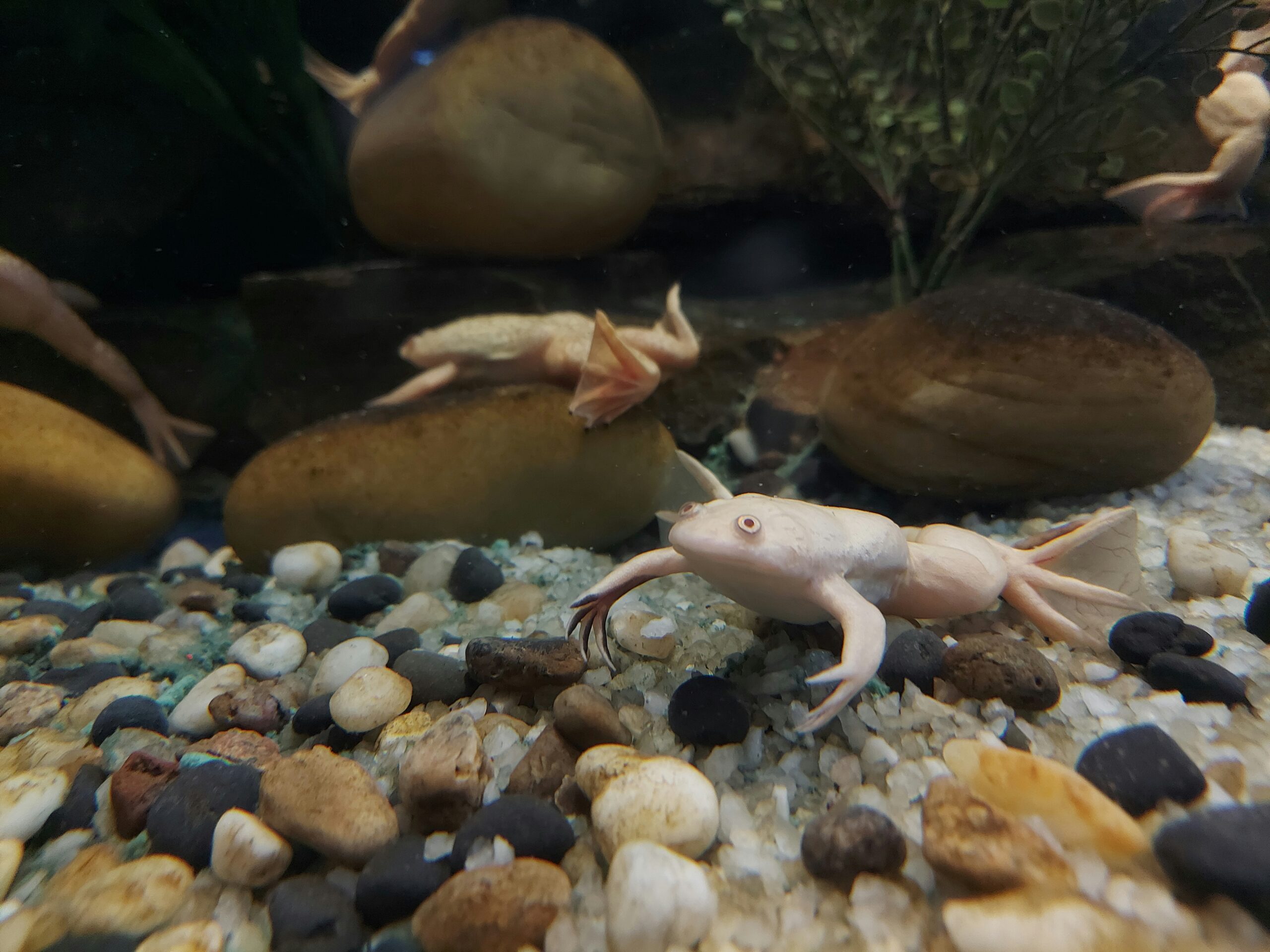
Introduction to the Axolotl
If you’re looking for a pet that stands out from the usual furry companions, then the axolotl might be just what you need. These unique aquatic creatures are not only visually stunning but also have captivating personalities. Hailing from the lakes of Mexico, axolotls possess some remarkable traits that make them an intriguing addition to any home.
With their feathery gills and charming smiles, these amphibians are more than just adorable; they’re also relatively easy to care for. Whether you’re a seasoned aquarium enthusiast or new to pet ownership, learning about the axolotl can open up a whole new world of fascinating experiences. Dive in as we explore everything you need to know about keeping your very own axolotl pet happy and healthy!
Physical Characteristics and Behavior of Axolotls
Axolotls are truly captivating creatures. With their external gills resembling feathery plumes, they possess a striking appearance that sets them apart from other amphibians. These delicate appendages come in various shades, including pink, white, and even dark brown.
Their smooth skin is another highlight. Unlike many pets with fur or scales, axolotls have a soft and moist texture. This unique physicality makes them quite fascinating to observe.
Behaviorally, axolotls are generally calm and curious. They explore their environment using their keen sense of smell rather than sight alone. You’ll often see them gliding gracefully through the water or resting on the bottom of their tank.
They can be surprisingly playful too! Axolotls may exhibit quirky behaviors like wiggling around when excited or showing interest in food—making every interaction enjoyable for pet owners.
Housing and Tank Setup for Axolotls
Creating the perfect habitat for your axolotl pet is crucial for its health and happiness. A spacious aquarium with a minimum capacity of 20 gallons is ideal. Axolotls can grow quite large, so ample swimming space is essential.
Substrate choice matters too. Avoid gravel as it poses a choking hazard. Instead, opt for sand or bare-bottom tanks to simplify cleaning while keeping your pet safe.
Aquatic plants provide shelter and enrichment but ensure they aren’t sharp-edged. Floating decorations like caves offer hiding spots where axolotls can retreat when feeling stressed.
Maintain water quality with an efficient filtration system, as axolotls are sensitive to pollutants. Regular water changes help keep their environment pristine.
Temperature control is vital; aim for cool waters between 60°F and 68°F (15°C – 20°C). Use a reliable thermometer to monitor conditions closely—keeping them comfortable ensures a thriving axolotl pet experience!
Feeding and Nutrition for Axolotls
Feeding your axolotl is essential for its health and vitality. These fascinating creatures are carnivorous, so their diet should primarily consist of protein-rich foods.
Live or frozen bloodworms, earthworms, and brine shrimp make excellent choices. You can also offer pellets specifically designed for carnivorous aquatic pets.
It’s crucial to feed them in moderation. Overfeeding can lead to obesity and other health issues. A good rule of thumb is to provide meals two to three times a week.
When feeding an axolotl, observe how much they consume within 10-15 minutes. Remove any uneaten food promptly to maintain water quality.
Always ensure the food size fits comfortably in their mouth; smaller pieces are safer and easier for them to digest. Keeping a varied diet can help prevent nutritional deficiencies while keeping mealtime interesting!
Handling and Care Tips for Axolotls
Handling axolotls requires a gentle approach. These delicate creatures have sensitive skin, so avoid touching them unless necessary. If you need to move your axolotl, use a soft net or cupped hands.
Keep the environment calm during handling. Sudden movements can stress them out. Always provide a peaceful atmosphere when interacting with your pet.
Regular tank maintenance is essential for their health. Clean the substrate and check water parameters frequently to ensure optimal living conditions. Axolotls thrive in cool temperatures, ideally between 60-68°F.
Monitor their behavior closely for any signs of distress or illness. An axolotl that seems lethargic or has changes in appetite may require veterinary attention.
Offer enrichment opportunities like hiding spots and plants within the tank to keep them engaged and happy while minimizing handling needs.
Common Health Issues in Axolotls and How to Prevent Them
Axolotls are generally resilient creatures, but they can face health challenges. One common issue is skin infections, often resulting from poor water quality or injuries. Ensuring clean tank conditions can help prevent these problems.
Another concern is ammonia poisoning. High levels of ammonia in the water can be toxic to your axolotl pet. Regular water testing and maintenance are crucial for their wellbeing.
Watch for signs of stress, such as lethargy or loss of appetite; these may signal underlying issues. Stressors include sudden temperature changes or overcrowding in the tank.
Parasites like anchor worms can affect axolotls too. Keeping an eye on their behavior and appearance helps identify potential infestations early on.
By maintaining a stable environment and monitoring their health closely, you’ll keep your axolotl thriving while minimizing risks associated with common ailments.
Conclusion: Why Axolotls Make Great Pets
Axolotls make unique and captivating pets for a variety of reasons. They are not only visually stunning but also possess fascinating behaviors that can keep any pet owner entertained. Their ability to regenerate limbs and adapt to their aquatic environment adds an element of intrigue unmatched by other pets.
Caring for these creatures may require some specialized knowledge, but the rewards far outweigh the effort. With proper housing, diet, and regular attention to their health, axolotls thrive in home aquariums. They offer a peaceful presence with minimal noise or disruption.
For those looking for a low-maintenance yet engaging companion, an axolotl pet is an excellent choice. These amphibians bring joy through their quirky antics while helping owners learn more about aquatic ecosystems. If you’re on the fence about adding one to your family, consider diving into the world of axolotls—they might just steal your heart!