
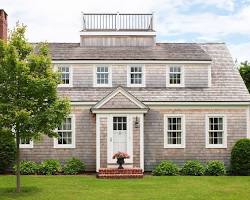
Few architectural styles capture the warmth and nostalgia of early American life like the Cape Cod-style home. With its symmetrical design, steep rooflines, and cozy proportions, the Cape has stood the test of time—remaining one of the most beloved home styles in the United States. But this classic New England design is more than just charming; it’s a blueprint for simple living that continues to inspire modern architecture today.
In this post, we’ll explore the history, design features, benefits, and modern adaptations of Cape-style homes, as well as what makes them such an enduring favorite among homeowners and architects alike.
A Brief History of Cape-Style Homes
The Cape Cod home originated in the 17th century, when English settlers brought their practical, modest housing designs to the harsh New England climate. Inspired by the thatched cottages of the English countryside, these early homes were adapted to withstand the region’s fierce Atlantic winds and heavy snowfall.
The typical Cape home was built with a steep, gabled roof to prevent snow accumulation, a central chimney for efficient heating, and small, shuttered windows to minimize heat loss. Most importantly, it was compact—usually a simple rectangle with one and a half stories, making it easier to heat during long winters.
By the 1930s, architect Royal Barry Wills revived the style, giving it a more modern and elegant touch. His updated versions maintained the traditional charm but introduced improved floor plans, dormer windows, and better use of space. This revival transformed the Cape Cod into a symbol of American domestic life—especially after World War II, when affordable Cape-style homes became the cornerstone of suburban development.
Key Architectural Features
Cape-style homes are known for their simplicity, symmetry, and balance. While variations exist, certain defining elements give the Cape its unmistakable look:
-
Steeply Pitched Roof
The sharply sloped roof is both functional and aesthetic, designed originally to shed snow easily. Today, it adds visual interest and character. -
Central Chimney
The hallmark of the original design, the chimney was placed at the center to provide even heat distribution. Modern versions often move it to one side but keep it as a focal point. -
Dormer Windows
Dormers break up the roofline and allow more natural light into the upper level. They also increase usable space, transforming an attic into cozy bedrooms or offices. -
Symmetrical Façade
Classic Cape homes feature a centered front door flanked by evenly spaced windows, giving them a balanced, inviting appearance. -
Shingle Siding
Wooden shingles, often weathered to a silvery gray, are the most recognizable exterior finish. They reflect the home’s coastal heritage and blend seamlessly with natural surroundings. -
Simple Floor Plan
Traditionally, Capes were built with two main rooms on either side of a central hallway and staircase. Modern Capes often expand this layout but retain the flow and intimacy.
Why Homeowners Love Cape-Style Homes
The enduring popularity of the Cape-style home isn’t just about looks—it’s also about livability and flexibility. Here’s why this classic design continues to capture hearts:
1. Timeless Appeal
Cape Cod homes are neither too ornate nor too plain. Their simplicity makes them adaptable to nearly any location or lifestyle. Whether nestled along a coastal road or standing proudly in a suburban neighborhood, they blend beautifully into their surroundings.
2. Efficient Use of Space
The compact footprint and efficient layout make Cape-style homes easy to maintain and heat. With clever design updates—like finishing the attic or adding dormers—owners can expand their living space without compromising the home’s cozy feel.
3. Durability and Practicality
Originally designed to handle harsh weather, these homes are sturdy by nature. The steep roofs and tight construction make them well-suited to regions with snow or rain, offering long-term durability with minimal upkeep.
4. Room for Personalization
While the Cape Cod has a strong architectural identity, it’s also a blank canvas for creativity. Homeowners can modernize the interior, add extensions, or experiment with materials without losing the home’s essence.
Modern Interpretations of the Cape Cod
Contemporary architects and builders have reimagined the Cape-style home for the 21st century, blending its historical roots with modern amenities and sustainable design.
Open-Concept Layouts
Traditional Capes had small, enclosed rooms. Modern designs often knock down walls to create open living spaces, allowing for better flow and natural light while maintaining the cozy character of the original.
Energy Efficiency
New Cape-style homes incorporate eco-friendly materials, advanced insulation, and energy-efficient windows. These improvements enhance comfort and reduce energy costs—something early settlers could only dream of.
Expanded Floor Plans
While early Capes were modest in size, modern versions often include attached garages, rear additions, and expanded kitchens. These updates provide more functionality without detracting from the home’s classic look.
Updated Exterior Finishes
Though cedar shingles remain a favorite, some homeowners opt for vinyl siding, fiber cement, or painted clapboard to achieve the same aesthetic with less maintenance. The result: a perfect marriage of tradition and convenience.
Interior Design in a Cape-Style Home
Inside a Cape-style home, you’ll find a blend of simplicity and charm. The interiors often feature:
-
Exposed wooden beams for rustic warmth
-
Neutral color palettes with soft whites, grays, and natural tones
-
Built-in cabinetry and storage to maximize space
-
Cozy fireplaces as a central feature
-
Hardwood floors that complement the traditional architecture
Decorating a Cape home often means balancing modern comfort with historical character. Minimalist furniture, coastal accents, and natural textures all enhance the style without overwhelming its simplicity.
Cape Cod Homes Across America
Although the style was born in New England, its influence has spread nationwide. From coastal California to the Great Lakes region, builders continue to reinterpret the Cape-style home for different climates and tastes.
-
In New England, traditional cedar-shingled Capes with white trim dominate the landscape.
-
In the Midwest, larger Capes with attached garages and finished basements are common.
-
In the South, designers often incorporate larger porches and lighter materials for better ventilation.
Regardless of location, each variation honors the same principles of symmetry, simplicity, and functionality.
Is a Cape-Style Home Right for You?
If you’re drawn to classic design, efficient use of space, and timeless charm, the Cape Cod-style home may be a perfect fit. Here are a few points to consider before investing in one:
-
Ideal for smaller families or couples, though expansions are possible.
-
Great for colder climates, thanks to its insulation-friendly design.
-
Requires thoughtful remodeling if you want an open layout.
-
Highly versatile—it can be rustic, modern, coastal, or traditional, depending on the finishes and décor.
Preserving the Legacy
Owning a Cape-style home is like owning a piece of American history. Each detail—from the steep roof to the shingled siding—tells the story of resilience, adaptation, and timeless design. Whether you’re restoring an old Cape or building a new one inspired by its heritage, you’re participating in a tradition that has shaped American architecture for centuries.
The beauty of the Cape Cod home lies in its balance between practicality and nostalgia. It reminds us that simplicity, when done right, never goes out of style.
Final Thoughts
The Cape-style home remains one of the most iconic and enduring symbols of American life. Its modest origins, functional design, and adaptable charm make it just as relevant today as it was 300 years ago. In a world of ever-changing architectural trends, the Cape Cod endures as a reminder that sometimes the simplest designs are the ones that last the longest.