
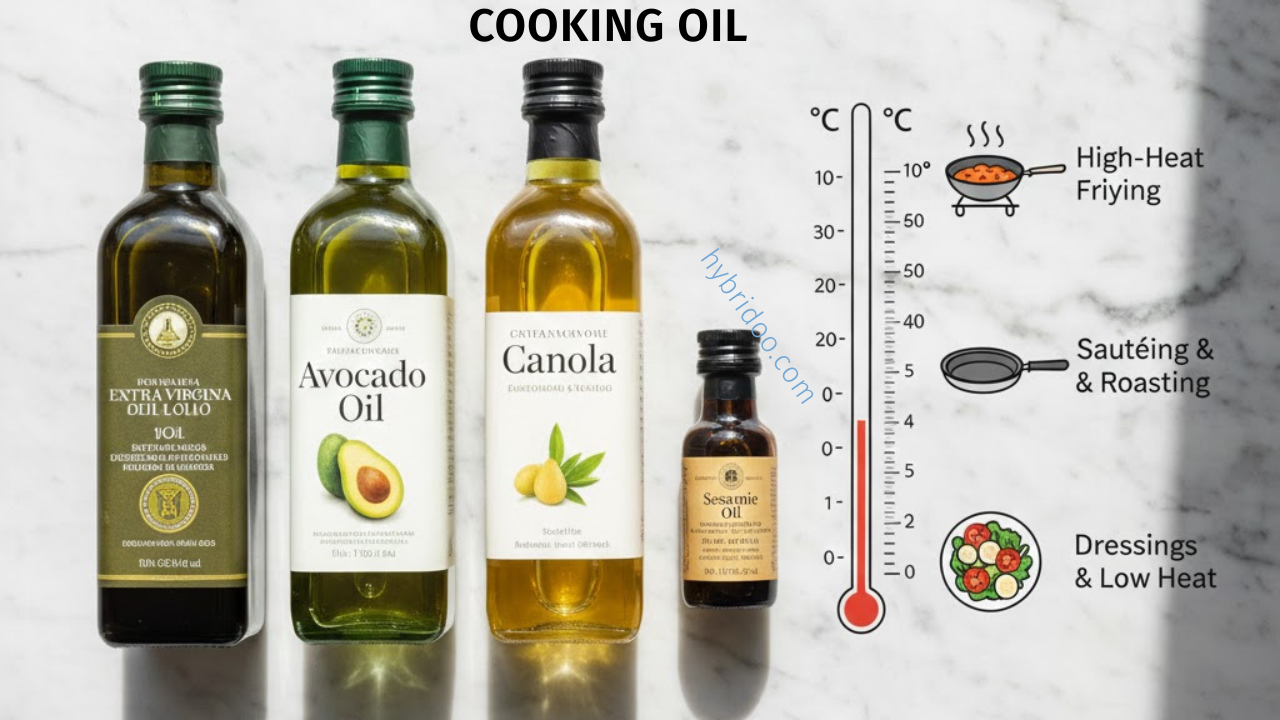
Have you ever wondered why some cooking oils are perfect for frying while others shine in salad dressings? The world of cooking oil is vast and fascinating, filled with flavors, health benefits, and culinary secrets. Understanding smoke points can elevate your cooking game and help you choose the right oil for every dish. Join me as we dive into the nuances of cooking oils, uncover their best uses, and learn how to make healthier choices in the kitchen!
Cooking Oil 101: Understanding Smoke Points and Best Uses
What if I told you that not all cooking oils are created equal? Smoke points can make or break your culinary creations. Discover how these temperature thresholds affect flavor and health, guiding you in selecting the right oil for frying, sautéing, or drizzling. Let’s unravel the mystery behind smoke points together!
Health and Nutrition
Cooking oil isn’t just a kitchen staple; it’s a treasure trove of health benefits. Did you know fats deliver flavor and boost nutrient absorption? From enhancing the taste of your dishes to providing essential fatty acids, the right cooking oil can elevate both nutrition and culinary delight in surprising ways. Curious yet?
Fats Deliver Flavor
Ever noticed how a drizzle of olive oil can transform a simple salad? Fats are nature’s flavor enhancers. They carry aromatic compounds and elevate the taste experience. Whether it’s butter in baked goods or sesame oil in stir-fries, fats bring dishes to life with rich depth and satisfying mouthfeel. Curious about how fats work their magic?
Fats are Full of Nutrients
Did you know that not all fats are created equal? Healthy fats, like those found in avocados and olive oil, provide essential nutrients. They help the body absorb vitamins A, D, E, and K. Plus, these fats can support brain health and promote heart wellness. Who knew cooking oil could be so beneficial?
Understanding Smoke Points
Have you ever noticed how some oils sizzle and smoke while others remain calm? That’s all about smoke points. This fascinating concept refers to the temperature at which an oil begins to break down, releasing smoke. Understanding it can elevate your cooking game, ensuring flavors stay vibrant and meals turn out perfectly every time.
What is Smoke Point?
Have you ever noticed a thin wisp of smoke rising from your pan while cooking? That’s the smoke point in action! It’s the temperature at which an oil begins to break down and produce visible smoke. Understanding this critical threshold can transform how we cook, ensuring our dishes taste great and remain healthy.
Importance of Smoke Points in Cooking
Smoke points are crucial when selecting cooking oils. When oil exceeds its smoke point, it breaks down and releases harmful compounds. This not only affects the taste of your dish but can also impact your health. Knowing the smoke point helps you choose the right oil for each cooking method, ensuring flavorful and safe meals.
Cooking with Oil vs. Cooking with Other Fats
Have you ever wondered how cooking with oil stacks up against using butter or lard? Oils often provide a lighter texture and higher smoke points, making them ideal for frying. On the other hand, traditional fats can add richness and depth to dishes that oils might not achieve alone. What’s your preference?
Best Practices for Storing and Keeping Oil
Storing cooking oil properly can extend its shelf life. Keep it in a cool, dark place away from heat and light. Use airtight containers to minimize oxidation. Refrigeration is great for oils with low smoke points, while olive oil thrives at room temperature. Always check for rancidity before use—your taste buds will thank you!
Types and Characteristics
Cooking oils come in a delightful variety, each with unique characteristics. From the buttery richness of olive oil to the nutty aroma of sesame oil, these options enhance flavors differently. Are you curious about which oils work best for high-heat cooking or add flair to salads? The answers might surprise you!
Overview of Different Cooking Oils
Cooking oils come in a delightful variety, each with unique flavors and properties. From the rich, nutty aroma of sesame oil to the lightness of canola, these oils enhance dishes in surprising ways. Exploring options like olive, coconut, and avocado oil opens new culinary possibilities that elevate your cooking game. Which one will you try first?
Best Cooking Oils for High-Heat Cooking
When it comes to high-heat cooking, certain oils shine brighter than others. Avocado oil and refined coconut oil can withstand intense temperatures without breaking down. Peanut oil is another favorite for stir-frying due to its nutty flavor and stability at high heat. Curious about how these oils elevate your dishes? Let’s explore!
Specialty Oils and Their Uses
Specialty oils add unique flavors and benefits to your cooking. For instance, truffle oil brings an earthy aroma to dishes, while sesame oil enhances Asian cuisine with its nutty taste. Avocado oil is perfect for drizzling over salads due to its creamy texture. Curious about how these oils can elevate your meals? Explore their diverse applications!
Extraction and Refinement
Curious about how your cooking oil is made? The extraction process involves squeezing or pressing seeds, nuts, or fruits to release their precious oils. This raw product may undergo refinement to remove impurities and enhance flavor. Each method impacts the oil’s taste, aroma, and nutritional profile—making every bottle on the shelf a unique choice!
Extraction Process of Cooking Oils
Have you ever wondered how cooking oils are extracted from their sources? The process usually begins with crushing seeds or fruits, followed by pressing or using solvents to extract the oil. Cold-pressed methods preserve flavor and nutrients, while refined techniques yield a neutral taste. Each method plays a unique role in determining quality and characteristics.
Refinement Techniques for Cooking Oils
Refinement techniques for cooking oils can be quite fascinating. They often involve filtering, bleaching, and deodorizing to enhance flavor and shelf life. These processes remove impurities that might affect taste or stability. The result? A clean oil ready for high-heat cooking or drizzling over your favorite dish, without any unwanted flavors lingering around!
Recycling and Waste Cooking Oil
Did you know that recycling cooking oil can help reduce environmental waste? Used oil can be converted into biodiesel, a cleaner alternative fuel. Proper disposal methods are crucial, as pouring it down the drain can cause blockages and pollution. Finding ways to recycle or repurpose used cooking oil is an innovative step toward sustainability.
Importance of Recycling Cooking Oil
Recycling cooking oil is more crucial than you might think. When disposed of improperly, it can harm our environment and clog waterways. Instead, recycling transforms used oil into biodiesel or animal feed. Imagine turning your leftover frying oil into energy! It’s a simple step that benefits both your kitchen and the planet. Curious about how to start?
Proper Ways to Dispose of Waste Cooking Oil
Wondering what to do with that leftover cooking oil? Pouring it down the drain is a big no-no. Instead, let it cool, then transfer it into a sealed container. You can recycle it or toss it in the trash. Some recycling centers even accept used oil for biodiesel production—how eco-friendly is that?
Recommendations and Best Uses
When it comes to cooking oils, choosing the right one can elevate your dishes. Olive oil shines in dressings and low-heat sautéing, while canola is perfect for frying. Coconut oil adds a tropical flair to baking. Curious about how different oils affect flavor? Experimenting opens up a world of delicious possibilities!
Top 5 Cooking Oils and Fats for Different Cooking Needs
Choosing the right cooking oil can transform your dishes. Olive oil shines in salads and sautéing, while coconut oil adds a tropical twist to baking. Avocado oil is perfect for high-heat frying, and sesame oil enhances stir-fries with its nutty flavor. Don’t forget about butter—its richness elevates everything from pastries to sauces!
Cooking Oil Recommendations for Healthy Cooking
Looking to enhance your healthy cooking? Extra virgin olive oil is a fantastic choice, packed with antioxidants and healthy fats. For stir-frying, consider avocado oil for its high smoke point. Coconut oil adds a delightful tropical flavor while providing medium-chain triglycerides. Each option brings unique benefits; experiment to find your favorite!
Using Different Cooking Oils in Various Dishes
Did you know that the type of cooking oil can completely transform a dish? For instance, olive oil adds a fruity note to dressings, while sesame oil imparts an unmistakable Asian flair. Experimenting with different oils can elevate flavors and enhance textures in your favorite recipes. Which one will you try next?
Additional Resources
Curious about diving deeper into the world of cooking oil? There are countless resources available. From informative articles to engaging videos, you can explore different techniques, health benefits, and even DIY projects. Discover expert tips that can elevate your culinary skills and broaden your understanding of fats in your kitchen adventures.
Further Reading
If you’re eager to dive deeper into the world of cooking oils, there’s a treasure trove of knowledge waiting. Explore articles on oil extraction methods, health benefits, and innovative recipes tailored for specific oils. Each read will enrich your culinary skills and enhance your understanding of this essential kitchen staple. Happy reading!
References
Curious about the science behind cooking oils? Check out a variety of credible sources that explore everything from health implications to culinary techniques. Dive into research papers, nutrition guidelines, and expert opinions to deepen your understanding. It’s amazing how much there is to learn about this everyday kitchen staple!
External Links
As you explore the world of cooking oil, there’s always more to discover. From various extraction methods to unique flavor profiles, each type has its story. Want to dive deeper? Check out these external resources for further insights into oils and their culinary applications. Each link offers a treasure trove of information that can enhance your cooking journey and help you choose the best oils for your kitchen adventures. Happy exploring!