
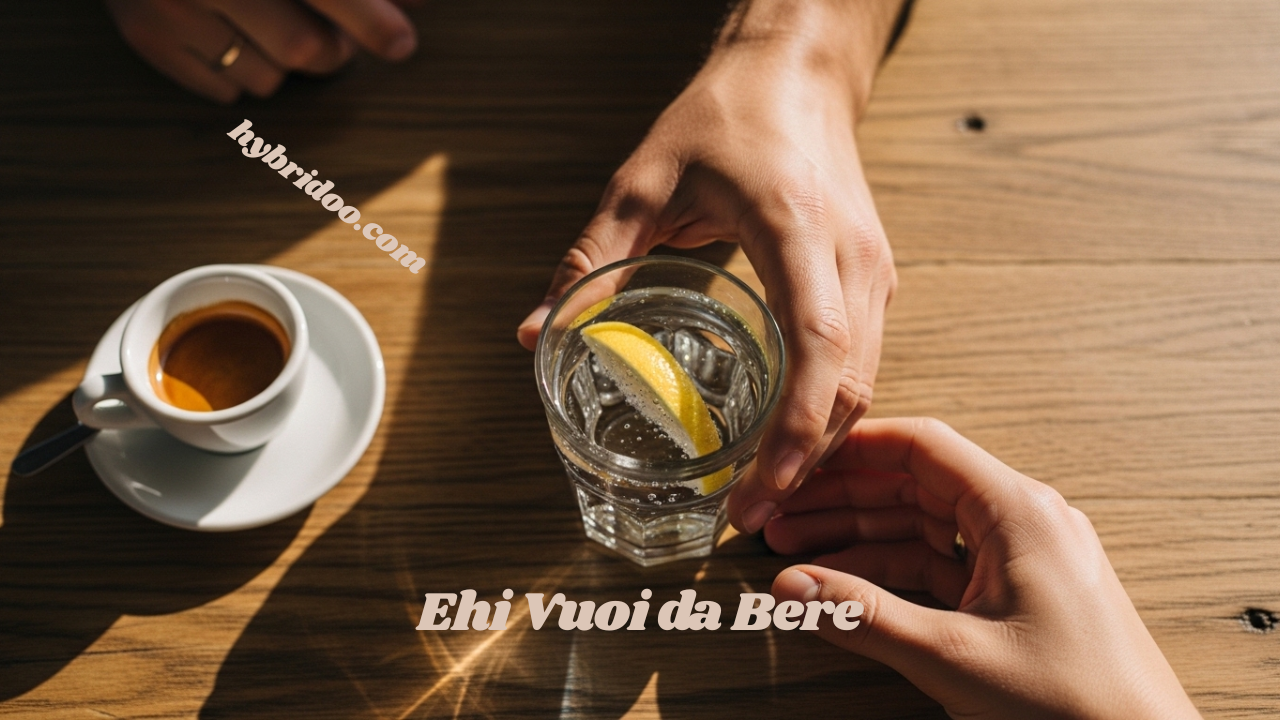
The phrase “Ehi, vuoi da bere?” is more than a simple offer of a drink. It’s a warm, familiar sound that echoes through Italian homes, bustling piazzas, and sun-drenched patios. It translates to “Hey, want something to drink?” but its true meaning is far richer. It’s an open door, an invitation to pause, a gesture of care that forms the bedrock of Italian ospitalità (hospitality). In this article, we’ll explore the cultural depth behind this simple question, the rituals of Italian drinking culture it represents, and how we can all incorporate its spirit of genuine connection into our daily lives.
The Cultural Weight of a Simple Offer
In Italy, the act of offering a drink is rarely just about quenching thirst. It’s a social ritual, a protocol of welcome. From the moment you cross the threshold of an Italian home, you are considered an ospite (guest), a role taken very seriously. The immediate offer—”Ehi, vuoi da bere? Caffè? Un bicchiere d’acqua? Un prosecco?”—serves multiple purposes:
-
It Breaks the Ice: It immediately provides a topic and a shared activity, easing any initial awkwardness.
-
It Shows Care: It demonstrates that the host is attentive to your basic comfort.
-
It Establishes a Timeline: Accepting a drink means you’re staying for a while. It marks the beginning of a visit, however short.
This practice is ingrained from childhood. It’s a model of generosity that teaches that sharing even the smallest things—a glass of water, a coffee—builds bridges. When an Italian friend casually asks, “Ehi, vuoi da bere?”, they are extending a branch of friendship and opening a space for conversation.
Beyond Water: The Landscape of the Italian “Bere”
The beauty of the question lies in its open-endedness. The answer dictates the occasion. Let’s decode the typical options and their social contexts.
The Everyday Anchors:
-
Acqua (Water): The most common and vital offer. It’s usually served natural (liscia) or sparkling (frizzante/gassata) and is a non-negotiable act of basic hospitality. It’s the answer to “I don’t want to trouble you,” to which any good host will reply, “Non è un disturbo!” (“It’s no trouble!”).
-
Caffè (Coffee): The backbone of Italian daily rhythm. An offer of coffee can mean:
-
Un caffè (Espresso): A quick, energizing pause, often consumed standing at a bar. At home, it’s a sign of a slightly longer, but still informal, chat.
-
Un caffè lungo or un Americano: A concession to different tastes, showing the host’s flexibility.
-
Un caffè corretto: An espresso “corrected” with a shot of grappa, sambuca, or other liquor—often an after-lunch digestif or an evening warmer.
-
The Social Catalysts:
-
Aperitivo: This is where “vuoi da bere?” truly shines. Between 6 PM and 9 PM, this ritual transforms the drink offer into a pre-dinner social event. The classic choices are:
-
Spritz (Aperol or Campari): The iconic Venetian aperitif, bitter, refreshing, and universally loved.
-
Prosecco: The celebratory sparkling wine from Veneto, synonymous with joy and toasting.
-
Negroni or Americano: For those who prefer a stronger, more complex bitter profile.
-
The genius of aperitivo is that the drink (da bere) is almost always accompanied by something to eat (da mangiare)—nuts, olives, small snacks—further fueling conversation.
-
-
Vino (Wine): At lunch or dinner, the offer shifts from “vuoi da bere?” to “vuoi del vino?”. Wine is food in Italy, an integral part of the meal. The host might offer a choice between rosso (red), bianco (white), or rosato (rosé), often from a local producer or even homemade.
The Digestive Conclusion:
-
Digestivo: After a meal, the offer might be for a digestivo—a liquor meant to aid digestion. This includes limoncello, grappa, amaro (bitter herbal liqueur), or sambuca. It signals the relaxing, concluding phase of the gathering.
The Unspoken Rules and Etiquette
Understanding the context of “ehi, vuoi da bere?” means navigating some gentle, unspoken rules:
-
The First Refusal is Often Ceremonial: In many settings, it’s polite to initially refuse (“No, grazie, non voglio disturbare”). The host is then expected to insist once or twice (“Ma dai, è già pronto!” / “Come on, it’s already made!”). This dance reinforces the sincerity of the offer.
-
It’s Often Reciprocal: The culture of do ut des (I give so that you may give) means that accepting a drink today implies you’ll offer one in return in the future. It’s a cycle of generosity.
-
The Setting Dictates the Drink: An offer at 11 AM is likely for a coffee. The same offer at 7 PM is likely for an aperitivo. Reading the time of day is key.
Bringing the Spirit of “Vuoi da Bere?” Into Your Life
You don’t need to be Italian or serve Italian drinks to embody the philosophy behind this phrase. It’s about mindset:
-
Prioritize Presence Over Perfection: The offer is about the person, not the sophistication of the drink. A thoughtfully made tea or a simple glass of cold water with lemon can carry the same weight as a fine wine if offered with genuine attention.
-
Create a Ritual of Pause: Use the act of preparing and sharing a drink as a forced pause in a hectic day. It’s a moment to disconnect from screens and reconnect with whomever you’re with.
-
Master the Art of the Home Bar: You don’t need a full bar. Having a few key options ready—a good coffee setup, a nice bottle of sparkling water, a preferred spirit for cocktails, and a non-alcoholic option like artisanal soda or infused water—makes you always ready to offer.
-
Ask the Question Sincerely: Next time someone visits, lead with a warm, “Hey, can I get you something to drink?” Make eye contact. Be prepared to offer at least two options. That simple act transforms a visitor into a guest.
A Global Phrase with a Local Heart
Interestingly, the phrase “ehi vuoi da bere” and its variations are often searched by travelers, Italophiles, and language learners trying to grasp authentic, conversational Italian. It’s a gateway phrase that opens up understanding of Italian daily life, much like “ciao” or “come stai.” It teaches that language is not just vocabulary and grammar, but a vehicle for culture, relationship-building, and shared human experience.
Conclusion: More Than a Drink, An Invitation to Connect
So, the next time you hear or say “ehi, vuoi da bere?”, remember it’s shorthand for a much larger idea. It means: “I see you. Your comfort matters to me. Let’s take a moment together.” In our fast-paced, often transactional world, this small gesture is a powerful antidote to isolation.
It reminds us that hospitality isn’t about grandeur; it’s about generosity of spirit. It’s about creating a small, welcoming space where conversation can flow as easily as the drink in hand. From the humble glass of water to the celebratory toast with prosecco, every offer is a thread in the fabric of human connection.