
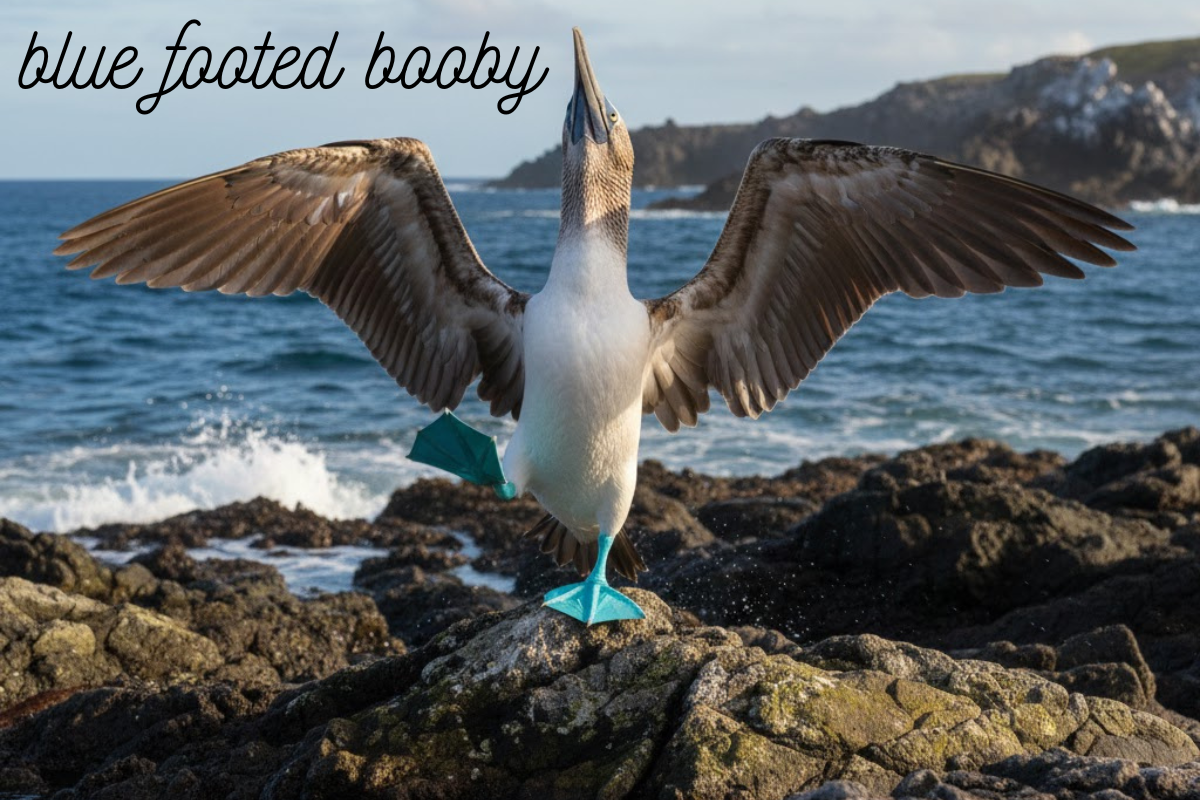
The blue-footed booby is a striking bird that captivates anyone lucky enough to witness its vibrant turquoise feet and unique behaviors. Found primarily on the Galápagos Islands, these charming seabirds are renowned for their fascinating daily routines. From intricate nesting rituals to their engaging feeding techniques, every aspect of their life offers insight into the wonders of nature. Join us as we explore a day in the life of the blue-footed booby, uncovering what makes this species truly special and how it navigates both challenges and joys in its environment. Whether it’s courtship dances or calls echoing across rocky shores, there’s much to discover about these remarkable birds.
A Day in the Life of a Blue-Footed Booby
A typical day for a blue-footed booby begins at dawn, as the sun rises over their coastal habitat. These birds are active during daylight hours, utilizing the morning light to hunt and socialize. With their keen eyesight, they scan the ocean’s surface for fish.
Once they spot potential prey, blue-footed boobies dive into action. They plunge through the water with remarkable precision and agility. After catching breakfast, these seabirds often return to their nesting sites to feed their young or rest before embarking on more fishing adventures.
Throughout the day, you can find them engaging in social interactions within colonies. Their distinctive calls resonate across rocky shores while pairs display courtship behaviors that strengthen bonds and ensure successful reproduction in this vibrant ecosystem.
Nesting Behavior
Blue-footed boobies exhibit fascinating nesting behavior. They typically nest on the ground, favoring rocky outcrops or sandy beaches in their coastal habitats. These birds often return to the same site year after year, establishing a strong connection with their chosen location.
Nesting usually begins with the female laying one to three eggs, which are pale blue or white. Both parents share incubation duties, ensuring that the eggs receive warmth and protection from predators. This teamwork plays a vital role in the survival of their chicks.
Once hatched, blue-footed booby chicks rely heavily on both parents for food and care. The adults provide regurgitated fish to nourish them until they fledge. This close-knit family dynamic not only strengthens bonds but also enhances chick survival rates in challenging environments.
Feeding Habits
The blue-footed booby is an adept hunter, primarily feeding on fish. Its diet mainly consists of sardines, mackerel, and other small marine creatures that thrive in nutrient-rich waters. The bird’s keen eyesight allows it to spot prey from high above.
Once a target is identified, the blue-footed booby performs spectacular diving techniques. It can plunge into the ocean at impressive speeds, using its streamlined body to efficiently catch fish underwater. This hunting strategy not only showcases their agility but also ensures they capture enough food to sustain themselves and their chicks.
These seabirds often hunt in groups, which increases their success rate. They may engage in cooperative fishing tactics or simply take advantage of each other’s finds. This social aspect of feeding highlights the adaptability and intelligence of these fascinating birds.
Mating Rituals
The mating rituals of the blue-footed booby are as vibrant as their striking feet. During courtship, males engage in elaborate displays to attract females. They puff out their chests, raise their wings, and perform a unique dance while showcasing those iconic blue feet. This performance is crucial; the brighter the color, the more appealing they appear.
Females closely observe these dances before making their choice. Once paired, couples may engage in mutual preening, reinforcing their bond and showing commitment. After selecting a mate, both partners work together to prepare for nesting.
These rituals extend beyond just attraction; they play a vital role in maintaining pair bonds throughout the breeding season. Successful mating ensures that both parents will be involved in raising chicks later on—an essential aspect of blue-footed booby life.
Communication and Interaction
Blue-footed boobies are incredibly social birds, known for their vibrant communication methods. They engage in a variety of vocalizations, from grunts to whistles. These sounds convey different messages and help maintain group cohesion.
Visual displays play an equally important role in their interactions. The iconic blue feet are not just for show; they signal health and vitality during mating rituals. Males perform elaborate foot lifts to attract females, showcasing the brightness of their coloring.
Moreover, these birds often engage in synchronized movements while nesting or feeding together. This cooperative behavior fosters strong bonds within colonies and enhances survival chances by improving foraging success. Their dynamic interactions create a lively atmosphere that reflects the unique charm of blue-footed boobies amidst the scenic landscapes they inhabit.
Threats and Conservation
The blue-footed booby faces several threats that jeopardize its survival. Habitat destruction, primarily due to human activities like tourism and development, has led to a decline in suitable nesting sites. These birds often rely on specific coastal areas for breeding, making them vulnerable to environmental changes.
Additionally, climate change poses significant challenges. Rising sea levels and changing ocean temperatures affect the availability of fish—crucial for their diet. As food sources dwindle, these iconic seabirds struggle to thrive in their natural habitats.
Conservation efforts are underway to protect the blue-footed booby population. Organizations work hard to establish marine protected areas and promote sustainable fishing practices. Engaging local communities is vital for ensuring long-term protection of these fascinating birds and their environment.
Habitat and Distribution
The blue-footed booby thrives in tropical and subtropical regions of the Pacific Ocean. Its primary breeding grounds are found on the Galápagos Islands, particularly Española and Genovesa. These remote islands offer a unique environment that supports their nesting habits.
Beyond the Galápagos, blue-footed boobies can be spotted along the coasts of Central America, including parts of Nicaragua and Costa Rica. Their distribution extends down to Peru and Ecuador as well. These areas provide abundant food sources essential for their survival.
These seabirds prefer coastal habitats with rocky shorelines or sandy beaches where they can easily access fish-rich waters for feeding. This combination of habitat diversity ensures that blue-footed boobies maintain healthy populations across their range while offering picturesque views for birdwatchers and nature enthusiasts alike.
Physiology and Adaptations
The blue-footed booby is a fascinating creature, perfectly adapted to its environment. Its striking blue feet serve not only as a visual display during mating rituals but also reflect the bird’s health and vitality. Bright coloration indicates a nutritious diet rich in fish, which plays a crucial role in attracting partners.
Physiologically, these birds are designed for life at sea. Their streamlined bodies allow for agile flight over water while their long wings provide lift and maneuverability during dives. With specialized eyesight, they can spot prey beneath the waves from great heights.
Additionally, their unique webbed feet make them exceptional divers; they plunge into the ocean with precision to catch fish like sardines and anchovies. This hunting technique showcases their evolutionary adaptations that enhance survival in marine ecosystems.
As climate change impacts ocean conditions and food availability, understanding these physiological traits becomes vital for conservation efforts aimed at protecting this remarkable species. Now more than ever, safeguarding their habitat ensures future generations can marvel at the blue-footed booby’s beauty and ecological importance.