
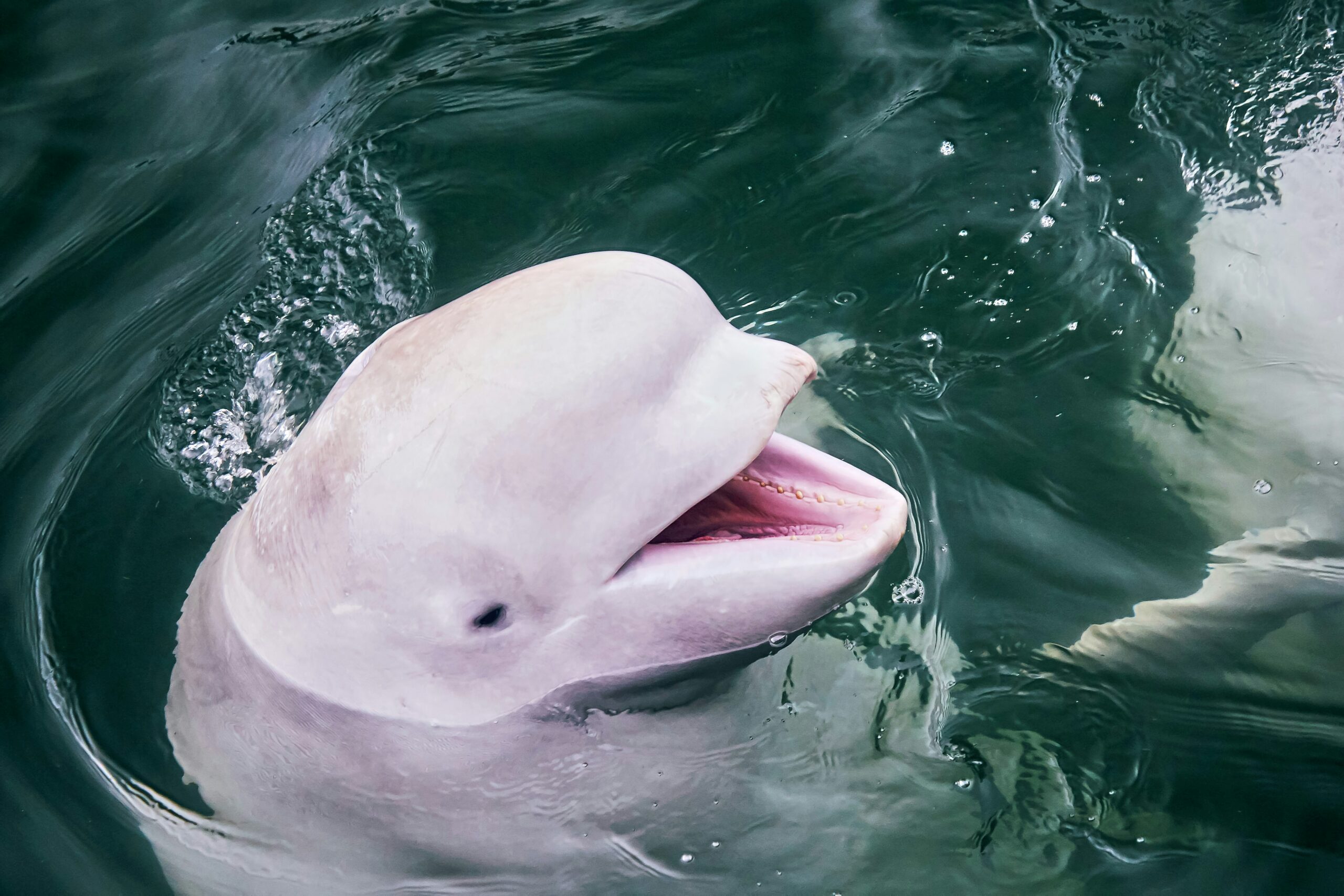
Introduction to the Pink River Dolphin
Deep within the lush waterways of the Amazon, a creature swims with an elegance that captures hearts and imaginations alike—the pink river dolphin. Known for its striking color and playful demeanor, this enchanting mammal is more than just a pretty face; it plays a vital role in its ecosystem. Often seen leaping gracefully from the water, these dolphins embody both mystery and charm. But beneath their captivating exterior lies a story of struggle against threats that could endanger their existence. Join us as we dive into the fascinating world of the pink river dolphin, exploring what makes them unique and why they deserve our protection.
Physical Characteristics and Habitat
The pink river dolphin, known scientifically as Inia, boasts a striking appearance that sets it apart from other cetaceans. Its skin ranges from a soft blush to vibrant pink hues, becoming more vivid with age and excitement. These dolphins possess a long snout filled with conical teeth, perfect for catching fish in their murky habitats.
Found primarily in the Amazon River Basin, these creatures thrive in freshwater environments. They inhabit rivers, lakes, and flooded forests where they can easily navigate through twisting waterways. While they prefer shallower regions teeming with vegetation, they are adaptable swimmers.
Their unique ability to turn their necks allows them to maneuver within dense aquatic plants effortlessly. This adaptability plays an essential role in their hunting strategy as they seek out prey among submerged roots and foliage of the Amazon’s rich ecosystem.
Social Behavior and Communication
The social behavior of the pink river dolphin is captivating. These intelligent creatures are known to exhibit playful and curious tendencies.
They often interact with one another in groups, which can vary in size from small pods to larger gatherings. During these interactions, dolphins engage in acrobatic displays, such as leaping out of the water or spinning playfully.
Communication among pink river dolphins is largely acoustic. They produce a variety of clicks and whistles that convey different messages. Each sound serves a purpose—whether it’s for navigation or signaling intentions within their social group.
Interestingly, they also use echolocation to locate prey and navigate through murky waters. This skill allows them to thrive in their complex aquatic environment.
Observing these interactions reveals how deeply connected they are with each other and their habitat. Their social structure plays a vital role in their overall survival.
Threats to the Species
The pink river dolphin faces numerous threats in its natural habitat. One of the most significant challenges is habitat loss due to deforestation and dam construction. These activities alter waterways, impacting the dolphins’ access to food and breeding grounds.
Water pollution also poses a serious risk. Chemicals and waste from agriculture and urban areas seep into rivers, causing harmful effects on aquatic life. This pollution can lead to illness or even death for these vulnerable creatures.
Illegal fishing practices further complicate their survival. Bycatch often ensnares pink river dolphins, leading to unintentional fatalities.
Additionally, climate change is altering water temperatures and reducing fish populations, disrupting the delicate balance of their ecosystem. As conditions worsen, adaptability becomes increasingly difficult for this unique species.
Human activity continues to encroach upon their environment, reminding us that urgent action is needed to protect these magnificent animals from extinction.
Conservation Efforts and Success Stories
Conservation efforts for the pink river dolphin have gained momentum in recent years. Organizations are working tirelessly to protect their habitats and educate local communities about these remarkable creatures.
One notable success story comes from Brazil, where a dedicated initiative focuses on sustainable fishing practices. By promoting eco-friendly methods, fishermen reduce bycatch, allowing dolphin populations to thrive alongside their fishery activities.
In Peru, researchers established protected zones in critical habitats along the Amazon River. These areas serve as sanctuaries against pollution and industrial development while providing safe breeding grounds for dolphins.
Community engagement has played a vital role too. Locals participate in monitoring programs that track dolphin sightings and health indicators. This grassroots approach fosters pride among residents while enhancing their understanding of preserving this iconic species.
The Importance of Protecting the Pink River Dolphin
Protecting the pink river dolphin is crucial for maintaining the health of Amazonian ecosystems. These dolphins are integral to their habitat, serving as indicators of water quality and biodiversity.
Their presence reflects the richness of life within rivers. Losing them would signal deeper environmental issues that can affect countless other species, including humans.
Additionally, the pink river dolphin holds cultural significance for local communities. They inspire folklore and traditional stories while fostering eco-tourism opportunities that benefit regional economies.
By safeguarding these graceful creatures, we not only preserve a unique species but also support sustainable practices in the region. Protecting them means ensuring future generations can enjoy their beauty and contribute to conservation efforts.
Promoting awareness about their plight can lead to stronger advocacy measures worldwide, making it essential for everyone to engage in protecting this remarkable marine mammal.
Conclusion
The pink river dolphin, with its striking hue and playful nature, represents the unique biodiversity of the Amazon. This enchanting creature not only captivates our imaginations but also plays a vital role in maintaining the health of aquatic ecosystems. As we learn more about these intelligent beings, it becomes increasingly clear that their survival is intertwined with our actions.
Protecting the habitats they call home can lead to significant improvements in their populations. Conservation efforts are crucial for ensuring future generations can witness the grace and beauty of pink river dolphins swimming through their native waters. By supporting initiatives focused on habitat restoration and responsible ecotourism practices, we contribute to safeguarding this species from extinction.
As stewards of our planet, it’s essential to recognize that every effort counts. The fate of the pink river dolphin rests not just on scientists or conservationists but on all of us who share an interest in protecting wildlife and preserving natural wonders for years to come. Engaging communities around sustainable practices fosters a deeper appreciation for these remarkable creatures while promoting coexistence between humans and nature.
Embracing responsibility towards preserving this iconic animal will ensure that pink river dolphins continue to thrive within one of Earth’s most diverse ecosystems—the Amazon River Basin—reminding us always why conservation matters so deeply.