
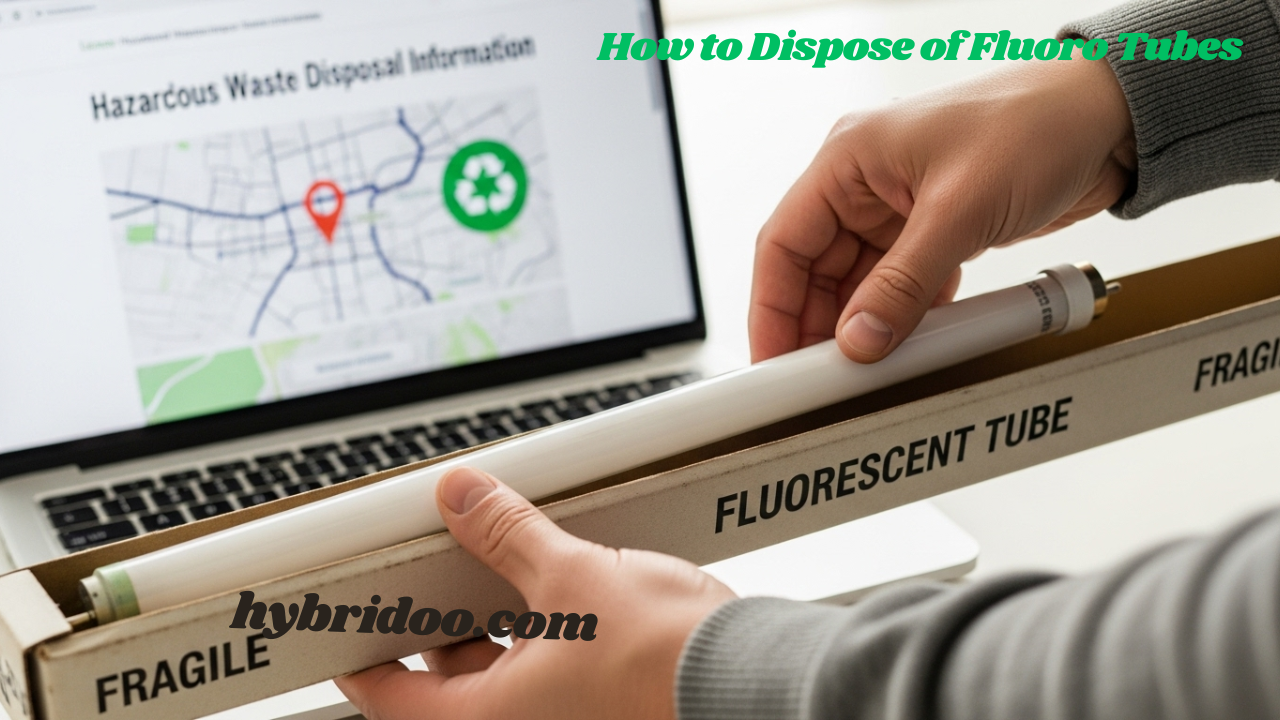
Navigating the world of fluorescent tube disposal can feel like walking through a minefield of regulations and potential hazards. You’re not alone if you’ve ever stood in your garage, holding a spent tube, wondering, “Can I just throw this in the trash?” The short, critical answer is no. Fluorescent tubes, including compact fluorescent lamps (CFLs), contain a small amount of mercury—a toxic heavy metal that poses significant risks to human health and the environment if released. This comprehensive, 1500-word guide will walk you through the correct, legal, and safe procedures for disposing of fluoro tubes, answering all your pressing questions.
Key Takeaways:
-
Never trash fluorescent tubes; they contain hazardous mercury and require special recycling.
-
Find drop-off points at Household Hazardous Waste (HHW) facilities, major retailers, or through mail-back kits.
-
Call your local “tip” or recycling centre ahead to confirm they accept tubes.
-
A broken tube requires immediate, careful cleanup and must be taken to a hazardous waste facility.
Why Proper Fluorescent Tube Disposal is Non-Negotiable
Before diving into the “how,” it’s essential to understand the “why.” Fluorescent tubes are energy-efficient wonders, but their environmental cost comes at the end of their life.
The Mercury Problem: Each tube contains approximately 3-5 milligrams of mercury vapor sealed within the glass. While minimal in one tube, the cumulative effect of millions of tubes rotting in landfills is devastating. Mercury is a potent neurotoxin. If a tube shatters in a landfill, mercury can leach into soil and groundwater, eventually entering the food chain. When incinerated with regular trash, mercury is released into the atmosphere, contributing to air pollution.
Recycling Benefits: Beyond preventing pollution, recycling fluorescent tubes reclaims valuable materials. Nearly 100% of a tube’s components can be recovered and reused:
-
Glass (88%): Repurposed for new tubes or other glass products.
-
Metals (5%): End caps and wiring, usually aluminum, are recycled.
-
Phosphor Powder (4%): Often contains rare-earth elements; mercury is carefully distilled and purified for reuse in new lamps or other industrial processes.
Understanding this context transforms disposal from a chore into a critical environmental responsibility.
What is the Correct Procedure for Disposing of Fluorescent Tubes?
The correct procedure is a multi-step process focused on safety, legality, and environmental stewardship. Follow this step-by-step guide.
Step 1: Safe Handling and Storage
Never casually toss used tubes into a cardboard box.
-
Handle with Care: Always hold tubes by the ends to avoid pressure on the glass. Avoid twisting or bending.
-
Use Original Packaging: The safest way to store spent tubes is in their original cardboard sleeves and box. If unavailable, use a sturdy cardboard box, cushioning tubes with newspaper or bubble wrap. Never tape tubes together.
-
Label Clearly: Mark the storage box “Broken Glass – Used Fluorescent Lamps for Recycling.”
-
Store Securely: Keep the box in a dry, safe place away from high traffic areas, children, and pets until you have enough for a recycling trip.
Step 2: Locate an Authorized Recycling Drop-Off Point
This is the core of correct disposal. Fluorescent tubes require specialized recycling.
-
Local Household Hazardous Waste (HHW) Facilities: Most municipalities operate HHW collection sites where residents can drop off tubes, batteries, paints, and chemicals for free.
-
Retail Take-Back Programs: Major retailers like Home Depot, Lowe’s, and IKEA often offer in-store recycling bins for CFLs and sometimes longer tubes. Always call your local store ahead to confirm.
-
Electrical Wholesalers or Lighting Suppliers: Many businesses that sell fluorescent lighting also accept dead tubes for recycling.
-
Find a Recycler: Use online locator tools. In the US, Earth911.com or LampRecycle.org are excellent resources. In the UK, use Recycle-More.co.uk. In Australia, search for “fluorescent tube recycling” via your local council website.
Step 3: Transport Safely to the Facility
-
Secure the box in your vehicle to prevent sliding or tipping.
-
Drive directly to the drop-off location.
Step 4: Drop Off and Follow Instructions
Hand your tubes to the attendant or place them in the designated bin. You’ve now completed the correct disposal procedure.
How Do You Dispose of Fluorescent Tubes? Exploring Your Options
The “how” depends on your location, the quantity you have, and whether the tubes are intact or damaged.
For Homeowners & Small Quantities:
-
Municipal HHW Collection: Your primary and often free option.
-
Retail Drop-Off: Convenient for a few CFLs or short tubes.
-
Mail-Back Recycling Kits: For those in remote areas, pre-paid kits are available online. You fill a specially designed container and ship it to a recycling center.
-
Scheduled Pick-Up Events: Many towns host annual or semi-annual HHW collection events.
For Businesses & Large Quantities:
Businesses are legally obligated to manage fluorescent tube waste as universal waste under EPA (and similar) regulations.
-
Commercial Recycling Services: Contract with a licensed hazardous waste or lighting recycler. They provide storage containers, pick-up schedules, and certified recycling documentation—crucial for your regulatory compliance.
-
Bulk Drop-Off: Some recycling centers accept large volumes from businesses for a fee.
Key Takeaway: The method for “how to dispose of fluorescent tubes” is universal: find a certified recycler. The pathway to that recycler varies.
Can I Take Fluorescent Tubes to the Tip?
This is one of the most common questions. The answer is: It depends entirely on your local facility’s specific policies.
In the UK, Australia, and elsewhere, “the tip” (or the Household Waste Recycling Centre – HWRC) is often the go-to for difficult waste.
-
Yes, If… The tip has a designated hazardous waste or lamp recycling section. A growing number do. You must declare them at the gatehouse and follow staff instructions. Do not place them in the general skip or glass bin.
-
No, If… The tip is not equipped to handle hazardous materials. They will turn you away.
What You Must Do:
-
Check Online: Visit your local council’s website and search for “fluorescent tube recycling” or “HWRC accepted items.”
-
Call Ahead: A quick phone call can save you a wasted trip. Ask: “Do you accept fluorescent tubes for recycling?”
-
Prepare for Potential Fees: Some tips charge a small fee for hazardous item disposal, while others offer it as a free service for residents.
Never assume. A tip that took your old TV may not take your fluoro tubes. Verification is key.
Can Damaged Fluorescent Tubes Be Disposed of Anywhere?
Absolutely not. A broken fluorescent tube is a more urgent hazardous material situation and requires a specific cleanup and disposal protocol. Do not sweep it into the regular trash.
Immediate Cleanup Procedure for a Broken Tube:
-
Evacuate and Ventilate: Have people and pets leave the room immediately. Open windows and doors to ventilate the area for at least 10-15 minutes before cleaning. Turn off central air/heating to prevent mercury vapor spread.
-
Gather Supplies: Stiff cardboard or paper, duct tape, damp paper towels, a glass jar with a metal lid (or a sealable plastic bag), and a flashlight.
-
Careful Cleanup:
-
Do NOT use a vacuum or broom (will spread mercury vapor and powder).
-
Use cardboard to scoop up large glass fragments.
-
Use duct tape to pick up fine shards and powder.
-
Wipe the area with damp paper towels.
-
Use a flashlight to check for tiny glistening particles.
-
-
Containment: Place all cleanup debris (glass, tape, towels) into the glass jar or sealable plastic bag.
-
Disposal of Cleanup Waste: This bag/jar must now be treated as hazardous waste. Take it to your HHW facility or authorized recycler. Inform them it contains a broken fluorescent tube. Some locations have specific drop-off points for “broken lamps.”
What NOT to Do with a Damaged Tube:
-
Do not put it in any regular household bin.
-
Do not attempt to recycle it through your curbside glass recycling.
-
Do not pour debris down the drain.
-
Do not bury it.
Beyond Disposal: Proactive Steps and FAQs
Q: Are LED tubes a better alternative?
A: Yes. LED tubes contain no mercury, use even less energy, last longer, and are often recyclable as electronic waste (e-waste). When your fluorescent fixtures fail, consider retrofitting to LED as a safer, long-term solution.
Q: I only have one tube. Is it really that big a deal?
A: Yes. One tube improperly discarded contributes directly to environmental contamination. Furthermore, recycling one tube sets the right habit and precedent.
Q: What about the plastic wrap on some tubes?
A: This is usually a protective coating to contain shards if the tube breaks. It can typically be left on for recycling, but check with your specific recycler.
Your Call to Action: Be the Change
You now hold the knowledge to dispose of fluorescent tubes responsibly. The process is straightforward once you know the steps:
-
Handle and store spent tubes safely.
-
Locate your nearest authorized drop-off point using online tools or a phone call.
-
Transport and deliver them to ensure they are processed correctly.
Don’t let convenience trump responsibility. The five minutes it takes to find a recycler protects the health of waste workers, your community’s environment, and our shared planet. Bookmark this guide, share it with a friend, or take action right now: open a new browser tab and search for “[Your City/Town] fluorescent tube recycling” to find your local solution.