
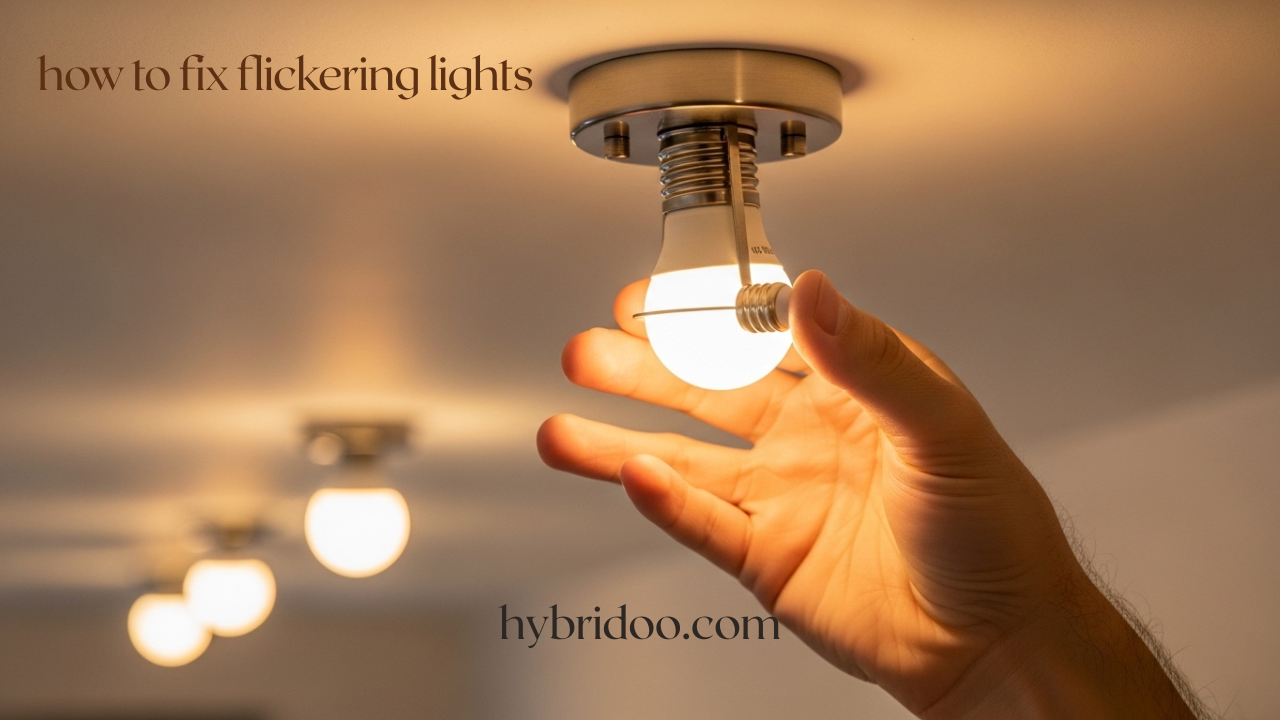
Flickering lights can turn a cozy evening into an unsettling experience in no time. That annoying strobe effect might seem harmless, but it often signals underlying issues that need attention. Whether you’re dealing with the occasional flicker or multiple lights dancing around your home, it’s crucial to understand what’s going on. Let’s dive deep into how to fix flickering lights and restore peace to your living space!
How to Fix Flickering Lights
To fix flickering lights, start by checking the light bulbs. Ensure they’re securely screwed in or replace them if needed. Next, inspect switches and connections for looseness. If problems persist, evaluate your circuit load and wiring quality. Addressing these aspects can significantly reduce flickering and improve overall lighting stability in your home.
Understanding the Causes of Flickering Lights
Flickering lights can be frustrating and distracting. Various factors contribute to this issue, from simple bulb problems to more complex electrical issues. Understanding these causes helps in pinpointing the source of the flickering. Identifying whether it’s a light bulb, wiring, or circuit issue is crucial for effective solutions moving forward.
Flickering Due to Light Bulb Issues
Flickering lights often stem from light bulb issues. Loose bulbs can create inconsistent connections, causing them to flicker. Additionally, using the wrong wattage or incompatible bulb types may lead to a strobe effect. Swapping out old or faulty bulbs for new ones is an easy fix that might restore steady illumination in your space.
Faulty Light Switches and Loose Connections
Faulty light switches and loose connections can lead to frustrating flickering lights. A worn-out switch may not make proper contact, causing intermittent power flow. Similarly, loose wiring connections might disrupt electricity delivery. Inspecting these components is essential; a simple tighten or replacement could restore your lighting to its steady glow without hassle.
Overloaded Circuit Problems
Overloaded circuits occur when too many devices draw power from a single circuit. This can lead to flickering lights and even tripped breakers. If multiple appliances are used simultaneously on the same circuit, consider redistributing the load or upgrading your electrical system. Keeping track of your energy use helps maintain consistent lighting throughout your home.
Problems with Outdated House Wiring
Outdated house wiring can lead to flickering lights, posing safety hazards. Older systems may not handle modern electrical demands. Frayed wires or insufficient grounding can exacerbate the issue. If your home has not been updated in decades, it’s wise to consider an electrical inspection for peace of mind and a brighter living space.
Voltage Fluctuations and Power Supply Issues
Voltage fluctuations can cause lights to flicker unexpectedly. This may stem from issues with the power supply or external factors like storms and downed lines. Appliances drawing excessive energy can also create instability in your electrical system, leading to erratic light behavior that might indicate deeper problems needing attention.
Addressing Flickering Lights in Your Home
To tackle flickering lights, start by checking the bulbs. Ensure they are securely fitted and compatible with your fixtures. If that doesn’t help, inspect switches and connections for damage or looseness. For persistent issues, look at circuit overloads or outdated wiring. Addressing these areas can significantly reduce flickering in your home lighting.
Simple Solutions for Flickering Lights
Start by tightening the light bulb in its socket; a loose connection may be the culprit. If that doesn’t work, try replacing it with a new bulb. For dimmers, ensure they’re compatible with your bulbs. Consider using LED lights as well; they often resist flickering and can enhance energy efficiency throughout your home.
Identifying More Serious Reasons for Flickering Lights
If flickering lights persist after simple fixes, it may signal deeper issues. Faulty wiring or damaged circuits can pose fire hazards. An overloaded circuit might also indicate insufficient power supply for your home’s demands. Always pay attention to unusual behavior, as underlying electrical problems could threaten safety and require urgent professional intervention.
Selecting the Right Light Bulbs to Prevent Flickering
Choosing the right light bulbs can significantly reduce flickering issues. Opt for LED bulbs that are compatible with your fixtures and dimmers. Look for high-quality brands known for stability. Ensure wattage matches your fixture’s rating to prevent overloads, which can lead to flickering. Always check product specifications before purchasing to avoid future headaches.
When to Seek Professional Help for Flickering Lights
If flickering lights persist after trying simple fixes, it’s time to call a professional. This is especially true if multiple lights are affected or if the flickering accompanies power surges. A licensed electrician can diagnose underlying issues like faulty wiring or overloaded circuits, ensuring your home remains safe and well-lit.
Upgrading to LED Lights as a Permanent Fix
Upgrading to LED lights can effectively eliminate flickering issues. These energy-efficient bulbs have a longer lifespan and are less prone to voltage fluctuations. With their consistent brightness, they reduce the chances of annoying flickers in your home. Making the switch not only enhances lighting quality but also helps save on electricity bills over time.
multiple lights flickering in house
If multiple lights are flickering in your house, it can indicate a more significant electrical issue. This could be linked to overloaded circuits or problems with the wiring. It’s essential to monitor which rooms are affected and consider checking for loose connections or faulty switches that may require attention before they lead to bigger problems.
is a flickering light bulb dangerous
A flickering light bulb can be more than just an annoyance. It may indicate underlying electrical issues, such as loose wiring or overloaded circuits. These problems could pose fire hazards if left unaddressed. Always monitor flickering bulbs closely and investigate further to ensure safety in your home environment. Your well-being is paramount.
ceiling light flickering
Ceiling light flickering can be both annoying and concerning. It often points to issues like a loose connection or faulty wiring. You may also experience it with incompatible bulbs. Observing patterns in the flickering can help identify the root cause, making troubleshooting easier before seeking further assistance if needed.
what does flickering lights mean spiritually
Flickering lights often symbolize a connection to the spiritual realm. Many believe they indicate the presence of spirits or guides trying to communicate. This phenomenon can represent shifts in energy, heightened intuition, or messages from beyond. Pay attention to your surroundings and feelings during flickers; they may carry significant meaning for you on your journey.
are flickering led lights dangerous
Flickering LED lights can be annoying, but they are generally not dangerous. However, consistent flickering may indicate underlying electrical issues that require attention. If the flickering persists or is accompanied by other problems like tripped breakers or burning smells, it’s wise to consult a professional electrician to ensure safety in your home.
why are my lights flickering in one room
If your lights are flickering in just one room, it could be a sign of loose wiring or a faulty switch. Sometimes, it’s as simple as a burned-out bulb that needs replacing. Other times, the issue may stem from overloaded circuits. Identifying the source is key to resolving this annoying problem quickly.
lights flickering in house spiritual meaning
Many believe that flickering lights in a house can signify spiritual messages or the presence of energy. Some interpret it as a sign from loved ones who have passed, while others see it as an indication of heightened energy or changes in one’s life. The experience often evokes curiosity and reflection on personal circumstances.
is a flickering light bulb dangerous when turned off
A flickering light bulb that is turned off typically isn’t dangerous. However, it may indicate underlying electrical issues. While the bulb itself poses no immediate threat when powered down, it’s wise to investigate any persistent flickering during use. This could prevent potential hazards like short circuits or electrical fires in your home.
how to fix flickering lights samsung
If you’re experiencing flickering lights with your Samsung device, first check for software updates. Ensure all connections are secure and reset the device if necessary. Sometimes, a simple power cycle can resolve issues. If problems persist, consult the user manual or contact Samsung support for tailored troubleshooting steps to get your lights back on track.
FAQs
Flickering lights can raise many questions. How do you stop them? What causes this annoying issue? Can it be fixed easily? Is it safe to ignore a flickering light bulb? These common concerns often need straightforward answers to help homeowners feel more at ease about their lighting problems and solutions.
How do you stop lights from flickering?
To stop lights from flickering, start by checking the light bulbs. Make sure they are securely installed or replace them if needed. Inspect switches and connections for loose wiring. If problems persist, consider reducing the load on your circuit or upgrading to LED lights that offer better stability and performance.
What causes lights to flicker?
Lights can flicker due to several reasons. Common causes include faulty light bulbs, loose connections in wiring, or issues with light switches. Additionally, overloaded circuits and outdated house wiring can lead to fluctuations. Voltage irregularities from the power supply may also contribute to this annoying phenomenon, disrupting your home’s lighting consistency.
Can flickering lights be fixed?
Yes, flickering lights can often be fixed. Common solutions include replacing light bulbs, tightening loose connections, and checking your circuit breakers. If the issue persists, it may indicate a more serious problem that requires professional assistance. Addressing these issues promptly ensures safety and improves your home’s overall electrical performance.
Is it safe to ignore a flickering light?
Ignoring a flickering light can lead to bigger problems. While it may seem minor, it might indicate underlying issues in your electrical system. Flickering lights could point to faulty wiring or overloaded circuits, which can be hazardous.
If you notice persistent flickering, it’s wise to address the issue promptly. Safety should always come first when dealing with electrical concerns. Don’t wait until a small problem turns into something more serious. Consider troubleshooting or seeking professional help if necessary for peace of mind and safety at home.