
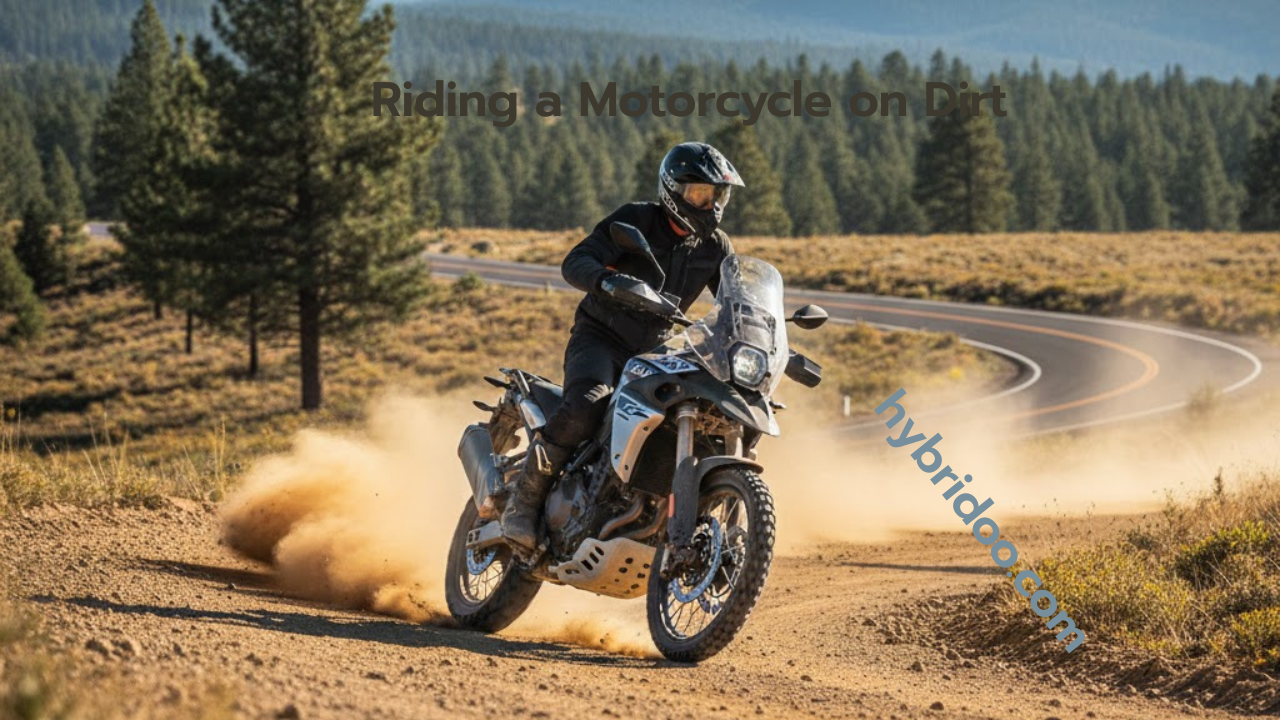
Introduction: Answering the Call of the Trail
For many motorcyclists, the smooth predictability of asphalt eventually gives way to the allure of the unknown—the winding forest trail, the rocky mountain path, the vast expanse of open desert. Riding a motorcycle on dirt represents the purest form of two-wheeled adventure, a skill that unlocks a world inaccessible to street-only riders. Yet, transitioning from pavement to loose terrain is more than just a change of scenery; it’s a completely different discipline requiring specific knowledge, techniques, and equipment. Whether you’re a curious street rider, a complete beginner drawn to off-road sports, or someone looking to hone their trail skills, this guide provides the essential roadmap for your journey into the dirt.
Choosing the Right Steed for the Terrain
Your first and most crucial decision is selecting an appropriate motorcycle. A bike built for the street will struggle, and potentially put you at risk, on unforgiving off-road terrain. Understanding the different categories is key to a safe and enjoyable start.
Types of Off-Road & Dual-Purpose Motorcycles
| Motorcycle Type | Primary Use | Key Characteristics | Best For |
|---|---|---|---|
| Dirt Bike | Off-road only | Lightweight (often under 250 lbs), aggressive knobby tires, high ground clearance, minimal bodywork. | Motocross, dedicated trail riding, technical off-road. Often not road-legal without modifications. |
| Dual-Sport | On & Off-road | Road-legal with lighting, versatile tires, more manageable weight than adventure bikes, reliable torque. | Beginner-friendly exploration, connecting paved roads to trailheads, versatile riding. |
| Adventure Bike | On-road, Light Off-road | Larger and heavier (often 500+ lbs), comfortable for long distances, more road-biased performance. | Long-distance touring with occasional gravel or dirt road excursions. Can be challenging for true off-road beginners. |
For most new riders, a dual-sport motorcycle or a dedicated trail bike in the 125cc to 250cc range is the ideal starting point. This size offers manageable power that won’t intimidate, enough torque for trails, and a lighter weight that is easier to control and pick up after the inevitable tip-over.
Key Buying Considerations
-
Engine Size (Displacement): A 250cc four-stroke is widely considered the “sweet spot” for adult beginners, providing enough power to grow into without being overwhelming.
-
Weight: Lighter is always better off-road. Look for a bike you can realistically maneuver and lift. A bike under 250 pounds is a great target for beginners.
-
Seat Height: You must be able to touch the ground confidently. Ideal seat heights for most adults range from 34 to 37 inches.
-
Purpose: Be honest about where you’ll ride. A smooth, predictable trail bike like a Honda CRF230F or Yamaha TTR-230 is perfect for learning, while a more aggressive motocross bike is suited for track riding.
Mastering the Essential Dirt Riding Techniques
Successfully riding a motorcycle on dirt requires unlearning some pavement habits and embracing new fundamentals.
1. Body Position: The Foundation of Control
On the street, you lean with the bike. On the dirt, you often need to counterbalance. For slow, tight turns or slippery conditions, shift your weight to the outside of the turn, keeping the bike more upright to maintain traction. Stand up on the footpegs whenever possible! A proper attack position—knees bent, elbows up, torso neutral—allows the bike to move beneath you and gives you maximum control over obstacles.
2. Throttle and Momentum: Your Best Friends
Smooth, consistent throttle application is critical. In tricky situations like climbing a muddy slope, maintaining momentum is often the difference between climbing cleanly and getting stuck. Too little speed can cause the wheels to break traction and dig in. Trust the bike to find grip, and use a steady hand.
3. Braking: Rear Wheel Dominance
Forget hard front brake grabs. On loose surfaces, the rear brake is your primary tool for slowing and controlling slides. Learn to modulate it gently. Locking the front wheel on gravel or sand will usually result in a quick fall. Use both brakes together, but focus on developing sensitive rear brake control.
4. Vision: Look Where You Want to Go
This rule is magnified off-road. Your bike will tend to go where you fix your gaze. Look past the immediate obstacle—the rock, the rut, the puddle—and focus on your chosen path through it. This helps you maintain balance and direction.
Getting Started: Your First Steps onto the Dirt
1. Gear Up for the Occasion
Off-road riding is physically demanding and involves more frequent contact with the ground. Essential protective gear includes:
-
DOT-compliant helmet & goggles
-
Motocross/jersey, pants, and gloves
-
Sturdy, over-the-ankle boots
-
Chest protector and knee/elbow guards
2. Find a Legal Place to Ride
Never ride on private property without permission. Seek out designated Off-Highway Vehicle (OHV) areas, national forests with trail systems, or private motocross tracks. Organizations like your state’s parks department or local riding clubs are excellent resources.
3. Take a Formal Training Course
This is the single best investment you can make. The Motorcycle Safety Foundation’s (MSF) DirtBike School is a perfect one-day introduction for riders as young as six, teaching basic skills in a controlled, safe environment. For adults, certified coaches offer instruction on everything from clutch control and turning to navigating hills and obstacles. Professional instruction builds confidence and safe habits from day one.
4. Start Simple and Preserve Energy
Your first ride should be on easy, flat terrain. Focus on feeling the traction (or lack thereof) and getting used to the bike’s weight. Conserve your energy. Fighting the bike and tensing up will exhaust you quickly. If you feel tired or frustrated, take a break. A relaxed rider is a safe, effective rider.
Navigating Common Off-Road Challenges
-
Ruts: These parallel tracks can trap your wheels. The best technique is often to ride the center crown between them if possible, giving you an escape route. If you must enter a rut, commit to it, look ahead, and maintain steady throttle.
-
Hills: For uphill climbs, carry momentum and shift your weight forward. If you lose momentum, use a controlled K-turn to turn around and descend. When going downhill, stay off the front brake, use rear brake modulation, and shift your weight rearward.
-
Sand and Mud: Lower your tire pressure significantly (as low as 12 psi in emergencies) for a larger contact patch and better flotation. Stand up, keep your speed steady, and let the bike move under you while you look for the firmest line.
-
Tires Matter: The stock “dual-sport” tires on many bikes are a compromise. If you plan to spend serious time off-road, investing in a set of aggressive, knobby tires will transform your bike’s grip and capability.
Conclusion: The Adventure Awaits
Riding a motorcycle on dirt is a journey that rewards patience and practice. It will challenge you, humble you, and ultimately provide an immense sense of freedom and accomplishment. The path forward is clear: start with the right bike for your goals, invest in quality protective gear and professional training, and practice the fundamental techniques in a safe, legal area.
The trails are calling. Your adventure begins not with a twist of the throttle, but with a commitment to learning the craft.