
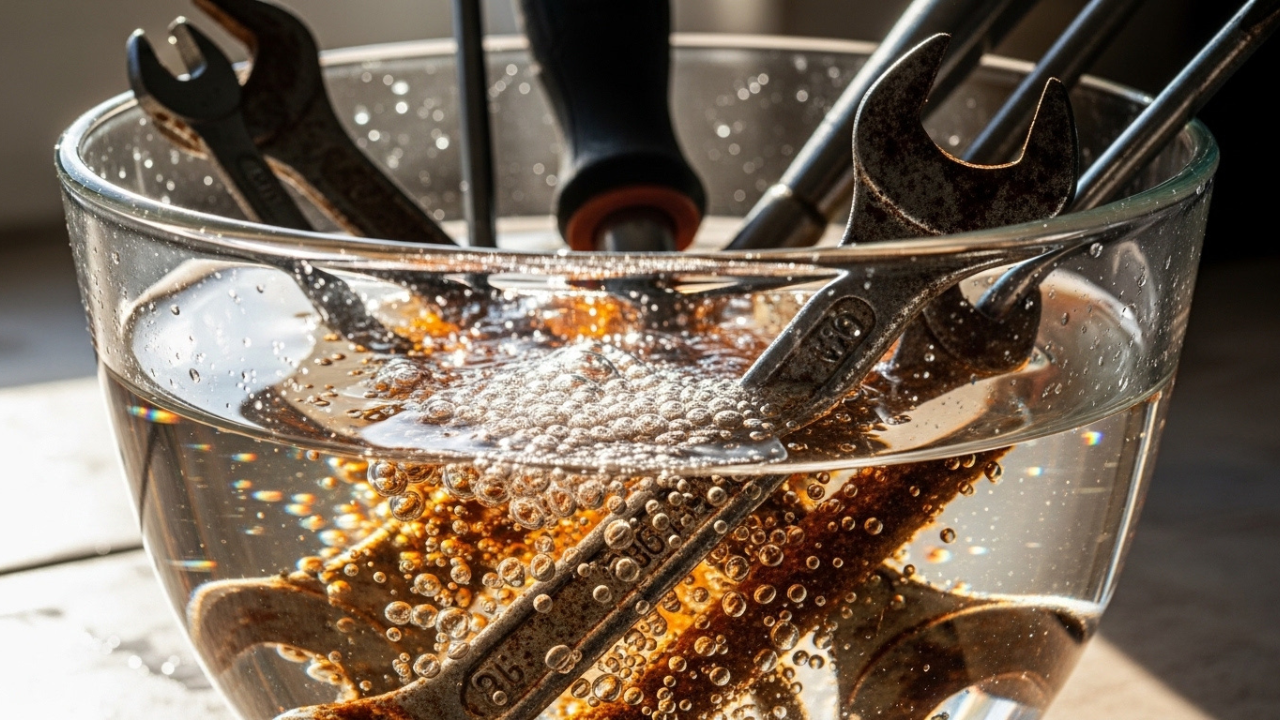
Learn how to remove rust effectively using white vinegar. This easy DIY guide covers step-by-step methods, tips for soaking and scrubbing, and natural, safe solutions for restoring your tools, kitchenware, and metal surfaces to their original shine.
Introduction to White Vinegar for Rust Removal
Are you tired of seeing those unsightly rust stains on your favorite tools or garden furniture? You’re not alone. Rust can be a pesky problem that sneaks up on anyone, but the good news is that you don’t need harsh chemicals to tackle it. Enter white vinegar—a natural and effective solution for rust removal. Not only is it gentle on your belongings, but it’s also easy to find in any pantry! This guide will walk you through the simple steps to harness this kitchen staple and restore your items back to their former glory. Let’s dive into the world of rust removal with white vinegar and discover how effortless DIY cleaning can be!
Benefits of Using White Vinegar for Rust Removal
Using white vinegar for rust removal offers several advantages that make it a popular choice. First, it’s an eco-friendly solution. Unlike harsh chemicals, white vinegar is safe for both the environment and your health. It won’t release toxic fumes or leave harmful residues on surfaces.
Another benefit is its cost-effectiveness. White vinegar is inexpensive and readily available at most grocery stores. You won’t need to invest in expensive products when you have this versatile item in your pantry.
Additionally, white vinegar’s acidity effectively breaks down rust without damaging metal surfaces if used correctly. This makes it ideal for restoring tools, appliances, and even automotive parts without the risk of corrosion or further deterioration that some commercial cleaners may cause.
Step-by-Step Guide for Removing Rust with White Vinegar
Removing rust with white vinegar is a straightforward process that anyone can tackle. Start by gathering your tools and materials, which include white vinegar, a container for soaking, and some scrubbing pads or brushes. Depending on the size of the rusty item, you might use a spray bottle or soak it directly in vinegar.
Once you have everything ready, apply white vinegar generously to the rusted area. If you’re using a spray bottle, ensure even coverage. For larger items like tools or furniture parts, submerge them completely in the container filled with vinegar.
After allowing the item to sit for several hours—or overnight if needed—check on its progress. The acetic acid will work magic on those stubborn rust spots! Then it’s time to scrub away that loosened rust and reveal a cleaner surface beneath.
Tools and Materials Needed
To effectively remove rust with white vinegar, you’ll need a few essential tools and materials. Start with white vinegar itself; it’s the star of this DIY project. Choose a container that is large enough to hold the items you want to treat, like an old bucket or bowl.
Next, grab some scrub brushes or steel wool pads. These will help you tackle tough rust stains on various surfaces. If you’re working on smaller items, consider using an old toothbrush for precision cleaning.
Have some baking soda handy for neutralizing the acid after you’ve removed the rust. It’s also wise to keep a soft cloth or towel nearby for drying off your cleaned items and applying any finishing touches afterward. With these tools in hand, you’re well-equipped to get started!
Applying White Vinegar to Remove Rust
To start the rust removal process, pour white vinegar into a bowl or spray bottle. If you’re dealing with smaller items, soaking them directly in the vinegar is ideal. For larger surfaces, applying vinegar using a cloth or spray ensures even coverage.
Let the vinegar sit on the rusted area for at least 30 minutes. This allows the acetic acid in the vinegar to penetrate and break down any corrosion effectively. Keep an eye on it—some stubborn rust might require longer exposure.
After soaking, you’ll notice that the rust begins to soften and lift away from your item’s surface. If necessary, reapply more vinegar for heavily corroded areas to maximize effectiveness before scrubbing.
Scrubbing Techniques
When it comes to scrubbing away rust, the right technique makes all the difference. Start with a gentle approach using a non-abrasive scrub pad or cloth. This helps prevent scratching while effectively lifting the rust from surfaces. Dampen your scrubber with white vinegar for better results.
For tougher spots, consider using an old toothbrush or steel wool. These tools can reach crevices and stubborn areas where rust tends to cling tightly. Apply moderate pressure; you want to remove the rust without damaging the underlying material.
Always rinse frequently during this process. It’s essential to remove any loosened particles and keep your work area clean. After scrubbing, dry off the item completely to avoid new rust formation before moving on to polishing or other treatments.
Neutralizing the Acid
After using white vinegar for rust removal, it’s essential to neutralize the acid. Vinegar is acidic, and while it effectively removes rust, you want to ensure any residue doesn’t damage your metal surfaces over time.
To neutralize the acid, rinse the item thoroughly with water. This step helps wash away any remaining vinegar and prevents further corrosion. Make sure to use plenty of water so that all traces are eliminated.
For added protection, consider applying a baking soda solution after rinsing. Mix one tablespoon of baking soda with a cup of water and wipe down the surface. This will help balance out any lingering acidity, ensuring your metal remains safe from future rust problems.
Final Polishing and Maintenance Tips
After you’ve successfully removed rust using white vinegar, it’s essential to maintain the newly restored surface. Start by rinsing off any remaining vinegar and rust residue with clean water. Make sure to dry the item thoroughly to prevent new rust from forming.
Consider applying a protective coat of oil or wax on metal items to shield them from moisture and air exposure. For tools, a light layer of mineral oil can work wonders in warding off future corrosion.
Regular maintenance is also crucial. Clean your metal objects periodically and check for signs of rust development early on. A quick wipe down with a cloth soaked in white vinegar can help keep things in pristine condition over time.
By incorporating these practices into your routine, you can enjoy long-lasting protection against rust while keeping your items looking great. Embrace the natural power of white vinegar for effective rust removal and ongoing maintenance!