
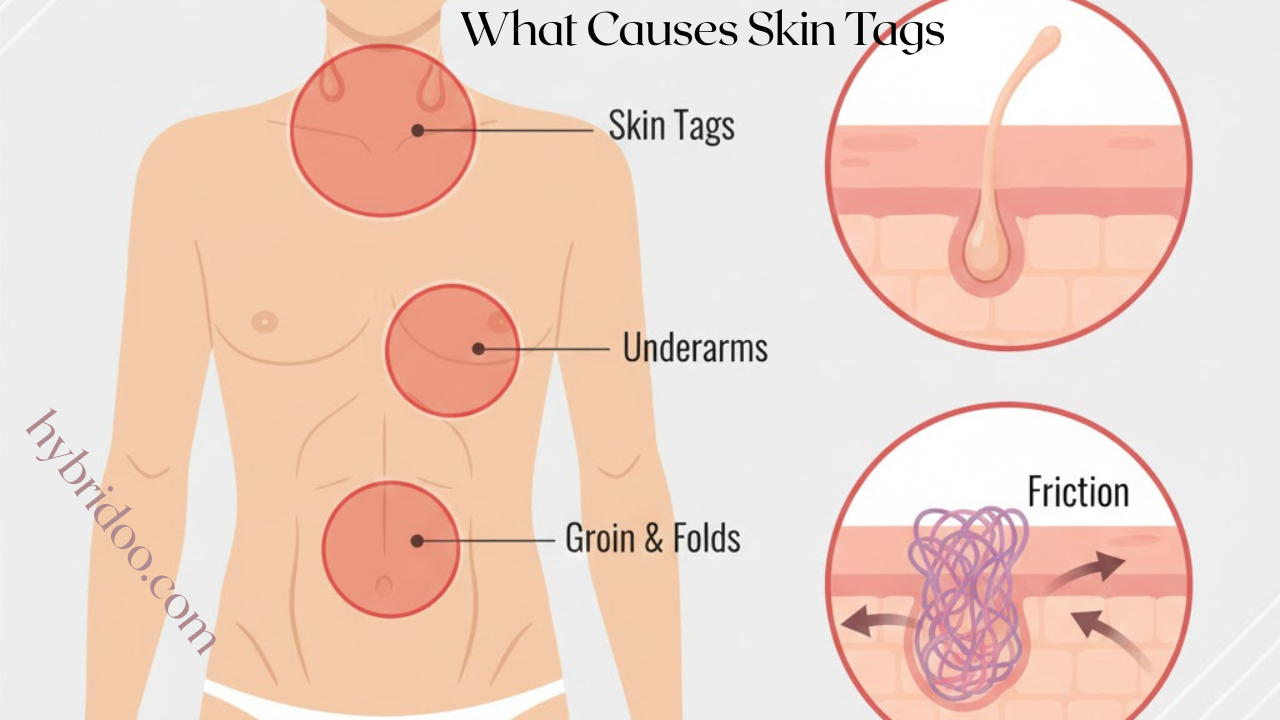
If you’ve ever noticed a small, soft flap of skin hanging from your neck, armpit, or eyelid, you’re far from alone. Skin tags are one of the most common, yet frequently misunderstood, skin growths. While they are completely harmless from a medical perspective, many people seek answers about their origin, wondering, “What causes skin tags to appear in the first place?”
This comprehensive guide will demystify these benign growths. We’ll explore the leading scientific theories behind their development, identify the key risk factors, and separate fact from fiction. By understanding the underlying triggers, you can gain clarity and make informed decisions about your skin health.
What Exactly Are Skin Tags?
Before diving into causes, let’s define what we’re talking about. Medically known as acrochordons, skin tags are small, soft, flesh-colored or slightly darker growths that protrude from the skin’s surface on a thin stalk or peduncle. They are:
-
Non-cancerous (benign): They are not tumors and do not turn into cancer.
-
Painless: They typically cause no discomfort unless irritated by friction.
-
Common: It’s estimated that over half of all adults will develop at least one in their lifetime.
They most commonly appear in areas where skin rubs against skin or clothing, such as the neck, underarms, groin, eyelids, and under the breasts.
The Primary Culprits: Leading Theories on What Causes Skin Tags
Dermatologists agree that skin tags are likely caused by a combination of factors rather than a single, isolated trigger. The most prominent theories center on friction, collagen and blood vessels, and genetics.
1. Friction and Skin Rubbing
This is the most widely accepted contributor. Repetitive friction from skin-on-skin or skin-on-clothing contact is believed to play a central role in the formation of skin tags. This constant rubbing may trigger the proliferation of cells in the outer layers of the skin.
-
Why it matters: This explains their predominant location in body folds and creases. If you’re wondering what causes skin tags under arms or on the neck, friction is often the prime suspect.
2. Collagen and Blood Vessel Trapping
Some research suggests that skin tags originate when clusters of collagen (a structural protein in the skin) and blood vessels become trapped inside thicker pieces of skin. The friction mentioned above may be the initiating event that leads to this trapping.
3. Hormonal Fluctuations and Insulin Resistance
There is a strong correlation between skin tags and certain hormonal states.
-
Insulin Resistance & Diabetes: High insulin levels, often seen in type 2 diabetes and prediabetes, may stimulate the growth of skin cells and keratinocytes, leading to skin tag formation. Studies show a higher prevalence of skin tags in individuals with insulin resistance.
-
Pregnancy: Hormonal changes and weight gain during pregnancy create a “perfect storm” of friction and hormonal shifts, making skin tags common.
-
Human Growth Hormone (HGH) & Steroids: Some evidence links skin tags to imbalances in growth-related hormones.
4. Genetic Predisposition
If your parents or siblings get skin tags, you are more likely to develop them as well. This inherited tendency suggests that some people’s skin may simply be more prone to forming these growths in response to the other triggers listed.
Key Risk Factors: Who Is Most Likely to Get Skin Tags?
Understanding the causes is easier when we look at the common profiles of people who develop them. Key risk factors include:
-
Age: Prevalence increases significantly with age, particularly after 40. This may be due to cumulative sun exposure, hormonal changes, and longer periods of skin friction.
-
Weight: Being overweight or obese increases both skin folds (friction) and the likelihood of insulin resistance, addressing two major causes at once.
-
Pregnancy: As noted, the hormonal environment of pregnancy is a common trigger.
-
Underlying Metabolic Conditions: This is a crucial point. The presence of multiple skin tags can sometimes be a skin sign of an underlying issue. Conditions linked to them include:
-
Type 2 Diabetes and Insulin Resistance
-
Polycystic Ovary Syndrome (PCOS)
-
Metabolic Syndrome (a cluster of conditions including high blood pressure and high cholesterol)
-
-
Human Papillomavirus (HPV): Some studies have found HPV DNA in skin tags, suggesting a possible viral link in some cases, though this is not considered the primary cause for most people.
Common Myths About Skin Tag Causes Debunked
Let’s clear up some widespread misconceptions:
-
Myth: Poor hygiene causes skin tags. False. They are not caused by dirt or lack of washing.
-
Myth: They are contagious. You cannot “catch” a skin tag from someone else.
-
Myth: Specific lotions or cosmetics cause them. While irritation might play a minor role, your moisturizer is not the root cause.
When to See a Doctor: It’s Not Just About Removal
While you can often identify a skin tag by its classic soft, stalked appearance, professional diagnosis is important. You should consult a dermatologist or healthcare provider if:
-
The growth is painful, bleeds, or changes rapidly in color, size, or texture.
-
You are unsure it is a skin tag. It’s essential to rule out other skin conditions like moles, warts, or, in very rare cases, skin cancers.
-
You have a sudden outbreak of many skin tags. This could warrant screening for underlying hormonal or metabolic conditions like diabetes.
-
You want safe and effective removal. A professional can remove them quickly with minimal scarring or risk of infection.
A dermatologist can confirm the diagnosis in seconds and discuss the best removal options for you if desired.
Professional Removal Options
If a skin tag is irritated, bothersome for cosmetic reasons, or catches on jewelry, safe removal is a simple in-office procedure. Common methods include:
-
Cryotherapy: Freezing with liquid nitrogen.
-
Cauterization: Burning off using electrical energy.
-
Ligation: Tying off the blood supply with surgical thread.
-
Surgical Excision: Snipping off with sterile surgical scissors.
Crucial Note: Do not attempt to cut, tie, or burn off skin tags at home. This can lead to infection, excessive bleeding, and scarring.
The Takeaway: A Holistic View of Skin Tag Causes
So, what causes skin tags? The answer is multifaceted. For most individuals, it’s a confluence of genetic predisposition, sustained friction in skin folds, and hormonal or metabolic factors. They are primarily a benign nuisance, not a sign of poor health.
However, their appearance can serve as a gentle, visual nudge to pay attention to your overall well-being. If you have a cluster of skin tags, especially alongside other symptoms like unexplained weight gain or fatigue, it may be worthwhile to discuss metabolic screening with your doctor.
Your Skin’s Health Deserves Expert Insight
Understanding the causes of skin tags empowers you. Whether you’re simply curious about a new growth or are bothered by existing ones, seeking professional guidance is the wisest next step.
Don’t spend another moment wondering or worrying. A board-certified dermatologist can provide a definitive diagnosis, rule out any concerning conditions, and offer you safe, effective solutions for removal if you choose. Schedule a consultation today to address your skin concerns with confidence and clarity. Your skin—and your peace of mind—are worth it.