
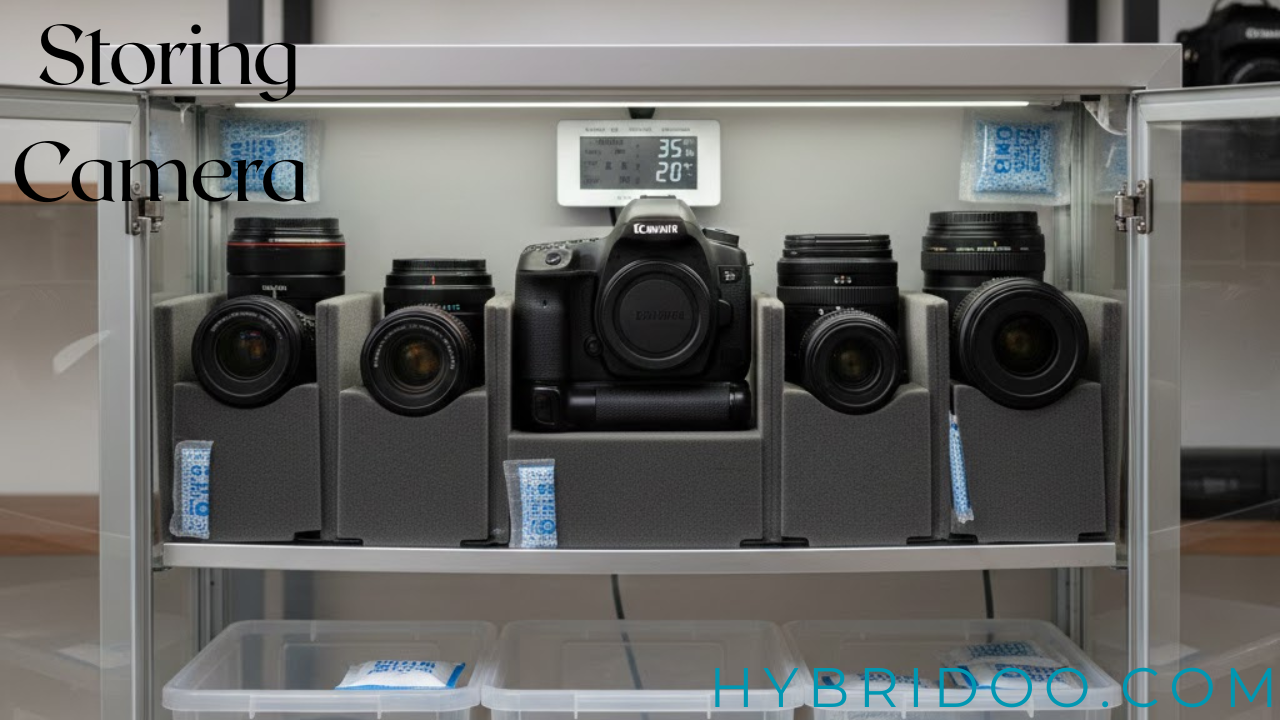
Are you a proud camera owner? If so, you know the joy that comes with capturing stunning moments. But have you ever considered how crucial proper storage is for your beloved gear? Storing your camera isn’t just about tucking it away in a drawer; it’s an essential part of maintaining its functionality and lifespan. Whether you’re using a DSLR, mirrorless model, or compact point-and-shoot, understanding the best practices for storing your camera can make all the difference. Let’s dive into the world of safekeeping techniques to ensure your equipment remains in peak condition while you’re not out shooting!
The Ultimate Guide to Storing Your Camera: Tips and Tricks for Safekeeping
Have you ever wondered what happens to your camera when it’s not in use? The way you store it can significantly influence its performance and durability. Dust, humidity, and temperature fluctuations can wreak havoc on sensitive components. Are you storing your gear correctly?
Many people overlook the importance of proper storage techniques. It’s easy to think that tossing your camera into a bag or leaving it on a shelf is sufficient. However, this could lead to damage over time. What if there are better ways to safeguard against wear and tear?
Imagine opening up your storage space only to find everything disorganized or worse—damaged! With various accessories like lenses, batteries, and tripods involved, knowing how to store each item becomes vital for any photography enthusiast.
So where do we begin? Understanding the common mistakes and discovering effective storage solutions will ensure that every click lasts long after those moments have passed. Let’s embark on this journey together!
Why Proper Camera Storage Matters
Have you ever wondered why storing your camera properly is so crucial? It goes beyond mere convenience. A well-maintained camera can significantly prolong its lifespan, ensuring it captures stunning images for years to come.
Temperature and humidity play a massive role in equipment degradation. Extreme conditions can lead to mold growth on lenses or sensor damage, both of which are expensive issues to fix. Keeping your gear in a controlled environment protects against these hidden threats.
Moreover, proper storage helps safeguard sensitive components from dust and debris. Even the tiniest particle can interfere with performance or image quality. By taking care of how you store your camera, you’re preserving its functionality.
Think about accessibility too! When everything has a designated spot, grabbing your gear becomes seamless. You’ll be ready for spontaneous photography adventures without fumbling through cluttered drawers or bags that could jeopardize the health of your equipment.
Common Problems with Camera Storage
Storing your camera might seem straightforward, but numerous pitfalls can sneak up on you. One common issue is humidity. Moisture can wreak havoc on sensitive electronics and lenses, leading to fungus growth or corrosion over time.
Another problem arises from improper temperature control. Extreme heat can cause battery leakage or damage internal components, while frigid conditions may lead to condensation when moving between environments.
Dust accumulation is also a concern. It can settle onto sensors and lenses, resulting in unwanted particles in your images that are tough to clean off later.
Neglecting organization often leads to misplaced gear or tangled cords—frustrations that can waste precious shooting time when you’re ready for action!
Top Tips for Camera Gear Storage
When it comes to storing your camera gear, every detail counts. First off, consider the environment where you keep your equipment. A cool, dry place is ideal—humidity can wreak havoc on cameras and lenses. Think about using silica gel packs to absorb moisture; they’re inexpensive and effective.
Next up: protection against dust and scratches. Invest in padded cases or dedicated storage bags for each piece of gear. This simple step can save you from costly repairs down the line, ensuring that your camera remains as pristine as ever.
Don’t overlook organization either! Use drawer dividers or bins to categorize items like lenses, filters, and chargers. This not only saves time when you’re ready to shoot but also helps prevent misplacing crucial components.
Keep your batteries charged but not stored in the device itself. Remove them if you’re putting away gear for an extended period; this keeps them from leaking or corroding inside your beloved camera.
Investing in Proper Storage Solutions
When it comes to storing your camera gear, have you ever wondered if investing in proper storage solutions is worth it? The truth is, the right tools can make a world of difference. Imagine having everything organized and accessible at your fingertips.
Think about the protection a good case or bag provides. It shields your precious equipment from dust, moisture, and accidental drops. Quality storage options often come with padding that hugs your gear safely—something cheaper alternatives may lack.
Also consider how organized storage can streamline your workflow. With designated spots for each item, you’ll spend less time searching for that elusive lens cap or spare battery. This efficiency lets you focus more on what truly matters: capturing incredible moments.
Moreover, investing in quality doesn’t just enhance usability; it’s an investment in longevity too. Well-structured storage helps maintain the condition of your gear over time, ensuring many years of shooting ahead.
Organizing Your Camera Equipment
Have you ever rummaged through a cluttered bag, desperately searching for that elusive lens cap? Organization can be a game-changer in your photography journey. A well-organized setup not only saves time but also protects your gear.
Start by categorizing your items. Group similar accessories together—lenses with lenses, batteries with batteries. This way, when you’re gearing up for a shoot, everything is at your fingertips.
Consider using clear storage containers or dedicated camera bags with compartments. These solutions make it easy to spot what you need without digging deep into an abyss of tangled cables and random filters.
Don’t forget about labels! Labeling bins or shelves helps keep track of where each item belongs, making it much easier to return things to their rightful place after use. Your future self will thank you every time you’re ready to capture the perfect shot without the chaos.
Conclusion
Have you ever considered how the way you store your camera can impact its lifespan? The right storage methods not only protect your investment but also ensure that you’re always ready to capture those fleeting moments. With so many options for storing camera gear, from simple cases to elaborate shelving systems, it’s exciting to explore what works best for you.
Think about the unique needs of your equipment and environment. Are there specific climate conditions or organizational challenges in your space? Reflecting on these factors will help refine your approach to keeping your camera safe and functional.
So, what’s next on this journey of safeguarding your photography gear? Perhaps it’s time to assess where you’ve been storing everything or even invest in a new storage solution. Dive into this adventure with curiosity—your camera deserves it!