
Introduction
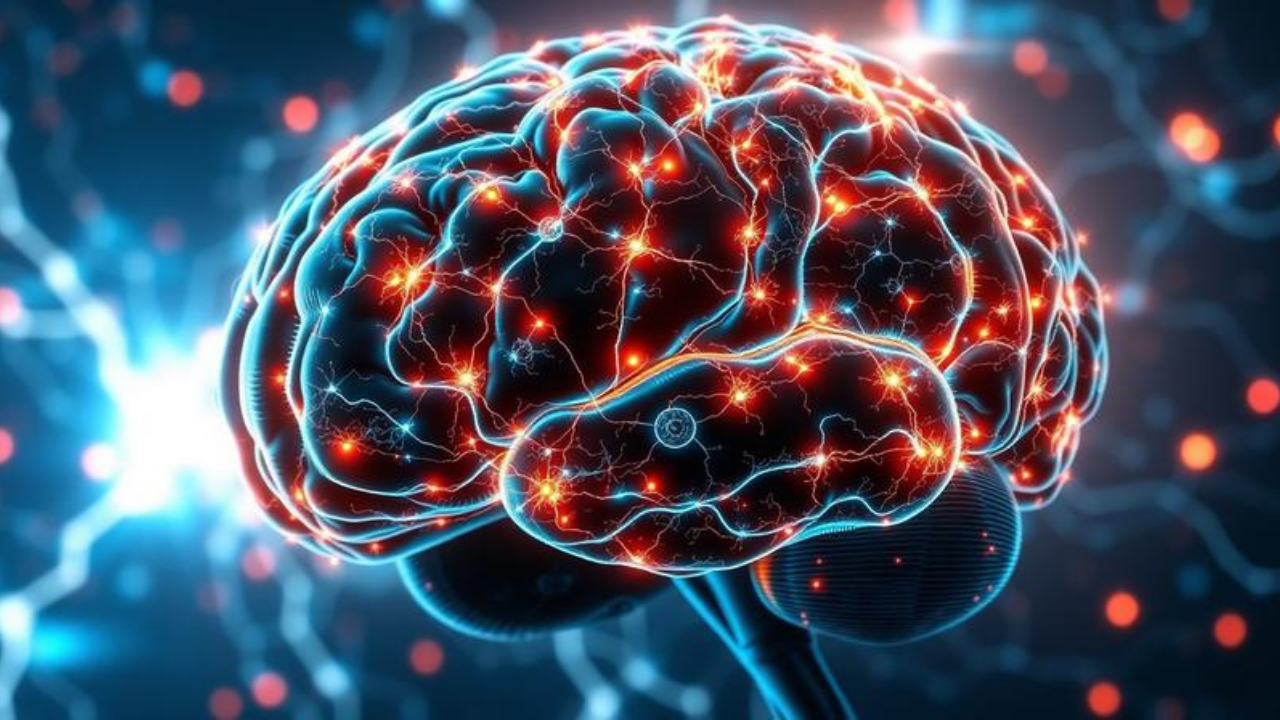
The human brain is one of the most fascinating and complex structures in the known universe. Despite centuries of scientific research, experts continue to uncover new discoveries about how our brains function, adapt, and influence every aspect of our lives. From controlling our thoughts and emotions to regulating breathing and movement, the brain serves as the body’s command center.
If you’ve ever wondered what makes the human brain so extraordinary, you’re in the right place. In this article, we’ll explore 30 mind-blowing facts about the human brain that reveal just how remarkable this organ truly is. Whether you’re a student, science enthusiast, or simply curious about how your mind works, these facts will leave you amazed.
Why the Human Brain Is So Important
Before diving into these fascinating facts, it’s worth understanding why the brain is such a critical organ.
The brain controls:
- Memory
- Learning
- Emotions
- Decision-making
- Movement
- Speech
- Sensory perception
- Heart rate and breathing
Without it, the body simply couldn’t function.
30 Mind-Blowing Facts About the Human Brain
1. The Human Brain Contains About 86 Billion Neurons
Neurons are specialized cells responsible for transmitting information throughout the nervous system. Scientists estimate that the average adult brain contains approximately 86 billion neurons working together.
2. Your Brain Generates Enough Electricity to Power a Light Bulb
Brain cells communicate through electrical signals. Combined, these signals generate enough electrical activity to power a small light bulb.
3. The Brain Uses Around 20% of Your Body’s Energy
Although it represents only about 2% of body weight, the brain consumes roughly one-fifth of the body’s total energy supply.
4. Your Brain Continues Developing Until Your Mid-20s
Many people assume brain development ends during childhood. However, the prefrontal cortex—the area responsible for decision-making and impulse control—continues developing into your mid-20s.
5. The Brain Doesn’t Feel Pain
Surprisingly, the brain itself lacks pain receptors. While the tissues surrounding it can feel pain, the brain cannot directly sense it.
6. Memory Isn’t Stored in One Location
Memories are distributed across different regions of the brain rather than being stored in a single “memory center.”
7. Sleep Helps Your Brain Clean Itself
During sleep, the brain activates a waste-removal system that clears toxins and metabolic byproducts accumulated throughout the day.
8. Your Brain Is Mostly Water
Approximately 73% of the human brain consists of water. Even mild dehydration can affect concentration, memory, and mood.
9. The Brain Can Rewire Itself
This incredible ability is known as neuroplasticity. The brain can create new neural pathways throughout life, allowing people to learn new skills and recover from injuries.
10. Information Travels Extremely Fast
Signals in the nervous system can travel at speeds of up to 268 miles per hour (431 kilometers per hour).
11. The Brain Is More Active While Sleeping
Certain areas of the brain become even more active during sleep than when you’re awake.
12. Humans Have More Brain Connections Than Stars in the Milky Way
The number of neural connections in the brain is estimated to exceed hundreds of trillions.
13. Every Brain Is Unique
Just like fingerprints, every human brain has a unique structure and pattern of neural connections.
14. The Left and Right Hemispheres Work Together
Although different functions may be concentrated in one hemisphere, both sides constantly communicate and collaborate.
15. Reading Changes Your Brain
Regular reading strengthens neural networks associated with language, comprehension, and imagination.
16. Stress Can Physically Affect the Brain
Chronic stress can alter brain structure and negatively impact memory and emotional regulation.
17. The Brain Processes Images Faster Than Text
Visual information can be interpreted much more rapidly than written language.
18. Music Engages Multiple Brain Regions
Listening to music activates areas responsible for memory, emotion, movement, and attention.
19. The Brain Never Truly Stops Working
Even when resting, your brain remains highly active, maintaining essential bodily functions and processing information.
20. Exercise Boosts Brain Health
Physical activity increases blood flow to the brain and supports the growth of new neural connections.
21. Laughter Benefits the Brain
Laughing releases feel-good chemicals and improves communication between various brain regions.
22. The Brain Shrinks Slightly With Age
A small reduction in brain volume occurs naturally over time, although healthy habits can help maintain cognitive function.
23. Learning New Skills Creates New Connections
Every time you learn something new, your brain forms and strengthens neural pathways.
24. Your Brain Processes Millions of Bits of Information
The brain constantly filters and processes vast amounts of sensory information every second.
25. Smells Can Trigger Powerful Memories
The olfactory system has direct connections to memory and emotional centers in the brain.
26. Meditation Can Change Brain Structure
Research suggests that regular meditation may increase gray matter density in certain areas of the brain.
27. Multitasking Isn’t as Effective as You Think
The brain generally switches rapidly between tasks rather than handling multiple complex tasks simultaneously.
28. The Brain Can Generate Dreams Every Night
Most people experience several dreams during different stages of sleep, even if they don’t remember them.
29. Human Brains Continue Learning Throughout Life
Age does not prevent the brain from forming new connections and adapting to new experiences.
30. The Brain Is the Most Complex Organ in the Human Body
Scientists still don’t fully understand every aspect of brain function, making it one of the greatest mysteries in biology.
Amazing Brain Functions You Experience Daily
Many brain processes happen automatically without conscious effort.
Examples include:
Problem Solving
The brain constantly evaluates information and makes decisions.
Emotional Processing
Different regions work together to manage feelings and reactions.
Language Understanding
Specialized networks allow us to read, write, speak, and understand language.
Movement Control
The brain coordinates muscles to perform even the simplest actions.
How to Keep Your Brain Healthy
Learning fun facts about the human brain is fascinating, but protecting brain health is equally important.
Consider these habits:
Get Enough Sleep
Adults should aim for 7–9 hours of quality sleep each night.
Stay Physically Active
Regular exercise improves circulation and supports cognitive function.
Challenge Your Mind
Activities such as reading, puzzles, and learning new skills help keep the brain engaged.
Eat a Balanced Diet
Foods rich in healthy fats, antioxidants, and nutrients support brain performance.
Manage Stress
Reducing stress can improve both mental and physical health.
Frequently Asked Questions
What is the most interesting fact about the human brain?
One of the most fascinating facts is that the brain can reorganize itself through neuroplasticity, allowing continuous learning and adaptation.
How many neurons are in the human brain?
Scientists estimate there are approximately 86 billion neurons in the average adult brain.
Does the brain grow new cells?
Yes. Certain regions of the brain can produce new neurons throughout life.
Why is sleep important for the brain?
Sleep supports memory formation, learning, and the removal of waste products from the brain.
Can brain function improve with age?
Absolutely. Mental stimulation, exercise, and healthy habits can help maintain and even improve cognitive performance.
Conclusion
These 30 mind-blowing facts about the human brain demonstrate just how incredible this organ truly is. From generating electricity and processing vast amounts of information to adapting through neuroplasticity, the brain remains one of nature’s greatest achievements.
The more we learn about the brain, the more we realize how much there is still to discover. By understanding how the brain works and adopting healthy lifestyle habits, we can support cognitive function and lifelong learning.
Have a favorite brain fact that amazed you? Share it in the comments below and explore more science and health articles to continue expanding your knowledge!