
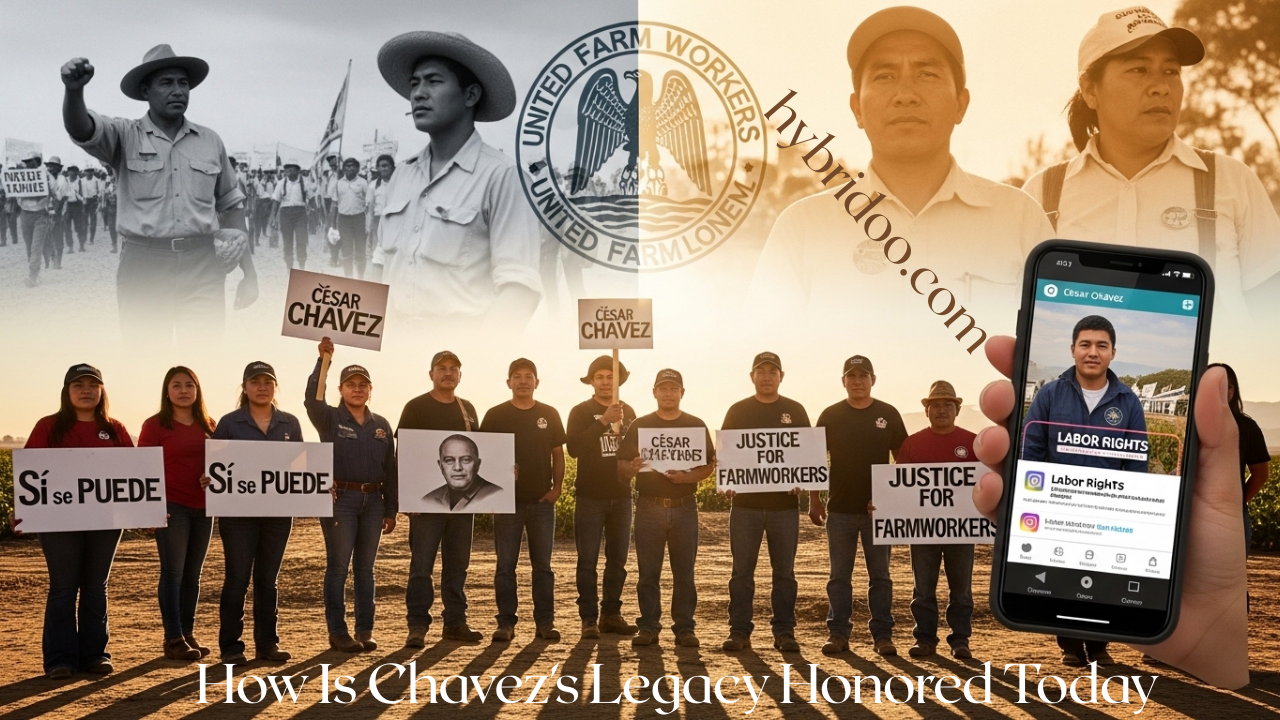
Cesar E. Chavez remains a towering figure in the fight for social justice, equality, and workers’ rights. His tireless dedication to improving the lives of farmworkers continues to resonate today. As we explore how is Chavez’s legacy honored today, it’s essential to recognize not just who he was but the profound impact he made on countless lives. From labor movements to educational programs, his spirit endures through various initiatives that inspire new generations. Join us as we delve into how Cesar Chavez’s vision still shapes our society and empowers communities across America!
Who was Cesar E. Chavez?
Cesar E. Chavez was a civil rights leader and labor organizer born on March 31, 1927, in Yuma, Arizona. Growing up in a migrant family, he experienced firsthand the harsh realities faced by farmworkers. This inspired him to advocate for their rights.
Co-founding the United Farm Workers (UFW) in 1962, Chavez led numerous strikes and boycotts aimed at securing fair wages and better working conditions. His nonviolent approach made significant strides toward social justice for agricultural workers across the nation.
Cesar E. Chavez’s Legacy and Impact
Cesar E. Chavez’s legacy is deeply woven into the fabric of labor rights and social justice. His tireless advocacy for farmworkers transformed agricultural policies, inspiring generations to fight against inequality.
Chavez’s impact transcends borders, influencing movements for workers’ rights and immigration reform. His methods of nonviolent protest and community organizing continue to resonate, encouraging individuals to stand up for their rights while fostering solidarity among marginalized groups.
Dolores Huerta’s Legacy “Si se puede!”
Dolores Huerta, a fierce advocate for workers’ rights, co-founded the United Farm Workers alongside Cesar Chavez. Her famous phrase “Si se puede!” embodies resilience and empowerment. It rallies not just farmworkers but all those striving for justice.
Huerta’s dedication to social change has inspired countless movements. She continues to fight for labor rights, women’s equality, and immigrant advocacy. Through her tireless efforts, she ensures that Chavez’s legacy endures while motivating new generations to champion their causes.
United Farm Workers Movement
The United Farm Workers (UFW) movement emerged in the 1960s, championing the rights of agricultural laborers. Founded by Cesar Chavez and Dolores Huerta, it aimed to improve working conditions, wages, and labor rights for farmworkers across America.
Through strikes and boycotts, UFW gained national attention. The grape boycott of the late ’60s is a prime example of their effectiveness. This grassroots effort united consumers with workers’ struggles, showcasing the power of collective action in achieving social change.
Chavez’s Influence on Workers’ Rights and Immigration Reform
Cesar Chavez significantly shaped workers’ rights, advocating for fair wages and safe working conditions. His relentless efforts led to the establishment of labor contracts that uplifted countless farmworkers. Through nonviolent protest and collective bargaining, Chavez showed the power of unity in fighting against exploitation.
Additionally, his work has had a lasting impact on immigration reform. By highlighting the struggles faced by migrant workers, he brought attention to their needs and rights. This advocacy laid crucial groundwork for future reforms aimed at protecting vulnerable populations.
Lessons and Teachings from Cesar Chavez
Cesar Chavez taught the power of nonviolent resistance. He believed that change could be achieved through peaceful protests and organized labor movements. His commitment to justice inspired many to stand up against oppression.
Another key lesson from Chavez is the importance of community solidarity. He emphasized that collective action can create significant change, urging individuals to unite for a common cause. This sense of unity remains vital in today’s ongoing struggles for workers’ rights and social equality.
Honoring Chavez’s Legacy Through Various Initiatives
Cesar Chavez’s legacy is honored through a range of initiatives that uphold his commitment to social justice and workers’ rights. Community organizations and nonprofits actively promote educational programs, empowering future generations with knowledge about labor movements and civil rights.
In addition, economic development projects focus on improving housing for agricultural workers. These efforts aim to create sustainable communities where dignity and respect are prioritized, ensuring that Chavez’s values continue to inspire positive change in society today.
Academic and Educational Programs
Academic and educational programs play a crucial role in honoring Cesar Chavez’s legacy. Many universities now offer courses focused on social justice, labor rights, and Chavez’s life. These programs encourage students to explore themes of equity and activism.
Scholarships have also been established in his name, aimed at supporting underrepresented students pursuing education. By fostering awareness about Chavez’s contributions, these initiatives inspire the next generation to continue advocating for workers’ rights and social change.
Economic Development and Housing Initiatives
Cesar Chavez’s legacy resonates in economic development and housing initiatives aimed at uplifting farmworkers and their communities. Various organizations continue to advocate for affordable housing, ensuring that workers have safe living conditions.
Many programs focus on providing access to financial resources and job training. These efforts empower families to achieve self-sufficiency while fostering a sense of community. By addressing these critical needs, Chavez’s vision for dignity and respect in the workplace extends beyond labor rights into homeownership opportunities.
Media and Communication Platforms
Media and communication platforms play a crucial role in honoring Chavez’s legacy today. Through social media, documentaries, and podcasts, his message of justice for farmworkers reaches new audiences. These channels educate people about workers’ rights and the ongoing struggles faced by marginalized communities.
Organizations often share stories that highlight Chavez’s achievements and ideals. This digital storytelling fosters awareness, inspiring action among younger generations committed to social change. Engaging content helps keep his spirit alive in modern activism.
National Chavez Center and Preservation Efforts
The National Chavez Center stands as a pivotal site for honoring Cesar E. Chavez’s legacy. Located in Keene, California, it serves as both a museum and an educational hub dedicated to his work and ideals.
Preservation efforts at the center include maintaining historical documents, photographs, and artifacts related to Chavez’s life. These initiatives ensure that future generations can learn about his contributions to labor rights and social justice while inspiring continued activism in these important areas.
Ways to Be Part of Continuing Chavez’s Legacy
Engaging with Cesar Chavez’s legacy can start small. Volunteer for local organizations that support farmworkers’ rights or advocate for fair wages. Getting involved helps amplify the voices of those who need it most.
Consider participating in community events that celebrate his teachings. Many places hold marches, workshops, and educational programs throughout the year. Sharing your time and knowledge fosters a connection to his mission and inspires others to carry on his work for justice and equality.
Resources and Important Links
For those looking to explore Cesar Chavez’s legacy further, numerous resources are available online. Websites like the United Farm Workers and the Cesar E. Chavez Foundation offer a wealth of information on his life, achievements, and ongoing initiatives.
Additionally, educational platforms provide materials focused on workers’ rights and social justice education. Engaging with these resources can deepen your understanding of Chavez’s impact and inspire actions that honor his mission today.
Opportunities for Engagement and Participation
Engaging with Cesar Chavez’s legacy can take many forms. Volunteer opportunities abound within organizations dedicated to workers’ rights and social justice, allowing individuals to make a tangible impact in their communities.
Additionally, participating in local events or campaigns that honor his work fosters awareness and solidarity. Joining workshops or seminars focused on labor rights can also deepen understanding while connecting like-minded advocates who share a passion for progress and equality.
FAQs
Cesar Chavez’s legacy is rich and multifaceted, inspiring countless individuals. He championed the rights of farmworkers and pushed for social justice, making a significant impact on labor movements in the United States.
Today, people honor him through various initiatives that promote his teachings. Understanding who he was and what he stood for helps foster awareness about workers’ rights and immigration reform. His influence continues to resonate across generations, shaping conversations around equity and justice.
What was Cesar Chavez’s legacy?
Cesar Chavez’s legacy is rooted in his relentless advocacy for farmworkers’ rights. He co-founded the United Farm Workers, leading significant strikes and boycotts to demand better wages and working conditions. His commitment mobilized thousands, creating a powerful movement that transformed labor relations.
Beyond labor rights, Chavez championed social justice and equality for all marginalized communities. His teachings continue to inspire new generations of activists who fight for workers’ rights, environmental sustainability, and immigration reform today.
What is Cesar Chavez known for today?
Cesar Chavez is known today for his unwavering commitment to labor rights and social justice. As a co-founder of the United Farm Workers, he championed better working conditions and fair wages for farmworkers across America. His advocacy drew national attention to the struggles faced by agricultural laborers.
Chavez’s legacy also includes inspiring movements for civil rights and immigration reform. His famous motto, “Sí se puede!” continues to empower activists striving for change in various sectors of society.
Why do we honor Cesar Chavez?
Cesar Chavez is honored for his relentless fight for farm workers’ rights. His dedication to improving working conditions and advocating for fair wages transformed the agricultural landscape in America.
Chavez’s legacy inspires generations to stand up against injustice. He symbolizes hope, resilience, and social change. By honoring him, we recognize the ongoing struggles of workers everywhere and remember the importance of unity in pursuing equality and justice across all communities.
How did Cesar Chavez contribute to society?
Cesar Chavez’s contributions to society are vast and enduring. He fought tirelessly for the rights of farmworkers, advocating for better wages, working conditions, and dignity in labor. By founding the United Farm Workers Union, he brought attention to systemic injustices faced by agricultural workers.
His strategies included nonviolent protests and strikes that inspired countless individuals across various movements. Through his leadership, he demonstrated how collective action can lead to meaningful change. Today, Chavez’s teachings echo in ongoing struggles for labor rights and social justice.
His legacy continues to inspire new generations committed to advocating for equality and empowerment within their communities. The principles he championed remain relevant as we navigate contemporary issues surrounding workers’ rights and immigration reform.