
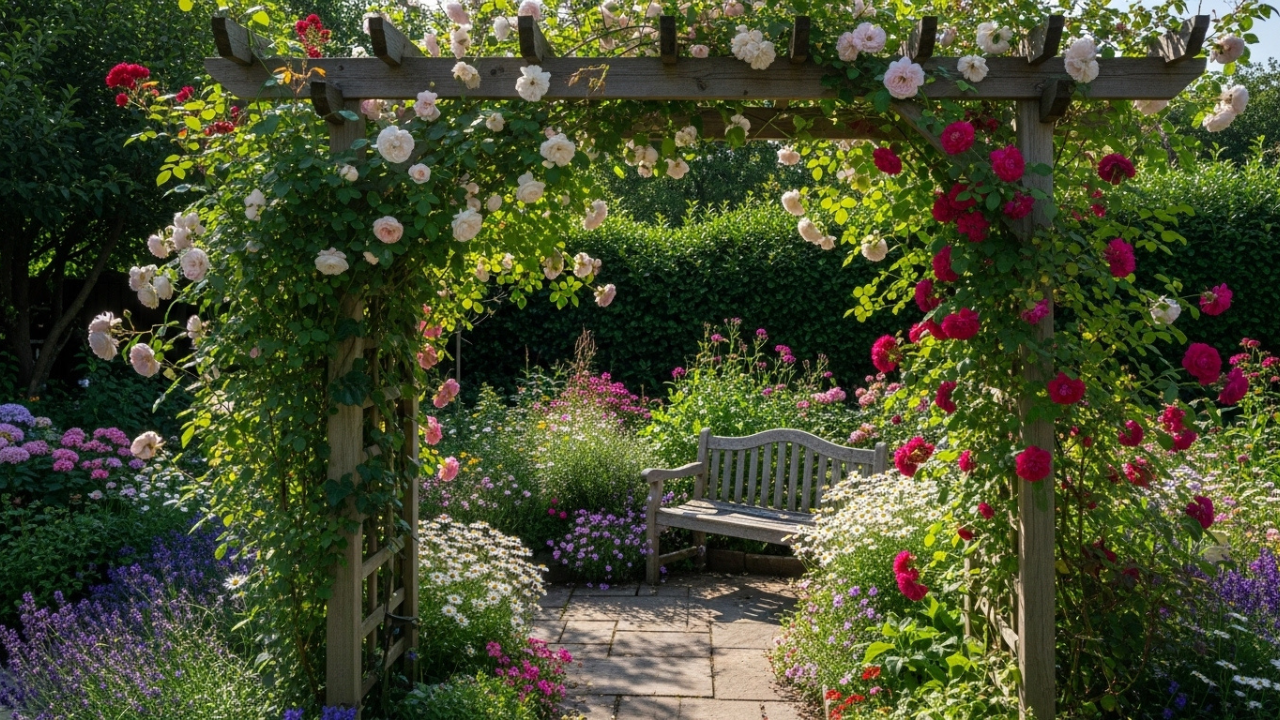
If you’re looking to elevate your garden game, you might want to consider a trellis. But what is a trellis? It’s more than just a decorative structure; it’s an essential tool for any gardener aiming to maximize their space and enhance plant growth. From charming vines that twirl around its beams to sturdy frames supporting heavy crops, the versatility of trellises can transform any outdoor area. Whether you have a small balcony or an expansive backyard, understanding how to incorporate these structures can open up new possibilities in your gardening journey. Let’s dive into the fascinating world of trellises and explore their types, benefits, and ways they can enrich your garden experience!
Overview
A trellis is a framework that supports climbing plants, adding both functionality and beauty to gardens. Typically made from wood or metal, it provides a vertical structure for vines, flowers, and vegetables to grow upwards. This not only saves ground space but also encourages healthier plant development.
Trellises come in various designs and styles, catering to different gardening needs. They can enhance the aesthetics of your outdoor space while serving practical purposes like creating privacy or supporting heavy blooms. Understanding their uses will elevate your gardening skills significantly.
Introduction
A trellis is more than just a garden structure; it’s a versatile tool that can elevate your gardening experience. Whether you’re looking to support climbing plants, create privacy, or enhance your outdoor aesthetic, understanding what a trellis offers is essential for any gardener.
These structures come in various shapes and sizes, making them adaptable to different gardening styles. From rustic wooden designs to sleek metal frames, there’s a perfect trellis for every garden theme. Exploring the world of trellises opens up exciting possibilities for your green space.
History
Trellises date back thousands of years, with evidence found in ancient Egypt and Rome. They were originally used to support climbing plants like grapes. This practical use quickly spread throughout Europe, integrating into gardens across various cultures.
As gardening evolved, trellises transformed from mere structures into decorative elements. Different styles emerged, reflecting the artistry of different eras. From Gothic arches to modern minimalist designs, these garden features have continually adapted while serving their primary function: supporting nature’s growth.
Evolution of Trellises
Trellises have evolved significantly from their earliest forms. Initially, they served basic functions in ancient gardens, often made from simple materials like wood or bamboo. These structures were primarily practical, helping plants grow upward to maximize sunlight.
As gardening techniques progressed, trellises transformed into more elaborate designs. Different cultures began incorporating ornamental features and diverse materials. This evolution reflects not just a need for utility but also an appreciation for aesthetics and design in landscaping throughout history. Modern trellises now blend functionality with artistic expression seamlessly.
Types of Trellises
Trellises come in various types, each designed to serve specific plant needs. The most common include flat trellises, which provide a simple support structure for climbing plants, and arch trellises that add elegance while promoting vertical growth.
There are also obelisk and lattice designs, perfect for smaller gardens or patio settings. Each type can enhance both functionality and aesthetics in your garden space, making it easier to choose one that fits your style and the plants you wish to cultivate.
Materials Used
Trellises can be crafted from a variety of materials, each offering unique benefits. Wood is a traditional choice, providing natural aesthetics and strength. Cedar and redwood resist rot, making them ideal for outdoor use.
Metal options like aluminum or wrought iron add durability and a modern touch. Vinyl trellises are lightweight and low-maintenance, perfect for busy gardeners. The material you choose will depend on your garden style, budget, and the specific plants you wish to support.
Designs and Styles
Trellis designs and styles are as diverse as the plants they support. From minimalist geometric patterns to ornate latticework, there’s a trellis for every garden aesthetic. Choose from classic wooden structures or sleek metal frames that complement your outdoor space.
You can also explore vertical gardens with living walls or artistic sculptures that double as functional supports. The right design not only enhances plant growth but adds character to your landscape, making it an integral part of your garden’s overall theme.
Benefits of Using a Trellis
Using a trellis can significantly enhance your garden’s health and appearance. By providing support for climbing plants, it helps them grow upward rather than sprawling on the ground. This not only allows better air circulation but also reduces the risk of disease.
Additionally, trellises help optimize space in small gardens. With vertical growth, you can fit more plants into tighter areas while maintaining an organized look. The aesthetic appeal they add transforms any outdoor area into a charming retreat filled with lush greenery.
Improved Plant Growth
A trellis can significantly enhance plant growth by providing essential support for climbing varieties. When plants have a structure to cling to, they can reach greater heights and access more sunlight. This exposure boosts photosynthesis, leading to healthier and more robust plants.
Additionally, trellises promote better air circulation around foliage. Improved airflow reduces humidity levels and helps prevent diseases caused by excess moisture. As a result, your plants thrive in an environment that fosters optimal growth conditions while minimizing potential health issues.
Space Optimization
A trellis is an excellent solution for maximizing garden space, especially in smaller areas. By encouraging vertical growth, you can free up valuable ground space for other plants or features. This method allows you to cultivate a wider variety of species without overcrowding.
Utilizing a trellis also enables better airflow and sunlight exposure for all your plants. With proper placement, climbing varieties can flourish while using minimal horizontal space. It’s a smart way to enhance productivity and create a more organized garden layout.
Aesthetic Appeal
A trellis can transform your garden into a visual masterpiece. With its elegant structure, it adds vertical interest that enhances any landscape. Whether adorned with climbing roses or vibrant vines, a trellis serves as a stunning focal point.
Different designs and materials allow for unique expressions of style. Choose from rustic wood to sleek metal options that complement your home’s architecture. By incorporating a trellis, you create depth and charm in your outdoor space while showcasing the beauty of nature effectively.
Practical Uses of Trellises
Trellises serve a variety of practical functions in the garden. They provide essential support for climbing plants like tomatoes, cucumbers, and peas. By guiding these plants upwards, trellises help them access sunlight more effectively while promoting better air circulation.
Beyond plant support, trellises can create private spaces by acting as natural barriers. Use them to define garden areas or create cozy nooks filled with greenery. This versatility makes trellises not just functional but also an integral part of any well-designed outdoor space.
Supporting Climbing Plants
Trellises are essential for supporting climbing plants, helping them thrive while adding beauty to your garden. With the right structure, plants like cucumbers, peas, and clematis can reach new heights. A trellis encourages upward growth, allowing more sunlight and air circulation.
Using a trellis also prevents overcrowding in garden beds. By elevating climbing plants off the ground, you reduce disease risks associated with damp soil. This not only keeps your garden healthy but also enhances visual interest throughout the growing season.
Creating Privacy Screens
Trellises serve as excellent privacy screens, allowing you to enjoy your outdoor space without feeling exposed. By strategically placing trellises around patios or gardens, you can create secluded areas that enhance relaxation and comfort.
To boost the effectiveness of these screens, consider planting climbing vines or fast-growing plants. As they flourish, they’ll weave through the latticework, providing a lush barrier that shields you from prying eyes while adding natural beauty to your landscape.
Care and Maintenance
Regular care and maintenance can extend the life of your trellis. Check for any signs of wear or damage, especially after harsh weather. Tighten loose connections and replace broken components promptly to keep it sturdy.
Cleaning is essential too. Remove debris like leaves and dirt that may accumulate over time. A gentle wash with soap and water will help prevent rust on metal trellises or rot on wooden ones. Keeping your trellis in good shape ensures it continues to support your plants effectively.
Tips for Longevity
To ensure your trellis lasts for years, choose a durable material suited to your climate. Wood should be treated or sealed to resist rot and pests. Metal options like aluminum or galvanized steel are excellent for longevity but can rust if not coated.
Regular maintenance is key. Inspect your trellis annually for damage and tighten any loose connections. Cleaning it regularly prevents debris buildup, which can weaken the structure over time. A little care goes a long way in preserving both function and beauty.
Conclusion
A trellis can be a game-changer for your garden. Understanding what it is and how to use it effectively enhances plant growth, optimizes space, and adds beauty. With various types, materials, designs, and practical uses available, there’s a perfect trellis for every gardener’s needs.
Investing time in the right care ensures your trellis lasts for years. Whether you’re looking to support climbing plants or create privacy screens, incorporating a trellis into your gardening strategy will transform any outdoor space. Embrace the benefits of using a trellis—it might just elevate your gardening experience to new heights.