
Introduction
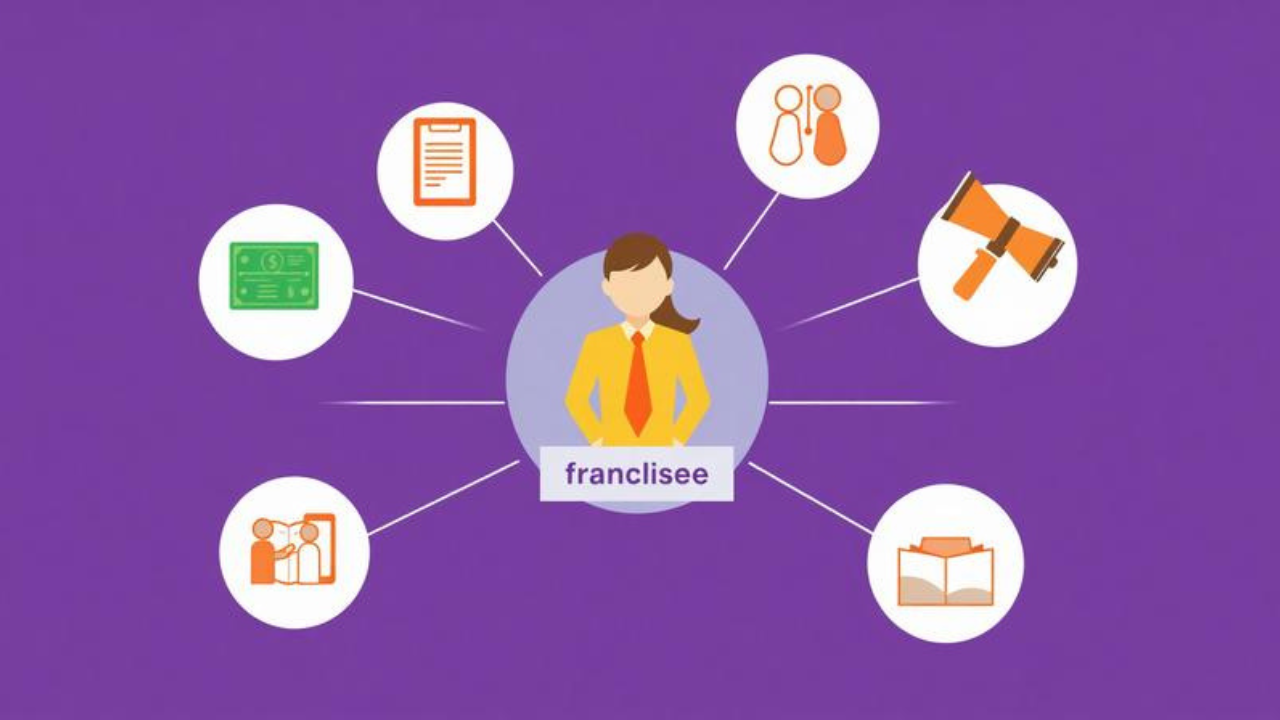
Imagine walking into your favorite local coffee shop. The barista knows your name, the place feels like it belongs to the neighborhood, but the logo is unmistakably global. Who’s really running the show? The answer is the franchisee—the entrepreneur who invests their capital, time, and energy into operating a location under an established brand.
Franchising is a massive economic engine. The International Franchise Association reports that franchising generates $907 billion in annual economic output, representing 3% of U.S. GDP, with 832,000 franchise establishments providing 8.8 million jobs. Behind these staggering numbers are real people—franchisees—who take on the responsibility of running their own businesses while adhering to a proven system.
But what exactly does a franchisee do? What are their day-to-day responsibilities? How do they balance following the franchisor’s rules with running their own show? These are questions every aspiring franchise owner needs to answer before signing that agreement.
In this guide, we’ll break down the roles and responsibilities of a franchisee in detail. You’ll learn what it takes to succeed as a franchisee, the key differences between franchisor and franchisee duties, and actionable steps to excel in your role. Whether you’re considering buying a franchise or you’re already an owner looking to sharpen your skills, this guide has you covered.
Table of Contents
-
What Is a Franchisee? Definition and Core Concept
-
History and Evolution of the Franchisee Role
-
Key Responsibilities of a Franchisee – A Complete Breakdown
-
Franchisee vs Franchisor – Understanding the Dynamic
-
How to Succeed as a Franchisee – Step-by-Step Guide
-
Common Myths About Franchisee Responsibilities
-
Expert Tips for Franchisee Success in 2026
-
Frequently Asked Questions About Franchisee Roles
-
Final Verdict – Is the Franchisee Role Right for You?
What Is a Franchisee? Definition and Core Concept
A franchisee is an individual or business entity that purchases the right to operate under an established brand’s name and business system. In simple terms, a franchisee is an independent business owner who pays fees to a franchisor in exchange for the right to use their trademarks, operational methods, and ongoing support.
Think of it this way: the franchisor built the blueprint for a successful business. They’ve tested the model, refined the processes, and built a recognizable brand. The franchisee takes that blueprint and builds the actual business on the ground. You’re not starting from scratch—you’re stepping into a proven system with a built-in customer base.
But here’s the catch: being a franchisee doesn’t mean you’re an employee. You’re an independent business owner. You invest your own capital, hire your own staff, and manage your own operations. The franchisor provides the framework, but you’re responsible for execution.
Franchisee meaning
The franchisee meaning with example becomes clearer when you look at real-world scenarios. Consider a local McDonald’s. McDonald’s Corporation is the franchisor—they own the brand, develop the menu, and run national advertising. The person who owns and operates that local McDonald’s is the franchisee. They paid an initial franchise fee, they pay ongoing royalties, and they follow McDonald’s operational standards. But they also make key decisions about hiring, local marketing, and daily management.
The franchisee pronunciation is fran-chigh-ZEE (IPA: /ˌfræntʃaɪˈziː/). Break it down: “fran” (like “France”), “chigh” (rhymes with “eye”), and “ZEE” (like the letter Z).
According to the IFA, 85% of franchisees live where they operate their business, and 64% are first-time business owners. This tells you something important: franchising is often the entry point for people who want to own a business but don’t want to build one from the ground up.
The role of franchisor and franchisee is fundamentally a partnership. The franchisor provides the system, training, and ongoing support. The franchisee brings the capital, local market knowledge, and operational execution. Neither can succeed without the other.
History and Evolution of the Franchisee Role
The concept of franchising isn’t new. In fact, it dates back centuries. But the modern franchisee role as we know it today has evolved significantly over time.
The Early Days
The roots of franchising can be traced to the Middle Ages, when European monarchs granted “franchises” to individuals to collect taxes or operate markets. These early arrangements were more about government privileges than business models.
The first true business franchise in the United States is often attributed to Isaac Singer, who in the 1850s began licensing independent distributors to sell and service his sewing machines. This allowed Singer to expand rapidly without building his own retail network everywhere.
The Rise of Modern Franchising
The real explosion of franchising came in the 20th century. Howard Johnson is credited with creating the first modern restaurant franchise system in the 1930s. But it was Ray Kroc and McDonald’s who truly revolutionized the model in the 1950s. Kroc didn’t invent the McDonald’s burger—the McDonald brothers did. But Kroc saw the potential to scale the business through franchising, and he built an empire around that vision.
By the 1970s, franchising had expanded far beyond fast food. Industries like hotels (Holiday Inn), automotive services (Midas), and real estate (Century 21) embraced the model.
The Franchisee Role Today
Fast forward to 2026, and the franchisee role has become more complex and demanding. Today’s franchisees need to be:
-
Business savvy: You’re managing finances, inventory, and payroll.
-
Tech-savvy: From point-of-sale systems to digital marketing, technology is everywhere.
-
People-focused: Hiring, training, and retaining staff is critical.
-
Compliance-minded: Legal and regulatory requirements are more stringent than ever.
The IFA reports that franchising now spans over 300 industries and thousands of brands. The fastest-growing sectors in 2026 include child services, commercial/residential services, and personal services.
What hasn’t changed is the core dynamic: the franchisor provides the system, and the franchisee executes it. But the franchisee responsibilities have expanded to include everything from social media marketing to data analytics.
Key Responsibilities of a Franchisee – A Complete Breakdown
The roles and responsibilities of a franchisee are multifaceted. You’re not just a business owner—you’re a brand ambassador, a community leader, a financial manager, and a team builder. Let’s break down each area in detail.
H3: Financial Responsibilities
Money is the lifeblood of any business, and as a franchisee, you’re responsible for the financial health of your operation.
Initial Investment: You’re responsible for the initial franchise fee, which can range from a few thousand to over a million dollars depending on the brand. You’ll also need capital for equipment, inventory, leasehold improvements, and working capital.
Ongoing Fees: Franchisees pay ongoing royalties to the franchisor, typically calculated as a percentage of gross sales. You’ll also contribute to advertising funds and potentially other fees like technology fees.
Financial Management: You need to manage your profit and loss statement, track expenses, maintain accurate records, and submit regular financial reports to the franchisor. This isn’t optional—it’s a contractual obligation.
Budgeting and Forecasting: Successful franchisees create budgets, forecast revenue, and plan for seasonal fluctuations. You’re also responsible for tax compliance at the federal, state, and local levels.
Operational Responsibilities
Day-to-day operations are where franchisees spend most of their time and energy.
Managing Daily Operations: You’re responsible for the smooth functioning of your location. This includes opening and closing procedures, customer service, quality control, and ensuring that all operational standards are met.
Inventory Management: You must order inventory from approved suppliers, manage stock levels, and minimize waste. The franchisor typically specifies approved suppliers and products.
Facility Maintenance: Your location must be clean, safe, and well-maintained. This includes equipment maintenance, cleaning schedules, and compliance with health and safety regulations.
Technology Management: From point-of-sale systems to customer relationship management (CRM) software, you’re responsible for using the franchisor’s technology stack effectively.
Staffing and Human Resources
As a franchisee, you’re the employer. This comes with significant responsibilities.
Hiring: You’re responsible for recruiting, interviewing, and hiring staff. The franchisor may provide guidelines, but the hiring decisions are yours.
Training: You must train your employees on operational procedures, customer service standards, and brand values. The franchisor provides initial training for you, but you’re responsible for training your team.
Scheduling and Payroll: You create work schedules, manage time-off requests, and process payroll. You’re also responsible for complying with labor laws regarding overtime, breaks, and minimum wage.
Culture Building: Creating a positive work environment is your responsibility. Happy employees lead to happy customers, which leads to better business outcomes.
Marketing and Community Engagement
While the franchisor handles national or regional advertising, you’re responsible for local marketing.
Local Marketing: You implement the franchisor’s marketing programs at the local level and develop your own initiatives to drive foot traffic.
Community Engagement: Building relationships in your local community is one of the most important investments a franchisee can make. This could include sponsoring local events, participating in charity drives, or partnering with other local businesses.
Customer Relationship Management: You manage customer feedback, resolve complaints, and build loyalty through excellent service.
Digital Presence: Many franchisees now manage local social media accounts, respond to online reviews, and maintain a local web presence.
Legal and Compliance Responsibilities
Franchisees operate within a complex legal framework.
Franchise Agreement Compliance: You must adhere to all terms of the franchise agreement, including operational standards, reporting requirements, and non-compete clauses.
Employment Law Compliance: As an employer, you must comply with all applicable employment laws, including those related to wages, hours, discrimination, and workplace safety.
Health and Safety Regulations: Depending on your industry, you may need to comply with health department regulations, food safety standards, or other industry-specific requirements.
Intellectual Property Protection: You must protect the franchisor’s trademarks and intellectual property. This means using approved signage, marketing materials, and branding elements.
Record Keeping: You’re required to maintain accurate records for audit purposes, including financial records, employee records, and operational logs.
H3: Communication and Reporting
The franchisor-franchisee relationship depends on clear communication.
Regular Reporting: You submit regular performance reports to the franchisor, including financial data, operational metrics, and customer feedback.
Attending Meetings: Many franchisors require franchisees to attend regional or national meetings, conferences, and training sessions.
Providing Feedback: You’re expected to provide feedback to the franchisor about what’s working and what isn’t. This helps the entire system improve.
Seeking Support: When you face challenges, you should reach out to the franchisor for guidance and support. The franchisor is there to help you succeed.
Franchisee vs Franchisor – Understanding the Dynamic
The franchisee vs franchisor relationship is often misunderstood. Let’s clarify the key differences.
| Aspect | Franchisor | Franchisee |
|---|---|---|
| Role | Brand owner and system creator | Operator of individual location |
| Investment | Brand development and system creation | Initial franchise fee and ongoing costs |
| Revenue | Royalties and fees from franchisees | Revenue from sales at their location |
| Responsibilities | Brand management, training, support, R&D | Daily operations, staffing, local marketing |
| Risk | Brand reputation risk | Business failure risk |
| Control | Sets standards and systems | Operates within those standards |
The franchisor vs franchisee example of McDonald’s illustrates this perfectly. McDonald’s Corporation (franchisor) owns the brand, develops the menu, and runs national advertising. The local McDonald’s owner (franchisee) manages the restaurant, hires staff, and serves customers.
The role of franchisor and franchisee is complementary. The franchisor provides the framework, support, and brand recognition. The franchisee provides the capital, local market knowledge, and operational execution. Neither can succeed without the other.
According to the IFA, franchising is a partnership that combines reliable, trusted brands with local, small business owners. This partnership creates stronger jobs, entrepreneurial opportunities, and deeper community investment.
How to Succeed as a Franchisee – Step-by-Step Guide
Becoming a successful franchisee doesn’t happen by accident. It takes planning, execution, and continuous learning. Here’s a step-by-step guide.
Step 1: Do Your Homework
Before you buy any franchise, research thoroughly. Review the Franchise Disclosure Document (FDD) carefully. This legal document contains 23 sections of critical information about the franchisor, including financial performance representations, litigation history, and the franchise agreement terms.
Talk to existing franchisees in the system. Ask them about their experience, profitability, support from the franchisor, and challenges they’ve faced. Their honest answers will tell you more than any brochure.
Step 2: Secure Financing
Franchisees are responsible for funding their franchise. This includes the initial franchise fee, equipment, inventory, leasehold improvements, and working capital. Some franchisors offer financing or recommend third-party financing providers.
Work with a commercial lender who understands franchising. Many banks have specialized franchise lending programs.
Step 3: Complete Initial Training
Most franchisors provide comprehensive initial training before you open your doors. This training covers everything from operational procedures to marketing strategies to financial management.
Take this training seriously. It’s your roadmap to success. Ask questions, take notes, and build relationships with the training team.
Step 4: Build Your Team
Hiring the right people is critical. Recruit, interview, and hire staff who share your values and commitment to customer service.
Provide ongoing training to your team. The franchisor trained you—now it’s your job to train your employees. Invest in their development, and they’ll invest in your business.
Step 5: Open Your Doors and Execute
Opening day is just the beginning. Execute the franchisor’s system faithfully. Follow the operational procedures, maintain quality standards, and deliver excellent customer service.
Don’t try to reinvent the wheel. The system works because it’s proven. Trust it.
Step 6: Manage Your Finances Diligently
Keep accurate financial records and track your performance against your budget. Monitor your profit and loss statement, cash flow, and key performance indicators.
Pay your royalties and fees on time. Late payments can strain your relationship with the franchisor.
Step 7: Market Locally
While the franchisor handles national advertising, you need to drive local traffic. This could include social media marketing, local events, partnerships with other businesses, or community sponsorships.
Build relationships in your community. Local franchisees who are active in their communities often outperform those who aren’t.
Step 8: Communicate with Your Franchisor
Regular communication with your franchisor is essential. Submit your reports on time, attend meetings, and reach out when you need support.
Provide feedback about what’s working and what isn’t. Your input helps the entire system improve.
Step 9: Plan for Growth
Successful franchisees often grow beyond a single unit. Consider whether you want to open additional locations or pursue multi-unit ownership.
Think long-term. Build your business with an eye toward sustainability and eventual exit, whether that means selling to another franchisee or passing it on to family.
Common Myths About Franchisee Responsibilities
Let’s bust some myths about what it means to be a franchisee.
Myth 1: “Franchisees just follow orders.”
Truth: While you must follow the franchisor’s system, you have significant operational independence. You make key decisions about hiring, scheduling, local marketing, and customer service. You’re the boss of your location.
Myth 2: “The franchisor handles everything.”
Truth: The franchisor provides the framework, but you’re responsible for execution. Daily operations, staffing, inventory management, and local marketing are all on you.
Myth 3: “Franchising is a guaranteed win.”
Truth: No business is guaranteed. Franchisees can and do fail. Success depends on your effort, execution, and market conditions.
Myth 4: “Franchisees don’t need business skills.”
Truth: Successful franchisees need a wide range of skills, including financial management, people management, marketing, and operations. The franchisor provides training, but you bring the execution.
Myth 5: “Franchisees are employees.”
Truth: You’re an independent business owner. You invest your own capital, take on financial risk, and have the potential for significant reward. You’re not an employee of the franchisor.
Expert Tips for Franchisee Success in 2026
Here are actionable tips from franchise industry experts.
1. Choose the right franchise for you.
Not every franchise is right for every person. Choose a brand that aligns with your values, skills, and lifestyle. Talk to existing franchisees to get the real story.
2. Follow the system.
The system works because it’s proven. Don’t try to reinvent the wheel. Execute the franchisor’s playbook faithfully.
3. Invest in your people.
Your employees are your greatest asset. Hire well, train constantly, and create a positive culture. Happy employees create happy customers.
4. Build local relationships.
Community engagement is one of the most important investments a franchisee can make. Sponsor local events, partner with other businesses, and be visible in your community.
5. Embrace technology.
In 2026, technology is everywhere. Use the franchisor’s technology stack effectively, and look for ways to leverage new tools to improve efficiency and customer experience.
6. Communicate openly.
Regular communication with your franchisor is essential. Share your successes, your challenges, and your ideas. The relationship works best when it’s a two-way street.
7. Plan for the long term.
Successful franchisees think beyond the next quarter. Build your business with an eye toward sustainability and growth.
Frequently Asked Questions About Franchisee Roles
What is a franchisee in simple terms?
A franchisee is an independent business owner who purchases the right to operate under an established brand’s name and system. You pay fees to the franchisor, follow their operational guidelines, and run your own location. Think of it as buying into a proven business model rather than starting from scratch.
What are the main franchisee responsibilities?
Franchisee responsibilities include financial management (paying fees, managing budgets), daily operations (running the location, managing inventory), staffing (hiring, training, scheduling), local marketing (driving local traffic, community engagement), and legal compliance (following the franchise agreement and all applicable laws).
What is the difference between a franchisor and a franchisee?
A franchisor owns the brand, develops the business system, and provides training and support. A franchisee purchases the right to operate under that brand, invests capital, and manages the day-to-day operations. One builds the system; the other runs it.
How do you pronounce franchisee?
Franchisee is pronounced fran-chigh-ZEE (IPA: /ˌfræntʃaɪˈziː/). Break it down: “fran” (like “France”), “chigh” (rhymes with “eye”), and “ZEE” (like the letter Z). Say it with confidence!
What is a franchisee example?
A classic franchisee example is the owner of a local McDonald’s. McDonald’s Corporation is the franchisor—they own the brand and develop the system. The local owner is the franchisee—they invest their own capital, hire staff, and operate the restaurant following McDonald’s standards.
Final Verdict – Is the Franchisee Role Right for You?
The roles and responsibilities of a franchisee are demanding but rewarding. You’re not just buying a business—you’re buying into a system, a brand, and a community of fellow franchisees.
Here are the three most important takeaways:
1. Franchisees are independent business owners.
You’re not an employee. You invest your own capital, take on financial risk, and have the potential for significant reward. The franchisor provides the framework, but you’re responsible for execution.
2. Success requires a wide range of skills.
From financial management to people management to marketing, successful franchisees need to wear many hats. The franchisor provides training, but you bring the execution.
3. The franchisee-franchisor relationship is a partnership.
Neither can succeed without the other. The franchisor provides the brand, system, and support. The franchisee provides the capital, local market knowledge, and operational execution.
Franchising is booming in 2026—$907 billion in economic output, 832,000 establishments, and 8.8 million jobs. The opportunity is real, but so is the responsibility.
So, is the franchisee role right for you? If you’re ready to invest your capital, follow a proven system, and build a business in your community, the answer might be yes. But don’t take our word for it—do your research, talk to existing franchisees, and make an informed decision. See Also Our Detailed Guide On These
Franchisee vs Franchisor: Easy Guide to Both Roles
Role of Franchisor and Franchisee: Easy Breakdown
Start your journey today. Research franchise opportunities, attend discovery days, and take that first step toward business ownership. And if you’re already a franchisee—what’s the best piece of advice you’d give to someone just starting out? Share it in the comments below.